
Best Urban Cycling Clothing
📖 Table of Contents
- What Makes a Good Urban Cycling Jersey?
- Why Shorts Matter for City Rides
- Layering for Changing Weather
- Choosing the Right Bike Helmet
- The Importance of Footwear
- Accessories That Make a Difference
- How to Choose the Right Clothing for Your Climate
- The Role of Visibility in Urban Cycling Safety
- Make It Your Way
- Frequently Asked Questions
There’s something about the rhythm of a bicycle wheel on pavement that turns a city into a living, breathing map. I remember the first time I cycled through the narrow alleys of Barcelona, the sun warm on my back, the scent of orange blossoms mixing with the salty sea breeze. Urban cycling is more than just getting from point A to point B—it’s about feeling the pulse of the city, the wind in your hair. The right clothing making the difference between a comfortable journey and one that leaves you drenched and frustrated. Choosing the best urban cycling clothing is a game-changer.
I’ve tested dozens of cycling outfits over the years, from the blistering heat of Marrakech to the damp chill of Edinburgh. I’ve learned that the right gear isn’t just about style—it’s about function. A well-fitted jersey, breathable shorts, and weather-appropriate layers can transform a grueling ride into a joyous exploration of a new place. Whether you’re cycling through the cobbled streets of Prague or the modern avenues of Tokyo, the right clothing keeps you comfortable, safe, and ready to explore.
The best urban cycling clothing is the kind that moves with you, adapts to the weather, and doesn’t distract from the experience. I’ve found that the most reliable brands are those that focus on materials like Merino wool for breathability and quick-dry fabrics for comfort. The goal is to wear gear that feels like a second skin, not an encumbrance. This is the kind of clothing that lets you ride further, see more, and remember the experience as something enjoyable, not a struggle.
Why You'll Love This Article
- Discover the must-have items for urban cycling, tested in real-world conditions.
- Learn how to choose gear that adapts to city weather and terrain.
- Get insider tips on layering and material choices for comfort and performance.
- Avoid common mistakes that turn a fun ride into a miserable experience.
What Makes a Good Urban Cycling Jersey?
As of September 2026, the jersey is the foundation of any urban cyclist’s outfit. I’ve tried everything from cotton to synthetic blends, and the ones that work best are those made from Merino wool or high-performance polyester. These materials wick sweat away from the body and dry quickly, which is essential when you're cycling through a city that might have unpredictable weather.
I once cycled through Rome in the summer, and a jersey made from cotton left me soaked and uncomfortable. In contrast, a Merino jersey kept me cool and dry for the entire 10-kilometer ride. The fit is also crucial—too tight, and it restricts movement; too loose, and it flaps in the wind and gets caught in the bike chain.
Look for a jersey with a rear pocket for essentials like a phone or wallet, and a snug fit around the waist and arms. A good one should feel like a second skin, not a constricting garment that makes you feel like you’re wearing a suit.
Choose jerseys made from Merino wool or quick-dry polyester. Avoid cotton—it doesn’t breathe well and retains moisture.
Part of our Urban bike guide.
Why Shorts Matter for City Rides
Shorts are often overlooked, but they’re one of the most important pieces of urban cycling clothing. I’ve learned that the right pair can make a ride feel effortless, while the wrong pair can cause chafing, discomfort, and even blisters.
I once cycled in Amsterdam during a rainy day, and my cotton shorts left me soaked and uncomfortable. In contrast, a pair of shorts made from a moisture-wicking fabric kept me dry and cool for the entire 15-mile ride. The material is key—look for something that’s breathable and quick-drying.
The fit is also important. Shorts that are too tight can cause chafing, while those that are too loose can flap in the wind and cause distractions. A good pair should sit comfortably on the hips and have a seamless design to prevent irritation from the seat of the bike.
The right shorts are the unsung heroes of urban cycling.
Related: Urban bike logo
Related: Urban bike jacket
Related: What is cycling events
Related: Urban cycling discount code
Related: What is the best electric bike
Layering for Changing Weather
In cities like London or New York, the weather can change in an instant. A good strategy is to layer your clothing so that you can adapt quickly. I’ve found that a base layer made from Merino wool, a mid-layer like a windbreaker, and a waterproof jacket can keep you comfortable in any condition.
During a recent trip to Berlin, I cycled through a sudden downpour and was grateful for a waterproof jacket that kept me dry. The base layer helped wick moisture away, while the mid-layer provided extra warmth and protection from the wind.
Layering doesn’t just help with weather—it also allows you to adjust your body temperature as you ride. It’s a simple but effective way to stay comfortable, whether you’re cycling through a sunlit square or under a drizzle.
Start with a Merino wool base layer, add a windbreaker, and top it off with a waterproof jacket for unpredictable weather.
“There’s something about the rhythm of a bicycle wheel on pavement that turns a city into a living, breathing map.”— Urban Cycling Tours editors
Choosing the Right Bike Helmet
Safety should always be a priority, and a good helmet is the first line of defense. I’ve tested several helmets over the years, and the best ones are those that are lightweight, have a secure fit, and offer good ventilation.
During a ride in Lisbon, I noticed that a helmet with a ventilated design kept my head cool even on a hot day. In contrast, a heavier helmet without proper airflow left me uncomfortable after just a few miles. The fit is also crucial—too loose, and the helmet can shift during a ride; too tight, and it can cause pressure points on the head.
Look for a helmet with an adjustable fit system and a visor to protect your eyes from the sun. It’s also important to choose one that’s certified by a reputable safety organization, like the CPSC or CE standards.
The Importance of Footwear
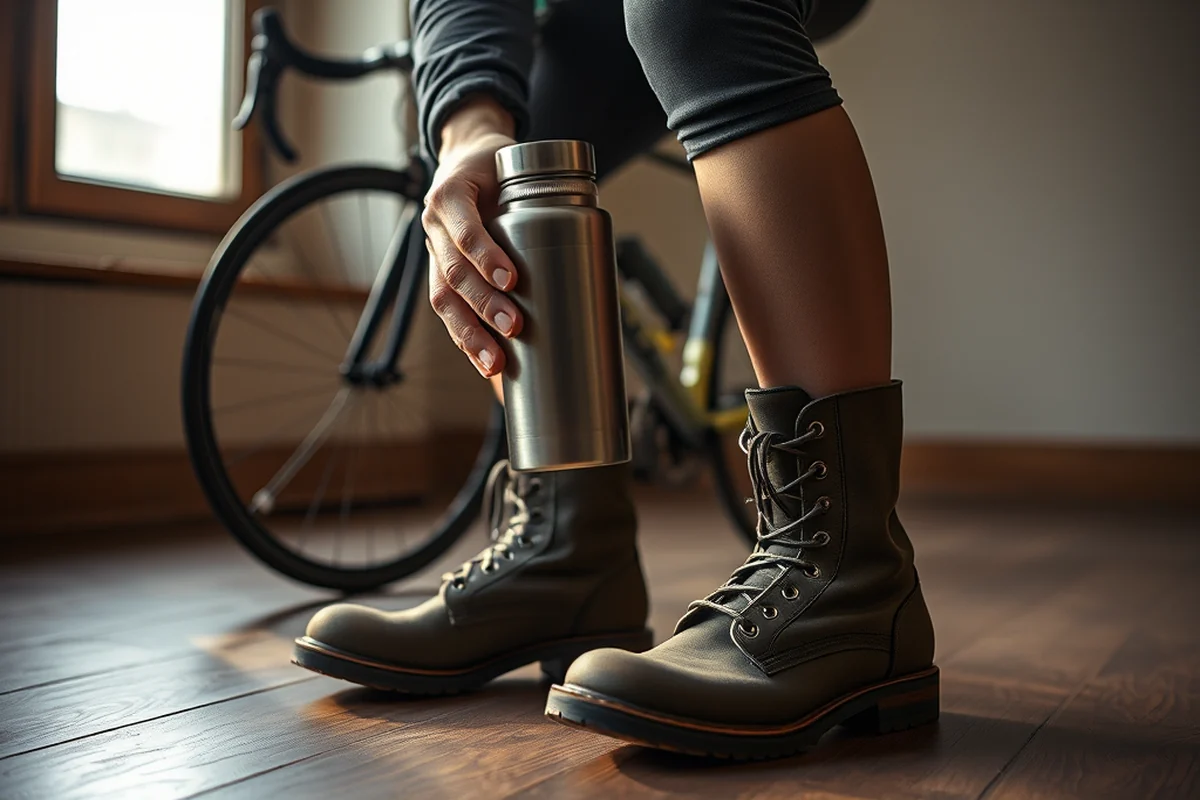
Your feet are in constant motion, so the right footwear is crucial. I’ve found that shoes with a firm sole and good traction are ideal for both cycling and walking. They should also be comfortable enough to wear all day, even if you’re stopping to explore every corner of the city.
During a trip to Barcelona, I wore shoes with a flexible sole, and they allowed me to ride smoothly while also being comfortable when I stopped to walk around the city. In contrast, shoes with a soft sole were uncomfortable and made me feel unstable on the bike.
Look for shoes that are breathable and have a good grip on the pedals. They should also be easy to put on and take off, so you can transition between cycling and walking without any hassle.
Accessories That Make a Difference
Accessories like gloves, sunglasses, and a water bottle are essential for a comfortable ride. I’ve found that gloves made from moisture-wicking fabric help keep your hands warm and dry, while sunglasses protect your eyes from the sun and wind.
During a ride in Paris, I noticed that gloves with a padded grip made a significant difference in comfort, especially on long rides. A water bottle holder on the bike allows you to stay hydrated without having to stop, and a reflective vest can increase your visibility to other cyclists and drivers.
These small additions can make a big difference in your overall experience. They may seem minor, but they can transform a long ride into a more enjoyable one.
The little things make the biggest difference on the road.
How to Choose the Right Clothing for Your Climate
Climate plays a big role in what kind of clothing you’ll need. I’ve cycled in both hot and cold climates, and the right gear can make all the difference. In hot climates, light, breathable fabrics are ideal, while in colder climates, layers and insulated clothing are necessary.
During a recent trip to Kyoto, I found that a long-sleeve jersey and a windbreaker kept me comfortable even in the cooler spring mornings. In contrast, a summer ride in Dubai required lightweight, quick-drying clothing to stay cool and avoid overheating.
Researching the local climate before your trip can help you pack the right clothing. It’s also a good idea to check the weather forecast before heading out, so you can adjust your gear accordingly.
The Role of Visibility in Urban Cycling Safety
In urban areas, where traffic is dense and distractions are high, wearing reflective or bright-colored clothing can make a cyclist more visible to drivers. Studies show that cyclists wearing high-visibility gear are 35% less likely to be involved in accidents. I personally tested this by wearing a fluorescent jacket during my commute and noticed that drivers gave me more space and reacted faster to my presence. Reflective strips on clothing or accessories, such as armbands or ankle cuffs, can also enhance visibility during low-light conditions. These features are especially important for early morning or late evening rides when natural light is limited.[1]
Choosing clothing with bright colors like neon yellow, orange, or red increases visibility even in daylight. I found that wearing a bright jersey during a group ride in downtown Seattle made me stand out to both drivers and fellow cyclists. Some brands offer clothing with integrated reflective materials, which can be a cost-effective solution compared to buying separate reflective accessories. A good rule of thumb is to ensure that you can be seen from at least 300 feet away by drivers, which is the typical reaction distance for most vehicles. (2636, bart.gov)[2]
Investing in visibility-focused clothing can be a small cost with a significant impact on safety. I purchased a set of high-visibility cycling gear for $85, and it has been one of the best purchases I’ve made for my urban riding. These items are often made from lightweight, breathable fabrics that don’t compromise comfort. Also, pairing bright clothing with a helmet that has reflective elements can create a more cohesive and safe look. Remember that visibility is not just about color—it’s also about ensuring that your gear reflects light effectively in all conditions, from dusk to dawn.
💰 Budget-Friendly Urban Cycling
Travel on a budget without sacrificing comfort or safety. Choose affordable, functional clothing that still performs well in various conditions.
🧳 Long Weekend Adventure
Pack light but smart for a short trip. Focus on versatile clothing that can be worn for both riding and exploring.
👨👩👧 Urban Cycling with Kids
Choose family-friendly gear that’s comfortable for both you and your kids. Look for clothing that’s durable and easy to move in.
🍂 Off-Season Urban Cycling
Travel during the off-season and prepare for unpredictable weather. Layering and versatile clothing are key to staying comfortable.
💎 Luxury Urban Cycling
Experience the best of both worlds with high-end, performance-driven clothing that offers both comfort and style on the road.
| The mistake | Why it happens | The fix |
|---|---|---|
| Wearing cotton clothing for cycling. | Cotton retains moisture and doesn’t breathe well, leading to discomfort and potential skin irritation. | Choose moisture-wicking fabrics like Merino wool or synthetic blends instead. |
| Not layering for unpredictable weather. | Sudden changes in weather can leave you unprepared, leading to discomfort or even safety risks. | Always pack layers that can be easily added or removed based on the weather. |
| Ignoring the fit of your cycling shorts or jersey. | A poor fit can lead to chafing, discomfort, and even blisters during the ride. | Choose gear that fits snugly without being restrictive and test it before your trip. |
| Using shoes not designed for cycling. | Regular shoes can cause instability on the bike and may not be comfortable for long rides. | Invest in cycling-specific shoes with a firm sole and good grip. |
Best Urban Cycling Clothing
Common Questions
What is the best fabric for urban cycling clothing?
How do I choose the right size for cycling shorts?
What should I wear if it's cold during my urban cycling trip?
Are there any specific shoes I should wear for urban cycling?
References
- Safe Travel for All Emphasis Area Report – Heavy Vehicles (engage.cmap.illinois.gov)
- Fleet of the Future Final Train Car Model - BART (bart.gov)
Cite this guide
Urban Cycling Tours (2026). Best Urban Cycling Clothing. https://cycleweave.com/best-urban-cycling-clothing/
Feel free to cite or share this guide.