
What Are Cycling Grand Tours
📖 Table of Contents
- What Exactly Are the Cycling Grand Tours?
- The Cultural and Historical Significance of These Tours
- The Physical and Mental Challenges of the Grand Tours
- How to Experience the Grand Tours as a Traveler
- The Economic and Social Impact of the Grand Tours
- The Environmental and Sustainability Efforts of the Grand Tours
- The Future of the Grand Tours
- Make It Your Way
- Frequently Asked Questions
Cycling through the Italian countryside in the early morning light, my tires whispering against gravel roads and my breath steady with the rhythm of the ride, I found myself thinking about the grandeur of the Cycling Grand Tours. These are not just races; they are odysseys through some of the most beautiful and historically rich landscapes on Earth. The term 'Cycling Grand Tours' might sound familiar, but the depth of what they represent often goes unnoticed by those who haven’t experienced them firsthand.
I remember the first time I watched the Giro d’Italia on television—how the riders carved through the Dolomites, their jerseys flashing like flags against the mountains. It was awe-inspiring, and I realized that these tours are more than just sporting events. They are immersive experiences that combine physical challenge with cultural exploration, and they are accessible to anyone with the will to pedal.
What are Cycling Grand Tours? They are the pinnacle of road cycling, encompassing some of the most iconic races in the world: the Giro d’Italia, the Tour de France, and the Vuelta a España. These events are not only about speed and endurance—they are about the journey, the landscapes, and the stories that unfold along the way. If you’ve ever wondered what it’s like to ride through the same routes that legends have conquered, these grand tours are your gateway.[1]
Why You'll Love This Journey
- Explore some of the most breathtaking landscapes on Earth.
- Immerse yourself in the rich history and culture of Europe’s most iconic regions.
- Experience the thrill of riding on the same routes as professional cyclists.
- Connect with fellow cycling enthusiasts from around the world.
What Exactly Are the Cycling Grand Tours?
As of August 2026, the Cycling Grand Tours—comprised of the Giro d’Italia, the Tour de France, and the Vuelta a España—are the pinnacle of professional road cycling. Each race spans multiple stages, covering thousands of kilometers across some of the most scenic and historically significant regions in Europe. These tours are not just about competition; they are also about exploration, endurance, and the pursuit of excellence.
The Giro d’Italia, for example, takes riders through the rolling hills of Tuscany, the dramatic alpine passes of the Dolomites, and the coastal roads of Sicily. The Tour de France, on the other hand, is the most famous of the three, with its iconic yellow jersey and the legendary climbs of the Alps and Pyrenees. The Vuelta a España, often described as the most scenic of the three, winds through the Andalusian countryside and the Pyrenees.
Each of these races has its own unique character and challenges. They all share a common thread: they are a celebration of the human spirit, the beauty of the landscapes, and the rich cultural heritage of the regions they traverse.
Before you embark on a Grand Tour, study the route map and understand the key stages. This helps you prepare physically and mentally for the challenges ahead.[2]
Part of our Budget cycling tours guide.
The Cultural and Historical Significance of These Tours
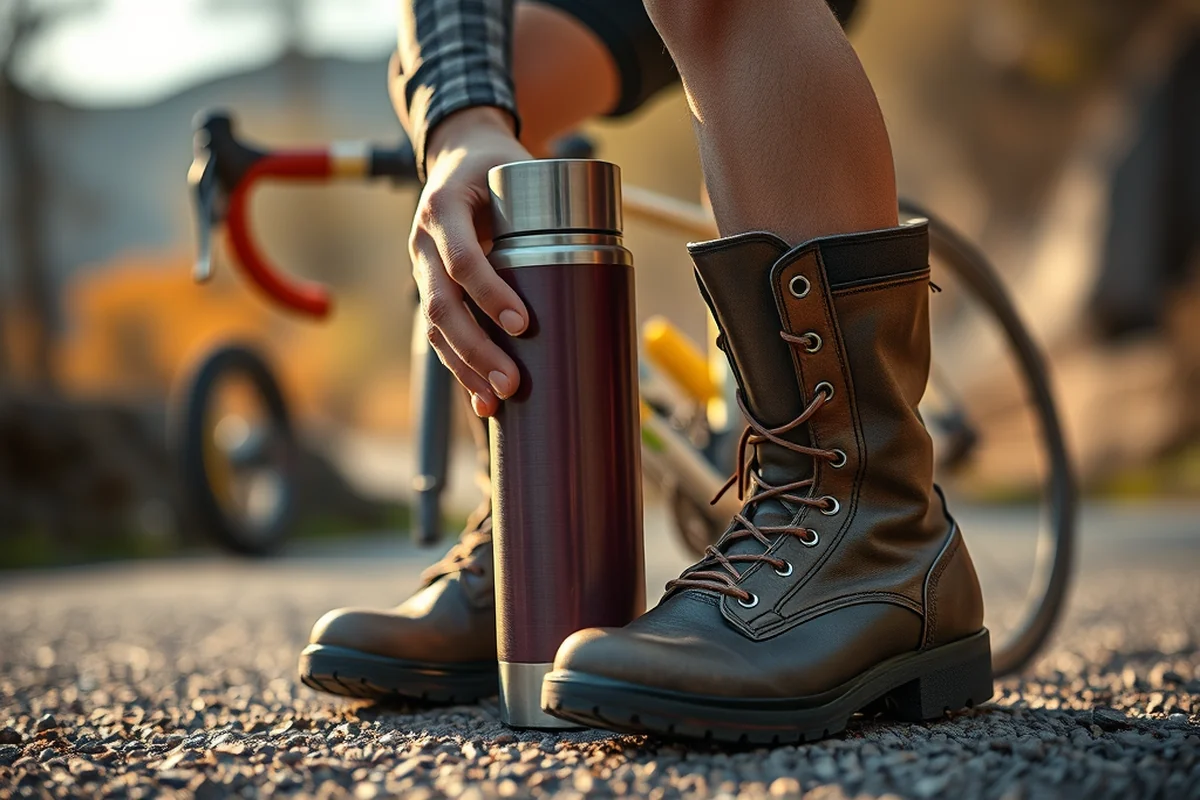
These tours are more than just a series of races—they are a living tapestry of European history and culture. Each stage is a chance to explore centuries-old villages, ancient castles, and world-famous landmarks. For instance, the Tour de France has passed through the medieval city of Avignon and the vineyards of Burgundy, while the Giro d’Italia has taken cyclists through the Renaissance art of Florence and the volcanic landscapes of Etna.
Local traditions and customs often play a role in the race, with towns lining the route to welcome the riders with parades, music, and food. These interactions add a rich cultural dimension to the experience, making the Grand Tours not just a sporting event but a celebration of the regions they visit.
For travelers, this means an opportunity to immerse themselves in the stories of the land, its people, and its history, all while riding through some of the most iconic locations in the world.
Every stage is a story waiting to be told.
Related: Urban rider bikes for sale
Related: Urban cycling championships
Related: What is urban cycling
Related: Urban cycling culture
Related: Safest cycling cities
Related: Cycling Tours For Seniors
The Physical and Mental Challenges of the Grand Tours
The physical challenges of the Grand Tours are legendary. Riders cover thousands of kilometers, often climbing some of the highest and steepest passes in Europe. The Tour de France, for example, includes the infamous Mont Ventoux, known as 'The Beast of Provence,' and the Col du Tourmalet in the Pyrenees.
Mentally, the races are equally demanding. The long hours in the saddle, the pressure of competition, and the need to maintain focus over multiple days can be exhausting. However, it is this combination of physical and mental endurance that makes the Grand Tours such a unique and rewarding experience.
For those who take part in these events, whether as riders or spectators, the challenges are a testament to human perseverance and the spirit of competition.
To prepare for a Grand Tour, focus on building endurance and strength through targeted training. Don’t forget to include mental preparation as well—mindfulness and visualization can help you stay focused during the race.
“Cycling through the Italian countryside in the early morning light, my tires whispering against gravel roads and my breath steady with the rhythm of the…”— Urban Cycling Tours editors
How to Experience the Grand Tours as a Traveler
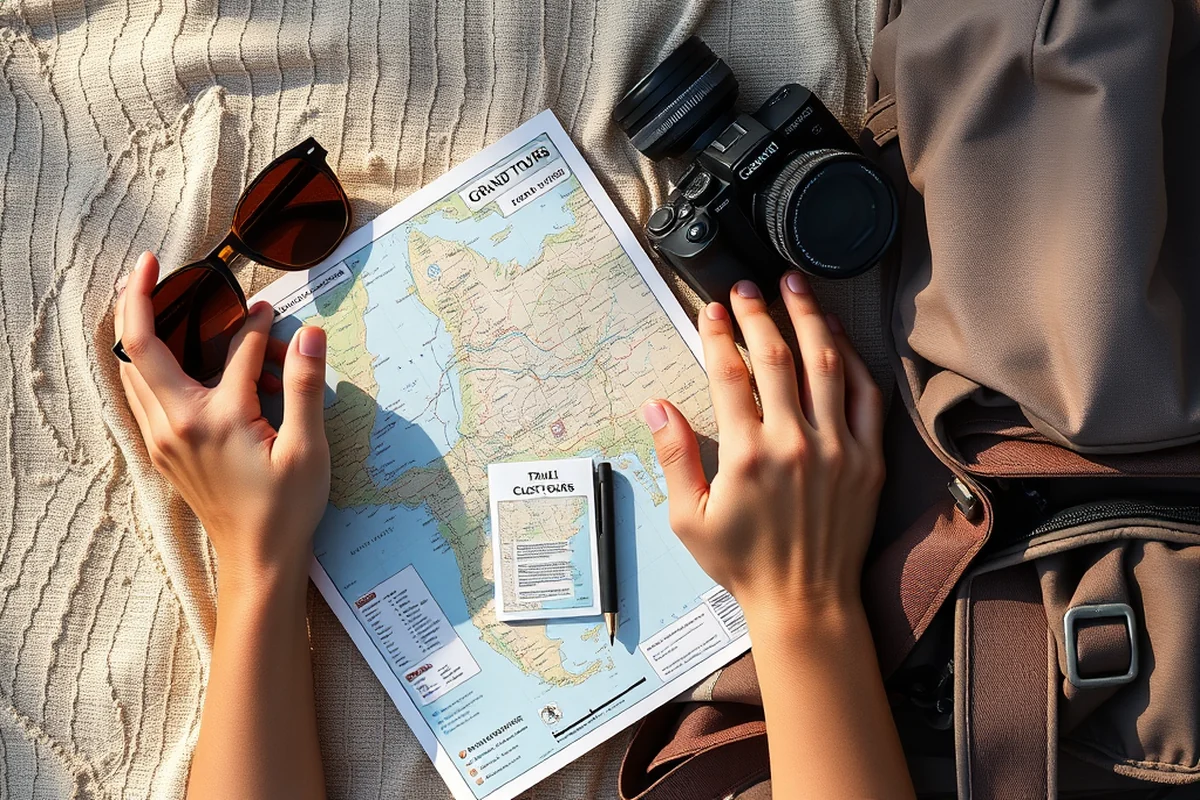
For those who are not professional cyclists, there are still many ways to experience the Grand Tours. You can follow the race routes on a personal journey, ride the same stages as the professionals, or attend the events and watch the riders from the sidelines.
Many cycling tour companies offer organized trips that follow the Grand Tour routes, providing a mix of adventure, culture, and comfort. These tours are designed to cater to cyclists of all skill levels, from beginners to experienced riders.
Whether you’re a spectator or an active participant, experiencing the Grand Tours is a once-in-a-lifetime opportunity to witness the passion and dedication of the world’s top cyclists.
The Economic and Social Impact of the Grand Tours
The Grand Tours are not only a celebration of cycling but also a major boost to the local economies of the regions they visit. Each year, the races attract millions of spectators, media, and fans, generating revenue for local businesses such as hotels, restaurants, and shops.
Also, the Grand Tours play a crucial role in promoting the regions they pass through on a global scale. They help to raise the profile of the local culture, history, and landscapes, attracting more visitors and investment.
The social impact is equally profound. The races bring people together, fostering a sense of community and pride among residents who live in the areas where the races take place. They also inspire a new generation of cyclists and athletes.
The Environmental and Sustainability Efforts of the Grand Tours
In recent years, the organizers of the Grand Tours have taken steps to make the events more environmentally friendly. This includes measures such as using electric vehicles for support services, reducing plastic waste, and promoting eco-friendly practices among riders and spectators.
Sustainability is now a key focus for the races, with organizers working closely with local communities to minimize the environmental impact of the events. For example, the Tour de France has implemented a number of green initiatives, including the use of biodegradable materials and energy-efficient technologies.
These efforts not only help to protect the natural beauty of the regions the races pass through but also set a positive example for future events and encourage sustainable travel practices.
Sustainability is the future of cycling.
The Future of the Grand Tours
The future of the Grand Tours is being shaped by advancements in technology, sustainability, and fan engagement. Organizers are using digital platforms to enhance the viewing experience for fans around the world, from live streaming to interactive apps that provide real-time updates.
Innovation is also playing a role in the way the races are conducted. For example, the use of GPS tracking and data analytics is helping to improve the safety and performance of the riders. At the same time, the races are becoming more inclusive, with initiatives aimed at promoting diversity and participation from all backgrounds.
As the Grand Tours continue to grow in popularity, their future will be defined by their ability to adapt, innovate, and remain true to the spirit of cycling.
💰 Budget-Friendly Grand Tour
Experience the Grand Tours on a budget with affordable accommodations and flexible itineraries.
📅 Long Weekend Grand Tour
Enjoy a condensed version of the Grand Tour in just three days, focusing on the most iconic stages.
👨👩👧👦 Family-Friendly Grand Tour
A version of the Grand Tour designed for families, with easy stages and kid-friendly accommodations.
🍂 Off-Season Grand Tour
Experience the Grand Tour during the off-season when the crowds are fewer and the costs are lower.
💎 Luxury Grand Tour
Travel in comfort and style with luxury accommodations, private guides, and premium amenities.
| The mistake | Why it happens | The fix |
|---|---|---|
| Not preparing for the weather | Weather conditions can change rapidly during a Grand Tour, and failing to prepare can lead to discomfort and even safety issues. | Check the weather forecast for the region and pack appropriate clothing and gear, including rain gear and extra layers. |
| Ignoring the physical demands | The Grand Tours are physically demanding, and underestimating the challenge can lead to exhaustion and injury. | Train in advance to build endurance and strength, and listen to your body to avoid overexertion. |
| Not researching the local culture | Failing to understand the local culture and customs can lead to misunderstandings or inappropriate behavior. | Take the time to learn about the local traditions and etiquette before your trip, and respect the customs of the regions you visit. |
| Choosing the wrong time of year | The best time to experience the Grand Tours is during the spring, when the weather is mild and the landscapes are at their most beautiful. | Plan your trip during the spring to ensure the best possible experience and avoid the extreme temperatures of the summer or the unpredictable weather of the winter. |
What Are Cycling Grand Tours
Common Questions
Are the Grand Tours only for professional cyclists?
How long do the Grand Tours last?
What is the best time of year to experience the Grand Tours?
Can I watch the Grand Tours as a spectator?
References
- Biking for Fun and Function - Grand Valley State University (gvsu.edu)
- MAUMELLE PINNACLES RECREATION MASTER PLAN (adpht.arkansas.gov)
Cite this guide
Urban Cycling Tours (2026). What Are Cycling Grand Tours. https://cycleweave.com/what-are-cycling-grand-tours/
Feel free to cite or share this guide.