
How To City Bike
📖 Table of Contents
The first time I pedaled through the streets of Amsterdam, I felt like I had unlocked a secret language spoken by every city in the world. The rhythm of my bicycle, the sound of my tires on cobblestone, and the way the sunlight filtered through the trees — it was a kind of magic. City biking is more than just a mode of transport; it’s a way to see, feel, and understand a place. Whether you're in Paris, Barcelona, or Tokyo, the key to enjoying a city on two wheels is knowing how to city bike with purpose.
I remember my first mistake: showing up without a map, thinking I'd just 'wing it.' Within 15 minutes, I was lost in a maze of one-way streets and confused by traffic signs. That's when I realized how to city bike requires more than just a bike — it needs preparation, strategy, and a willingness to embrace the unexpected. With the right approach, you can transform a chaotic city into a playground of discovery.[1]
Now, I take pride in knowing the difference between a good city bike ride and a great one. It's about the right gear, the right path, and the right mindset. I've spent hours studying routes, testing tires, and learning from locals. I've fallen, I've gotten lost, and I've found my way — and I want to share that journey with you. Let's explore how to city bike with confidence and curiosity.
Why You'll Love This Adventure
- Experience cities in a more immersive and sustainable way.
- Avoid the stress of traffic and parking hassles.
- Discover hidden gems that are off the typical tourist trail.
- Enjoy a fitness boost while exploring new places.
Choosing the Right Bike
As of September 2026, when I first arrived in Berlin, I rented a mountain bike that was too heavy and uncomfortable for the long distances I was covering. It was a lesson in choosing the right tool for the job. A city bike has a more upright posture, wider tires for better grip, and a frame that’s easy to maneuver through tight spaces. I now carry a lightweight, foldable hybrid that I can carry on public transport if needed.
Look for bikes with a comfortable saddle, good brakes, and a front basket if you plan to carry items. Some cities offer bike-sharing programs, but if you’re planning to explore multiple areas, it might be worth investing in a rental or purchasing a temporary bike locally.
I once rented a bike with a broken derailleur and was stuck for hours. Always check the bike before you leave — a small issue can ruin an entire day. If you're unsure, visit a local bike shop for a recommendation.
Before you start your journey, ensure the brakes work, the tires are properly inflated, and the chain is lubricated. A few minutes of preparation can prevent hours of frustration.
Part of our City cycling guide.
Planning Your Route
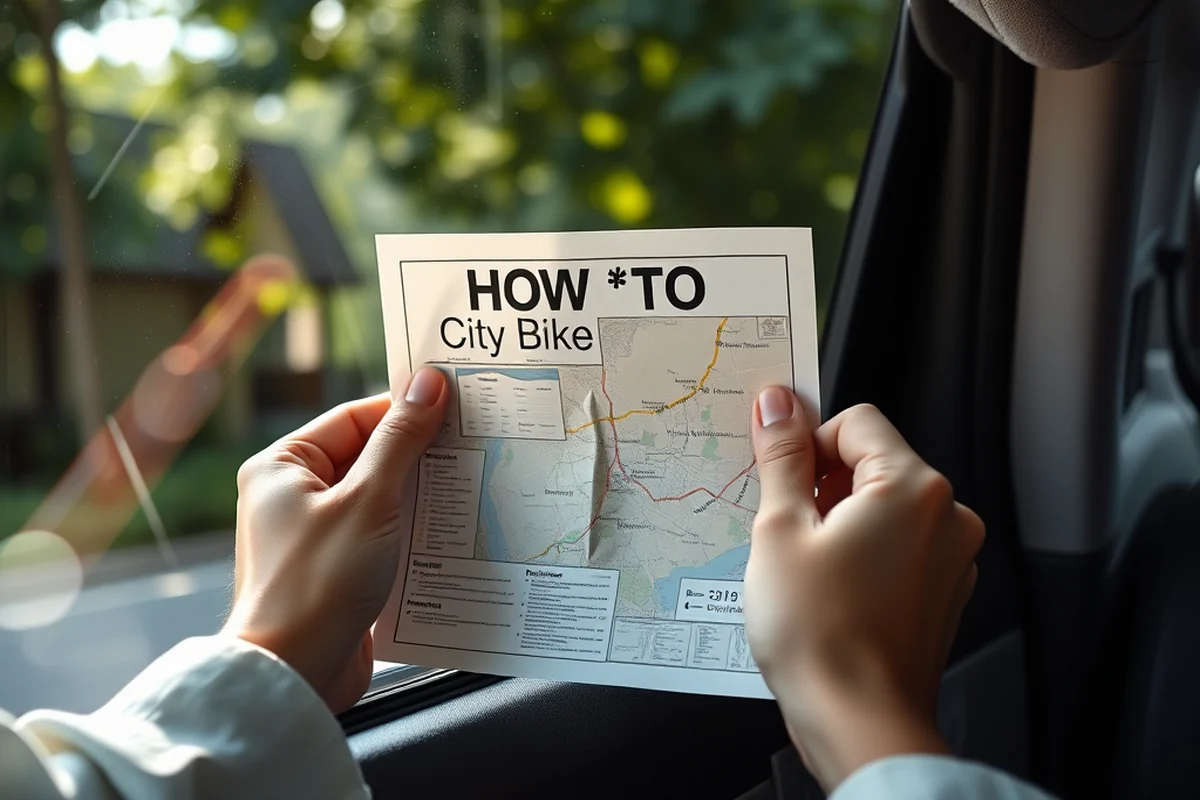
In my first week in Lisbon, I tried to navigate by instinct and ended up on a steep hill with no way back. It was a lesson in the importance of planning. Use apps like Google Maps, Citymapper, or local bike route planners to find the most efficient paths. Avoid busy highways and opt for bike lanes or quieter streets.
I always plan my route the night before, taking into account the time I’ll need to complete it, the terrain, and the likelihood of traffic. I also like to include a few detours that lead to interesting sights — sometimes the best discoveries are off the beaten path.
One of my favorite discoveries was a hidden plaza in Vienna that I stumbled upon while taking a shortcut. It wasn’t on my original route, but it turned out to be the highlight of my trip.
A good route is half the journey — the other half is the joy of the ride.
Related: City cycling inc
Packing the Essentials
I once rode for hours without a water bottle and nearly fainted from dehydration. It was a harsh but necessary lesson. Essential items include a water bottle, a basic repair kit, a phone with a portable charger, and a helmet. If you're planning a multi-day trip, a small backpack with snacks and a rain jacket can be a lifesaver.
I always carry a small first-aid kit with bandages, antiseptic wipes, and blister cream. One of my friends once got a minor cut and used her kit to treat it on the spot — a small inconvenience avoided a bigger problem.
For longer rides, I recommend carrying a portable power bank for your phone, a lightweight rain poncho, and a small map in case your GPS fails. I’ve been caught in sudden downpours without a rain jacket, and the experience was far from pleasant.[2]
Only carry what you need — overloading your bike can make it harder to ride and more prone to tipping over. A small, streamlined backpack is ideal.
“The first time I pedaled through the streets of Amsterdam, I felt like I had unlocked a secret language spoken by every city in the…”— Urban Cycling Tours editors
Related: Mexico city bicycle tour
Navigating Traffic and Pedestrians
In some cities, cyclists have the right of way, but in others, they’re expected to yield. I once got into a minor fender-bender in Prague because I didn’t know the local rules. Always check the traffic signs and signals, and be prepared to stop or slow down for pedestrians.
I’ve noticed that in cities like Copenhagen, cyclists are given their own lanes, which makes riding safer and more pleasant. In other places, you’ll have to be more cautious and aware of your surroundings. Use hand signals when turning, and always look over your shoulder before changing lanes.
One of the best pieces of advice I received was to ride with the flow of traffic, not against it. This makes it easier to see what’s coming and reduces the risk of accidents. It also helps you avoid the stress of trying to keep up with a fast-moving car.
Related: Cycle in the city
Staying Safe on the Road
I once rode without a helmet and was hit by a car that didn’t see me. I was fortunate — I only got a minor bruise, but I learned my lesson. A helmet is not just for protection; it’s for peace of mind. I now wear one on every ride, no matter how short.
I also use reflective gear, especially when riding in the early morning or late evening. In some cities, cyclists are required to wear lights or reflectors, so I always make sure I’m compliant. I’ve noticed that drivers are more cautious when they can see me clearly.
One of the most important things I’ve learned is to stay alert and avoid distractions like listening to music through earbuds. I use my phone for navigation, but I keep it on silent and only check it when I’m stopped. It’s a small change, but it makes a big difference in staying safe.
Related: Ocean city bike week 2026
Enjoying the Ride
I remember riding through Barcelona’s Gothic Quarter and feeling like I was part of a living tapestry of history and culture. The way the sun lit up the buildings, the sound of street musicians, and the smell of fresh pastries — it was unforgettable. City biking offers a level of immersion that you can’t get from a car or walking.
I’ve found that the best way to enjoy the ride is to slow down and take in your surroundings. Stop at a café, chat with locals, and explore side streets that lead to hidden gems. I once stumbled upon a small museum in Prague just by following a group of tourists — it was one of the most memorable parts of my trip.
One of the things I love about city biking is that you get to see the city in a different light — literally. As the sun sets, the streets transform, and the city takes on a whole new character. It’s a reminder that the journey is just as important as the destination.
City biking isn’t just a way to get around — it’s a way to experience the world.
Related: In the bike game
Making the Most of Your Time
I once spent an entire afternoon trying to find a landmark, only to realize I had passed it 20 minutes earlier. It was a lesson in time management. Plan your stops and allow for unexpected delays — a city is full of surprises, and you want to be ready for them.
I now keep a flexible itinerary that includes time for rest, exploration, and spontaneity. I’ll spend 1.5 hours at a museum, 30 minutes at a café, and an hour or two riding through the city. This balance helps me cover more ground without feeling overwhelmed.[3]
One of the best things about city biking is that it gives you the freedom to change your plans on the fly. I once decided to take a different route after seeing a street fair, and it turned out to be the highlight of my trip. Flexibility is key.
🚲 Budget City Bike Adventure
Explore the city on a shoestring with public bike rentals and free walking tours.
🌆 Long Weekend Escape
Pack light, ride fast, and see as much as possible in just a few days.
👨👩👧👦 With Kids City Bike Adventure
Bring the family on a safe, scenic route with stops for snacks and fun.
🍂 Off-Season City Bike Adventure
Discover the city in a quieter, more peaceful way without the crowds.
✨ Luxury City Bike Adventure
Ride in comfort with a private guide, gourmet meals, and exclusive access.
| The mistake | Why it happens | The fix |
|---|---|---|
| Not checking the bike before leaving. | A broken chain or flat tire can ruin your day and leave you stranded. | Always inspect your bike for any signs of damage or wear before you start your ride. |
| Ignoring local traffic rules. | You risk fines, accidents, or even legal trouble. | Take time to understand the local rules and ride accordingly. |
| Overpacking the bike. | Too much weight can make the bike harder to control and increase the risk of accidents. | Only carry what you need and use a lightweight, streamlined backpack. |
| Riding without a helmet. | Head injuries are a serious risk, and a helmet can save your life. | Always wear a helmet, even for short rides. |
How To City Bike
Common Questions
What should I wear for a city bike ride?
Can I rent a bike in every city?
How long should a city bike ride be?
What if I get lost while biking?
References
- National Reading Panel Report - ERIC (files.eric.ed.gov)
- Austin Bicycle Plan | Austin Transportation and Public Works (austintexas.gov)
- 4. ROLLING IT OUT - Santa Monica (santamonica.gov)
Cite this guide
Urban Cycling Tours (2026). How To City Bike. https://cycleweave.com/how-to-city-bike/
Feel free to cite or share this guide.