
What Is Bike Touring
📖 Table of Contents
I remember the first time I rode a bike across a foreign city, the sun low in the sky, the wind in my ears. The scent of bread from a roadside bakery mingling with the exhaust of a passing bus. It was in Prague, and I didn’t have a map, just a sense of direction and a helmet. That was my first bike tour — not the organized kind, but the kind that still leaves a mark on your soul. Bike touring is more than just riding; it's about discovery, rhythm, and the slow, deliberate way of seeing the world.
What is bike touring? It’s a way of travel that’s both physical and emotional — a blend of adventure and introspection. I've done multi-day trips through the rolling hills of Tuscany, where each morning began with a stiff climb and ended with a view of olive groves stretching to the horizon. It’s about the unexpected moments: the local who offers you a glass of wine, the shortcut through a hidden alley that leads to a forgotten square. The way the sun sets behind a cathedral you've never seen before.
There’s a certain kind of freedom that comes with bike touring — the freedom to move at your own pace, to stop when you want, and to feel the world in your hands. I’ve found that the best trips are the ones where you don’t know where you’re going, but somehow, you end up exactly where you need to be. That’s the magic of bike touring — it’s not about the destination, it’s about the journey.
Why You'll Love This Adventure
- Experience places in a way that feels personal and immersive, not rushed or commercialized.
- Enjoy a unique form of fitness that’s low-impact but high-reward, both physically and mentally.
- Build meaningful connections with local people and cultures that you wouldn’t get on a bus or train.
- Save money on transportation costs and immerse yourself in the rhythm of a place.
What Is Bike Touring, Exactly?
As of September 2026, Bike touring is about moving through a place with your own two wheels. It’s not about speed, but about the rhythm of the journey — the way the road feels beneath your tires, the way the wind changes as you move from valley to hill. I've done tours through the Dolomites, the Swiss Alps, and the rugged coastlines of Portugal, and each time, the experience was different but equally transformative.
The key to bike touring is flexibility. Unlike a train ride or a bus tour, you’re not confined to a schedule. You can stop when you want, take a detour for a scenic view, or even sleep in a field if the weather is right. This level of autonomy is one of the most appealing aspects of the experience. You’re not just a tourist — you’re a participant in the landscape.
Bike touring also requires a certain level of preparation. You need a reliable bike, a good set of tires, a tent or a place to stay, and a mindset that embraces the unknown. I’ve learned that the best bike tours are the ones where you’re not sure where you’re going, but you trust the journey will take you somewhere meaningful.
If you're touring on rough roads or trails, invest in a mountain bike with wide tires and a sturdy frame. For paved roads, a touring bike with drop handlebars and multiple gears is better for long-distance riding.
Part of our Bike tour guide.
What Makes Bike Touring Unique?
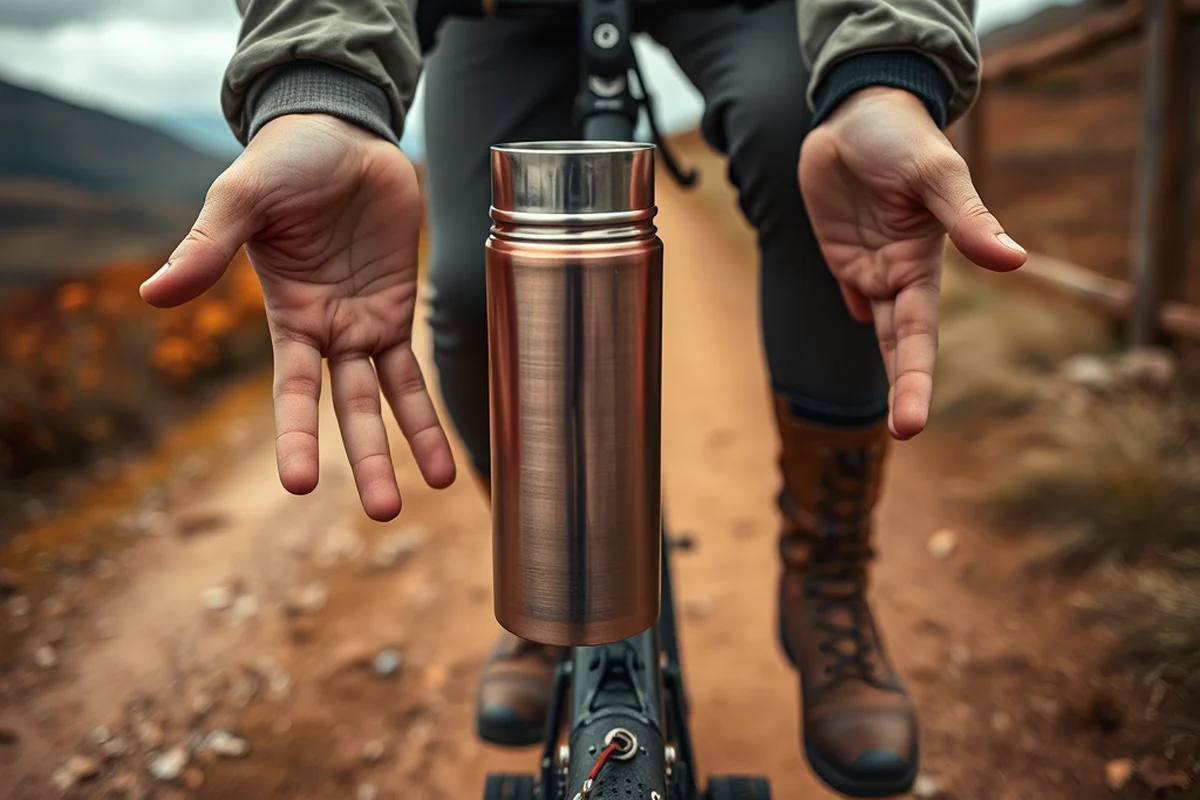
One of the most unique things about bike touring is the way it forces you to slow down and notice details you might otherwise overlook. I’ve found that when you’re on a bike, you see the world differently — the way the sunlight bounces off the water, the sounds of a marketplace, the texture of a cobblestone road beneath your tires.
It’s also a deeply physical experience. There’s a certain kind of exhaustion that comes with bike touring, but it’s different from other forms of travel. It’s not just about legs and lungs — it’s about the whole body, the mind, and the spirit. I’ve found that after a long ride, I feel more connected to the place I’m in than I ever have on a plane or in a hotel room.
Another thing that makes bike touring unique is the sense of community it builds. Whether you're riding with a group or on your own, you’ll meet other travelers, locals, and fellow cyclists who share the same passion for the road. These connections often lead to unforgettable moments and lasting friendships.
On the road, the only thing that matters is the rhythm of the wheel and the wind in your ears.
Related: Trafalgar tours 2026
The Benefits of Bike Touring
Bike touring is one of the most effective ways to stay physically active while traveling. I’ve found that the long rides, the climbs, and the descents all contribute to a deep sense of fitness that you can’t get from a gym or even a hike. Plus, it’s a form of exercise that’s low-impact but high-reward — you’re burning calories, building endurance, and getting stronger with every mile.
Bike touring also provides a deep sense of mental clarity. When you’re on the road, there’s no noise, no distractions — just the sound of your own breath and the rhythm of your pedaling. I’ve found that this kind of solitude is incredibly restorative, and it’s often the best way to clear my head and find inspiration.
Finally, bike touring is a unique way to experience a place culturally. You’re not just seeing a city from a tour bus — you’re moving through it, interacting with its people, and immersing yourself in its rhythm. I’ve met locals who welcomed me into their homes, shared meals with me, and showed me the hidden parts of their town. These are the kinds of experiences that make bike touring so special.
When touring by bike, the weight you carry matters. I recommend keeping a backpack under 20kg (44 lbs) with essentials like a sleeping bag, a lightweight tent, and a small kitchen setup. This helps conserve energy and makes the ride more enjoyable.[1]
“I remember the first time I rode a bike across a foreign city, the sun low in the sky, the wind in my ears, and…”— Urban Cycling Tours editors
Related: Collette tours 2026
What You Need to Start Bike Touring
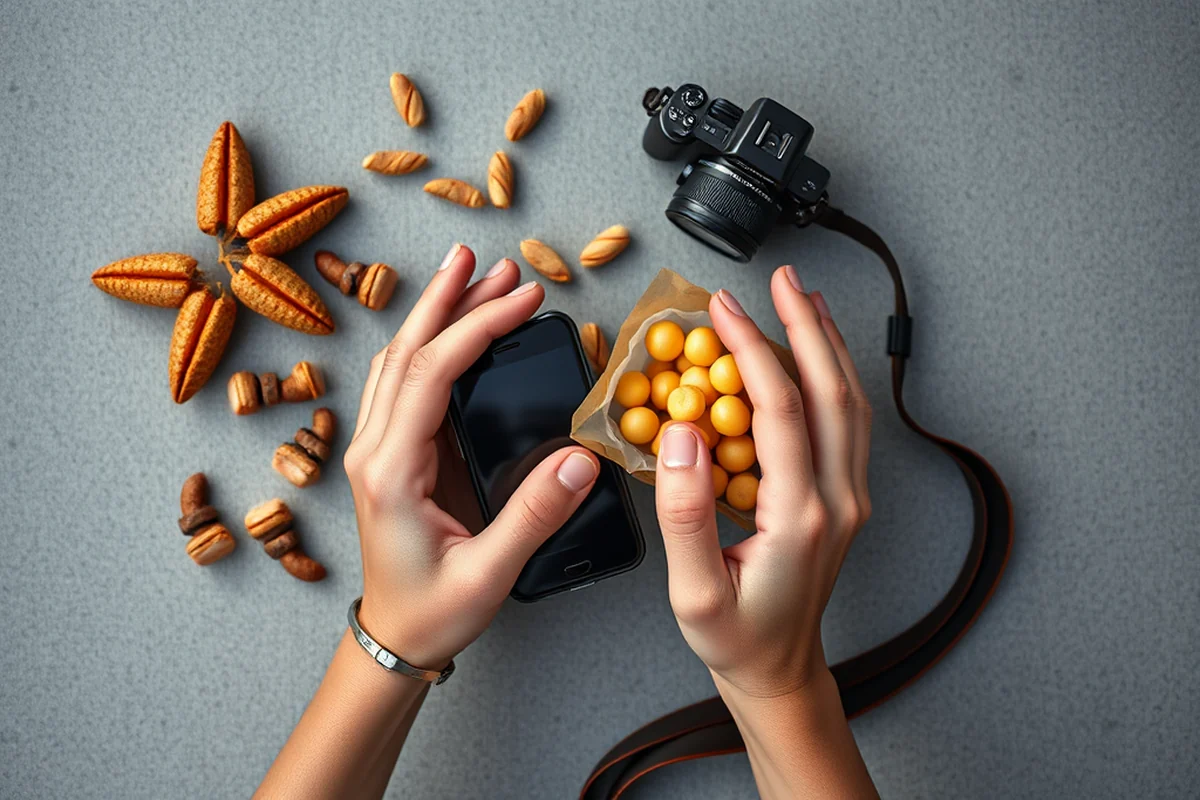
The first thing you need is a good bike. I recommend a touring or hybrid bike with multiple gears, a sturdy frame, and wide tires that can handle different terrains. If you’re starting out, you can rent a bike in many cities — but if you're going on a long trip, it’s worth investing in one that fits your needs.[2]
Next, you’ll need a few essential pieces of gear: a helmet, a backpack, a tent or a place to stay, and a set of maps or a GPS device. I’ve also found that a lightweight sleeping bag, a compact stove, and a first-aid kit are invaluable on the road. These items help you stay safe, comfortable, and prepared for any situation.
Finally, you need a mindset that embraces the unknown. Bike touring is not for the faint of heart — it requires planning, patience, and a willingness to adapt. I’ve learned that the best bike tours are the ones where you’re open to the journey, even if the road is not clear.
Related: What is trek bicycle
Where to Go for Bike Touring
Europe is one of the most popular destinations for bike touring. Countries like France, Italy, and the Netherlands offer well-marked bike paths, scenic countryside, and a strong cycling culture. I’ve done tours through the vineyards of Provence, the coastal trails of Spain, and the rolling hills of Tuscany — each with its own unique beauty and sense of rhythm.
In Asia, countries like Japan and Vietnam have become increasingly popular for bike touring. Japan, in particular, has a well-developed network of cycling routes that take you through temples, rice paddies, and mountain passes. Vietnam is another great option — the coastal roads of Hanoi and the mountain trails of the northern regions make for a challenging but rewarding ride.
In the Americas, the US and Canada offer a wide range of bike touring opportunities, from the mountain trails of Colorado to the coastal roads of California. South America is also becoming a popular destination — countries like Chile and Peru have beautiful landscapes that are perfect for long-distance cycling.
Related: Trek bikes website
The Best Time of Year for Bike Touring
Spring is one of the most popular times for bike touring because the weather is generally mild, the landscapes are at their most vibrant, and the roads are often less crowded. I’ve found that in many parts of Europe, spring is the perfect time to ride through the countryside — the fields are green, the flowers are blooming. The air is filled with the scent of fresh earth.
In other parts of the world, like Japan and Southeast Asia, the best time for bike touring is during the dry season. I’ve done tours in Thailand and Vietnam during the dry months and found that the roads were much more pleasant to ride on, with fewer rain delays and more opportunities to explore.
Of course, there are also times of year when the weather is less ideal for cycling — like winter in Europe or the rainy season in Africa. If you're planning a trip, it’s always a good idea to research the best times to visit your destination and plan accordingly.
Spring is the season of rebirth — the perfect time to ride and rediscover the world.
Related: Mobcop tour of duty
How to Plan a Bike Tour
The first step in planning a bike tour is to choose your destination and map out your route. I recommend using online tools like OpenStreetMap or Google Maps to plan your route and identify key points of interest. It’s also a good idea to research the terrain, weather, and road conditions in advance.
Next, you’ll need to gather the necessary gear and supplies. This includes a reliable bike, a backpack, a tent or a place to stay, and essential items like food, water, and a first-aid kit. I’ve found that packing light is key — the less you carry, the easier the ride.
Finally, you’ll need to be flexible and open to changes. Bike touring is an unpredictable experience, and sometimes the best moments come from the unexpected. I’ve learned that the best tours are the ones where you’re willing to adapt to the journey, no matter where it takes you.
💰 Budget Bike Tour
Travel on a shoestring with a low-cost bike and minimal equipment, focusing on free or cheap accommodations and local food.
📅 Long Weekend Tour
A short, immersive trip that fits into a busy schedule, perfect for exploring a nearby region over a few days.
👨👩👧👦 With Kids Bike Tour
A family-friendly adventure with routes and accommodations that cater to children, making it a fun and educational experience.
⛄ Off-Season Bike Tour
Explore popular destinations during the shoulder season — when crowds are low, prices are lower, and the scenery is just as breathtaking.
🌟 Luxury Bike Tour
An upscale experience with guided tours, top-of-the-line bikes, and high-end accommodations that make the journey comfortable and unforgettable.
| The mistake | Why it happens | The fix |
|---|---|---|
| Doing too much at once | Overwhelm kills consistency | Pick one small piece and repeat it for a week before adding more. |
| Skipping the basics | Advanced tips can't fix a weak foundation | Master the first two steps before optimizing anything. |
What Is Bike Touring
Common Questions
Is bike touring safe for beginners?
How long should a bike tour be?
What should I eat while on a bike tour?
Do I need a special bike for touring?
References
- Motorcycle Operator manual (text-only) | Washington State ... (dol.wa.gov)
- What do cycling and rocks have to do with each other? - @theU (attheu.utah.edu)
Cite this guide
Urban Cycling Tours (2026). What Is Bike Touring. https://cycleweave.com/what-is-bike-touring/
Feel free to cite or share this guide.