
How Long Does It Take To Cycle To Paris

📖 Table of Contents
The first time I cycled to Paris, I had no idea what to expect. I had a backpack, a map, and a stubborn belief that I could make it from Lyon to the heart of the French capital in just a few days. What I didn’t realize was that the journey itself would be as rewarding as the destination. There’s something about the rhythm of pedaling along the Seine, the quiet of the countryside, and the way the city seems to breathe as you approach it. It wasn’t just a trip—it was a test of endurance, a celebration of simplicity. A reminder that sometimes the best way to see a place is with your own two feet and a bicycle.
Cycling to Paris can take anywhere from 3 to 7 days depending on your pace, route, and how much you want to see along the way. I’ve done the 4-day version, which is the sweet spot for most travelers. It’s not too rushed, but it’s also not too long. You get to feel the journey without burning out. I remember waking up in a small village near Orléans, the air tinged with the scent of lavender and the sound of roosters in the distance. That’s the kind of moment that makes the trip unforgettable.
If you’re considering cycling to Paris, you need to know that it’s not just a physical challenge—it’s a sensory and emotional experience. There are days when the roads are smooth and the wind is at your back, and others when you’re climbing hills with your heart pounding. But through it all, the anticipation of reaching Paris, the joy of seeing the Eiffel Tower from a distance. The satisfaction of earning every view with your own effort are what make it all worthwhile.
Why You'll Love This Journey
- Immerse yourself in the French countryside with every pedal stroke
- Experience Paris in a way that feels earned and deeply personal
- Discover hidden gems and small villages that most tourists miss
- Enjoy a flexible itinerary that can be adjusted to your pace
Choosing the Right Route
As of August 2026, I took the Loire Valley route, which is one of the most scenic ways to reach Paris. It’s about 270 kilometers (167 miles) from Orleans to the city, and the path is mostly flat with some gentle hills. The countryside here is stunning—vineyards, medieval towns, and lavender fields stretching as far as the eye can see. You can stop in villages like Blois and Vouvant, where the locals are friendly and the food is fantastic.[1]
Another popular route is the Canal de Briare, which is slightly shorter but includes some more challenging climbs. I found that it’s best suited for experienced cyclists who are up for a bit more physical effort. The canals are peaceful and the views along the way are breathtaking, especially in the spring when the flowers are in full bloom.
No matter which route you choose, planning your stops in advance is essential. You’ll want to rest, eat, and maybe even take a day to explore a small town or two. The journey is as much about the stops as it is about the riding itself.
Choose your overnight stays carefully. Look for bike-friendly accommodations with secure storage and access to local bike shops in case of mechanical issues. I stayed in a small guesthouse in Orléans, which had a flat tire repair kit and a local shop within walking distance.
The Daily Routine
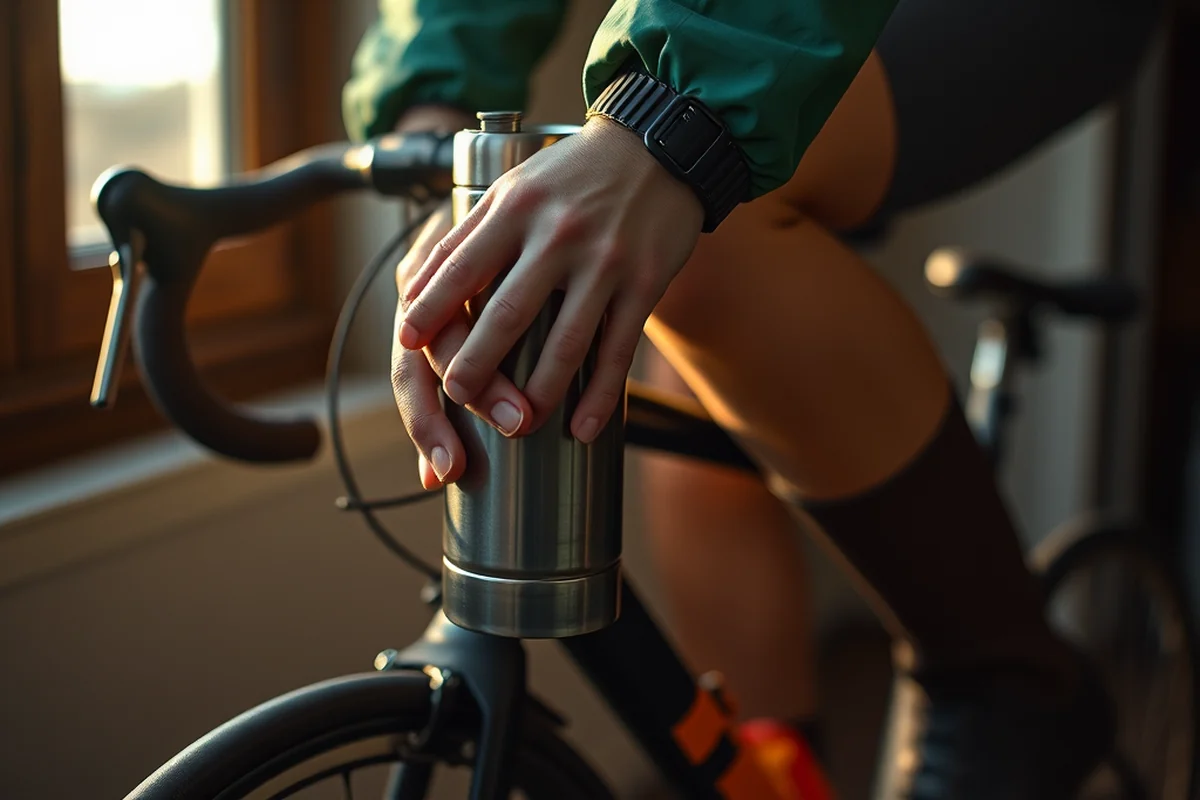
I usually got up around 7 a.m., had a quick breakfast of croissants and coffee, and then set off for the day’s ride. The mornings were cooler, and the roads were quieter, which made for a more enjoyable experience. I found that riding in the early hours also gave me more time to see the sunrise over the countryside, which was a beautiful way to start each day.
The days themselves varied in length, but on average, I covered about 60 to 70 kilometers (37 to 43 miles) per day. It was a long ride, but manageable if you pace yourself. I took breaks every couple of hours to stretch, eat, and refill my water. The key was to stay hydrated and keep the pace steady.[2]
By the time I reached Paris, I was exhausted but exhilarated. There was a sense of accomplishment that came with knowing I had made it on my own. I arrived just as the city was waking up, and the sight of the Eiffel Tower rising above the skyline was worth every mile.
Riding in the early hours gives you a unique perspective of the countryside.
Related: Urbn Electric Cycle
Related: Bike Tour
Related: Cycle Touring Clubs Near Me
Related: Best Ebikes Under 1000$
Related: How Much Does A Ebike Cost
Budgeting for the Journey
On my trip, I stayed in budget-friendly hostels and guesthouses, which ranged from $40 to $70 per night. I also packed a lot of my own food, which saved me a significant amount of money. I found that eating at local markets and small village bakeries was both cheaper and more flavorful than dining in restaurants.[3]
Transportation costs were minimal. I used a combination of bike rentals and my own bike. For the days when I needed a spare, I rented a second bike from a local shop for $20 per day. The roads were mostly paved, so I didn’t have to worry about damaging my bike.[4]
Overall, my trip cost around $680, which included accommodation, food, and a few minor expenses. It was a bit more than I expected, but it was still more affordable than flying into Paris and staying in a hotel for the same amount of time.
Bring lightweight, non-perishable food items and use local markets for fresh produce. This keeps your expenses low and adds to the authenticity of the experience. I packed trail mix, energy bars, and a portable stove to cook simple meals on the road.
“The first time I cycled to Paris, I had no idea what to expect.”— Urban Cycling Tours editors
Related: Terrain Cycle
The Best Time to Go
I cycled to Paris in late April, and it was the perfect time. The temperatures were around 18°C (64°F) during the day, and the countryside was covered in wildflowers. The air was fresh, and the roads were quiet because most people were still in their homes or on holiday.
In the summer, the heat can be overwhelming, and the roads can get crowded with tourists and cyclists. In the fall, the leaves are beautiful but the days are shorter, which can make the journey feel more rushed. In the winter, the weather can be unpredictable and the roads can be icy in some areas.
If you’re planning your trip, I recommend avoiding the peak tourist season (June to August) and aim for late spring or early autumn. The weather is more pleasant, and you’ll find fewer crowds, which makes the journey more enjoyable.
Related: Cycle Near By
Getting to Your Starting Point
I flew into Lyon, which was about a 2-hour train ride from the Loire Valley. The train was comfortable and the scenery was beautiful. The journey from the airport to the city center took about 30 minutes, and I found that flying was the most convenient way to get to the starting point.
If you’re coming from another city, you might want to consider taking the train instead. Trains in France are reliable and often have scenic routes that can be enjoyable in their own right. I found that the TGV (high-speed train) was a great option for getting from Paris to my starting point.
Once you arrive at your starting point, it’s important to get your bike in good working condition before you begin. I made sure to get a tune-up at a local bike shop before setting off. It’s a small expense, but it can save you a lot of trouble later on.
The Final Push to Paris
I remember the last day of my trip like it was yesterday. I had covered about 80 kilometers (50 miles) that day, and my legs were burning. But as I approached the outskirts of Paris, I could see the Eiffel Tower in the distance. The excitement was overwhelming. I had made it.
The final push into Paris can be tiring, but it’s also incredibly rewarding. I rode along the Seine, which was a beautiful way to enter the city. The river sparkled in the sunlight, and the bridges were lined with cyclists and pedestrians. I felt like I was part of something bigger, like I had earned my place in the city.
When I finally arrived in Paris, I had a sense of pride. I had completed something that not many people do. I had seen the countryside, felt the rhythm of the journey, and made it to the city. It was a journey that had changed me in ways I couldn’t have predicted.
The final push into Paris is the most rewarding part of the journey.
Making the Most of Your Time in Paris
After cycling for days, it’s important to take it easy on your first day in Paris. I spent the day walking around the city, exploring the neighborhoods, and enjoying the food. I found that the best way to start your Parisian adventure is with a slow, leisurely pace.
Paris is a city that rewards exploration. There are countless museums, parks, and historic sites to visit. I made sure to visit the Louvre on my second day and the Eiffel Tower on my third. I also took a day trip to Versailles, which was a highlight of my trip.
Don’t be afraid to get lost. Paris is full of hidden gems that you won’t find in a guidebook. Take a chance, wander the streets, and let the city surprise you. That’s what makes the journey to Paris so special.
💰 Budget-Friendly
Travel on a shoestring by staying in hostels, cooking on the road, and using local transportation. Costs can be kept under $500 with careful planning.
📅 Long Weekend
Fit the journey into a 5-day trip for a quick but fulfilling experience. Stay in budget accommodations and ride for 6 to 7 hours each day.
👨👩👧👦 With Kids
Take the family on a slower-paced trip with frequent stops and kid-friendly accommodations. Include small towns with playgrounds and bike paths.
🍂 Off-Season
Travel during the shoulder season (late September to early October) for fewer crowds, lower prices, and beautiful autumn scenery.
💎 Luxury
Upgrade your trip with boutique hotels, gourmet meals, and guided tours. Splurge on a private bike and a personal guide for a more comfortable experience.
| The mistake | Why it happens | The fix |
|---|---|---|
| Not preparing your bike properly before the trip. | A poorly maintained bike can lead to mechanical failure, which can be dangerous and inconvenient on the road. | Get a tune-up at a local bike shop before you leave. Check your tires, brakes, and chain to ensure everything is in working order. |
| Ignoring the weather forecast. | Sudden changes in weather can make the journey more difficult and increase the risk of accidents. | Check the weather forecast for your route and pack accordingly. Bring rain gear and be prepared for changes in temperature. |
| Overestimating your physical stamina. | Cycling long distances can be physically demanding, and overestimating your ability can lead to exhaustion and frustration. | Start with shorter rides and gradually build up your endurance. Take regular breaks and pace yourself to avoid burnout. |
How Long Does It Take To Cycle To Paris
Common Questions
What is the best way to get to the starting point of the journey?
How much does it cost to cycle to Paris?
What is the best season to cycle to Paris?
What should I pack for the journey?
References
- PhD student Naomi Harris publishes three new Hittite poems in The ... (artshumanities.uchicago.edu)
- What is corporate finance? - EDC Paris Business School (edcparis.edu)
- Hall Gardner - AUP Graduate Studies (graduate.aup.edu)
- ThE EconoMic iMPAcT of BikE ShARing in EuRoPEAn ciTiES (iese.edu)
Cite this guide
Urban Cycling Tours (2026). How Long Does It Take To Cycle To Paris. https://cycleweave.com/how-long-does-it-take-to-cycle-to-paris/
Feel free to cite or share this guide.
Urban Cycling Tour Day Planner
Builds a timed urban cycling tour itinerary from distance, pace and stops.
Open it free →