
What Is Touring Bikes

📖 Table of Contents
- What Makes a Touring Bike Unique
- The Benefits of Touring Bikes for Travelers
- How to Prepare for a Touring Bike Trip
- Choosing the Right Touring Bike for Your Needs
- The Best Times to Ride a Touring Bike
- The Challenges of Touring by Bike
- The Long-Term Benefits of Touring by Bike
- Make It Your Way
- Frequently Asked Questions
The first time I rode a touring bike across a mountain pass, the wind was so sharp it bit through my jacket, and the road beneath me was a tapestry of gravel and stone. That moment — a mix of exhaustion, awe, and the sheer joy of movement — is what touring bikes are all about. They’re not just vehicles; they're tools for exploration, built to carry you across landscapes that demand more than a quick day trip. Touring bikes are the kind of bikes that let you feel every mile, every turn, every uphill climb as a part of a greater journey.[1]
Touring bikes are designed for long-distance travel, whether you're cycling from one city to another or embarking on a multi-week adventure through rural trails. They're built to handle heavy loads, rough terrain, and the wear and tear of the open road. I remember one trip where my touring bike carried a full week's worth of gear, including a sleeping bag, food, and even a small tent — all while I was pedaling for hours each day. That’s the real magic of touring bikes: they make the impossible feel possible.
If you've ever dreamed of traveling the world without the constraints of a car or a plane, a touring bike might just be the answer you're looking for. They're not just for seasoned cyclists; they're for anyone who wants to experience the world in a way that's slow, deliberate, and deeply connected to the land. I’ve met people of all ages on the road — from retirees seeking a new adventure to college students taking a gap year — and they all had one thing in common: they were riding on touring bikes.
Why You'll Love This Adventure
- Experience the world at your own pace, with no rush or schedule.
- Discover hidden gems and remote locations that are inaccessible by car.
- Enjoy a unique form of travel that is both physically and mentally rewarding.
- Create lasting memories that are only possible on the road.
What Makes a Touring Bike Unique
As of November 2026, Touring bikes are distinct from other types of bicycles because they are specifically engineered for long-distance travel. They typically have a more upright riding position, which reduces fatigue over long hours of riding. The frames are made of durable materials like steel or aluminum, and they often have reinforced joints to handle the stress of carrying heavy gear. I’ve had my touring bike for over five years, and it still feels as strong and responsive as the day I bought it.
One of the most important features of a touring bike is its tire size. Unlike road bikes, which have narrow, high-pressure tires, touring bikes have wider tires that provide better grip and comfort on varied terrain. I remember the first time I used my touring bike on a gravel path — the stability and smoothness were unlike anything I’d experienced before. It made all the difference in terms of comfort and control.
Touring bikes also have a higher number of gears to accommodate the variety of terrains you might encounter on a long trip. Whether you're climbing a steep mountain pass or cruising along a flat coastal road, the right gear ratio can make all the difference. I’ve found that having a 30-speed drivetrain is absolutely essential for handling the range of elevation changes I encounter on my trips.
Selecting the right tires is crucial for a successful touring trip. If you're riding on mostly paved roads, a narrower tire with a higher pressure might be sufficient. However, if you're planning to tackle gravel, dirt, or even some off-road trails, a wider tire with lower pressure is essential. I always carry a spare tire and a patch kit — just in case.
Part of our Bike tour guide.
The Benefits of Touring Bikes for Travelers
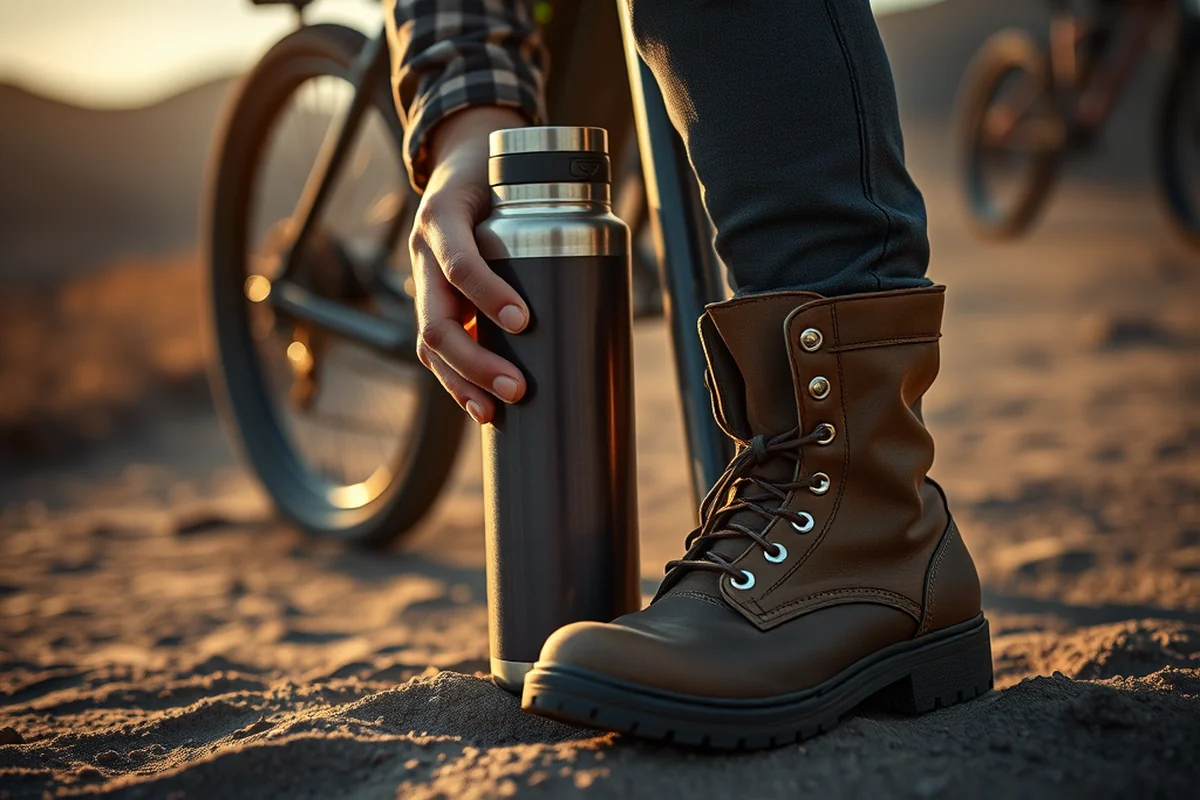
One of the greatest advantages of touring bikes is the sense of freedom they provide. You're not bound by schedules or the limitations of public transportation. You can stop whenever you want, take as long as you need, and explore places that are off the beaten path. I once took a detour to a remote village that wasn’t on any map, and the experience was unforgettable.
Touring bikes also allow you to immerse yourself in the environment in a way that few other forms of travel can. You're constantly in motion, and you're constantly aware of your surroundings — the wind, the sun, the sounds of the landscape. It's a deeply sensory experience that I can't get from a car or a plane.
Another benefit is the physical challenge that touring bikes provide. While it's not for the faint of heart, the physical exertion involved in riding a touring bike can be incredibly rewarding. I've noticed a significant improvement in my cardiovascular health and overall fitness since I started traveling by bike. It’s a full-body workout that keeps you engaged and alert throughout the journey.
There’s no substitute for the feeling of the wind in your hair and the road under your tires.
Related: Mario kart tour
How to Prepare for a Touring Bike Trip
Before setting out on a touring bike trip, it's important to plan your route carefully. I always use a detailed map and GPS device to ensure I have a clear sense of where I'm going. I also research the terrain, weather conditions, and any potential hazards along the way. Planning ahead can make a huge difference in the success of your trip.
Packing the right gear is another crucial step. You need to carry enough food, water, and shelter for the duration of your trip. I always carry a lightweight tent, a sleeping bag, and a small stove for cooking. You also need to pack tools for repairs, a first-aid kit, and a way to communicate in case of an emergency.
Finally, it's important to be physically prepared for the trip. Regular exercise and training can help you build the strength and endurance needed for long days in the saddle. I've found that a few months of cycling before my trip can make a huge difference in how well I handle the physical demands of the journey.
When packing for a touring bike trip, it's important to keep your load as light as possible. I use a lightweight backpack with a frame to distribute the weight evenly across my body. I also carry my gear in waterproof containers to protect it from the elements. Packed smartly, your load can feel much lighter than it actually is.
“The first time I rode a touring bike across a mountain pass, the wind was so sharp it bit through my jacket, and the road…”— Urban Cycling Tours editors
Related: What is a trek bike
Choosing the Right Touring Bike for Your Needs
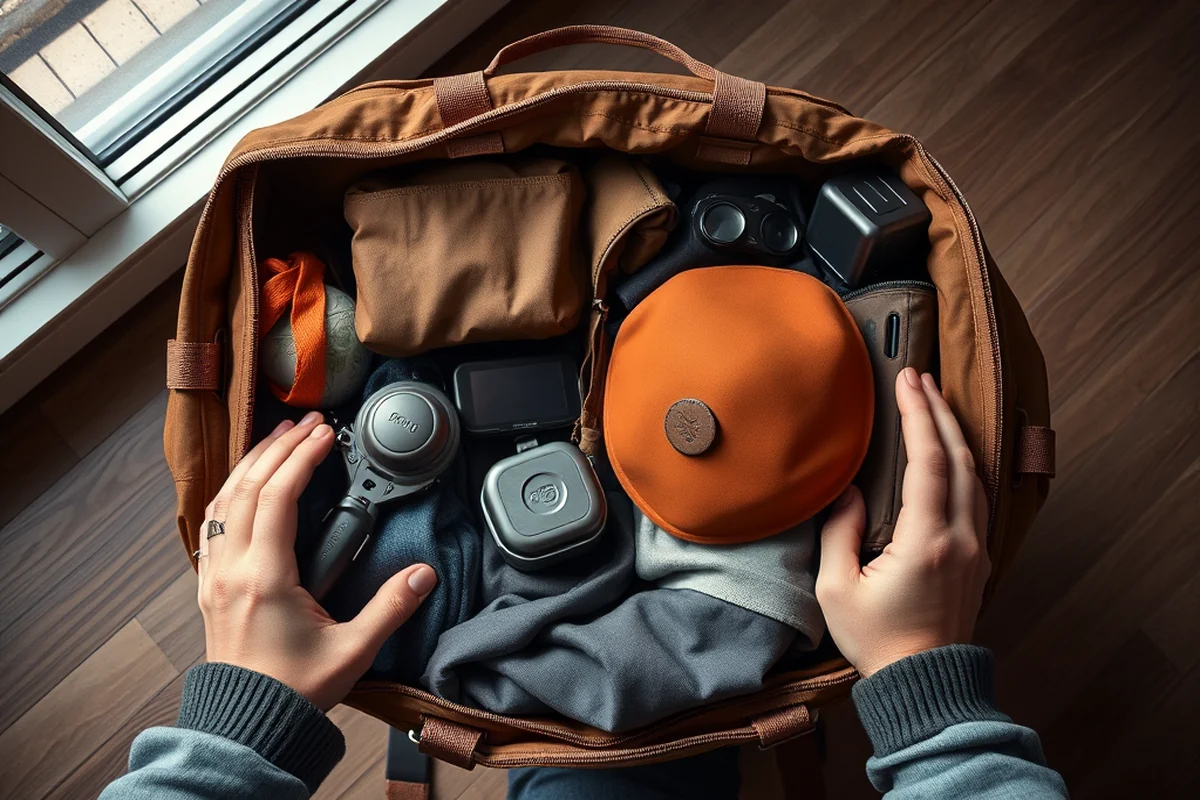
There are several different types of touring bikes available, each with its own unique features and benefits. If you're planning to travel on mostly paved roads, a lightweight touring bike with a narrow tire might be the best choice. However, if you're planning to tackle rougher terrain, a heavier, more robust touring bike with wider tires would be more appropriate.
I've found that steel frames are generally more comfortable on long rides, while aluminum frames are lighter and more responsive. I prefer steel because it feels more forgiving on rough roads. However, if you're looking for a bike that's easier to carry or transport, an aluminum frame might be a better choice.
Another important consideration is the number of gears your touring bike has. A 30-speed drivetrain is usually sufficient for most touring trips, but if you're planning to travel in areas with significant elevation changes, you might want to consider a bike with more gears. I’ve found that having a wide range of gears is essential for handling steep climbs and long descents.[2]
Related: Motocross action magazine
The Best Times to Ride a Touring Bike
Spring is often considered the best time to ride a touring bike, especially in regions with temperate climates. The weather is generally mild, and the roads are free of snow and ice. I’ve found that riding in the spring gives you the best of both worlds — the weather is pleasant, and the landscapes are often at their most vibrant.
However, if you're traveling in regions with harsh winters, it's best to avoid riding during the colder months. Snow and ice can make the roads extremely dangerous, and the cold can be difficult to manage on a long trip. I’ve learned the hard way that trying to ride in the winter is not only uncomfortable but also potentially dangerous.
Another consideration is the time of day. I’ve found that early mornings are the best time to start riding, as the temperatures are cooler and the roads are less crowded. However, if you're traveling in a remote area, you might want to start later in the day to avoid the heat of the afternoon sun.
Related: City bike cycle price
The Challenges of Touring by Bike
One of the biggest challenges of touring by bike is the physical exhaustion that comes with long hours in the saddle. I've had days where I rode for 10 hours straight and felt completely drained by the end of the day. However, I’ve also found that the physical challenge of the trip is one of the most rewarding aspects of touring by bike.
Another challenge is the unpredictability of the weather and terrain. I've had to deal with sudden rainstorms, unexpected road closures, and even wildlife on the road. However, these challenges have also made my trips more interesting and memorable.
Mental endurance is also an important factor. I’ve found that long trips can be mentally taxing, especially when you're riding for hours on end with no clear destination in sight. However, I’ve also found that the mental challenge of the trip is one of the most rewarding aspects of touring by bike.
Touring by bike is not for the faint of heart, but the rewards are immeasurable.
Related: City bike cost
The Long-Term Benefits of Touring by Bike
One of the most obvious benefits of touring by bike is the physical fitness it provides. I've noticed a significant improvement in my cardiovascular health and overall endurance since I started traveling by bike. I’ve also found that the physical challenge of the trip keeps me engaged and alert throughout the journey.
Another long-term benefit is the mental clarity that comes with touring by bike. The constant motion and focus required to ride a touring bike can be incredibly meditative. I’ve found that the mental clarity I experience on the road is something that carries over into my daily life.
Finally, touring by bike can help you develop a deeper appreciation for the world around you. The constant movement and awareness of your surroundings can make you more attuned to your environment. I’ve found that the experience of touring by bike has made me more curious, more open-minded, and more connected to the world around me.
💰 Budget Touring
A low-cost touring trip with basic accommodations and minimal gear. Ideal for first-time travelers.
📅 Long Weekend Touring
A short but intense trip over a few days, perfect for those with limited time but a lot of energy.
👨👩👧👦 Touring with Kids
A family-friendly touring trip that includes child-friendly accommodations and activities.
❄️ Off-Season Touring
A unique way to travel during the colder months, when the roads are less crowded and the scenery is more dramatic.
💎 Luxury Touring
A high-end touring trip with premium accommodations, gourmet meals, and guided tours.
| The mistake | Why it happens | The fix |
|---|---|---|
| Not preparing properly for the trip. | Failing to prepare properly can lead to a number of issues, including injury, equipment failure, and missed opportunities. | Make sure to plan your route, pack the right gear, and train beforehand to ensure a successful trip. |
| Overloading the bike with too much gear. | Overloading the bike can make it difficult to ride and increase the risk of injury. | Pack only the essentials and distribute the weight evenly across the bike to ensure a comfortable ride. |
| Ignoring the weather forecast. | Failing to check the weather forecast can result in being caught in a storm or extreme weather conditions. | Always check the weather forecast before starting your trip and be prepared for changing conditions. |
What Is Touring Bikes
Common Questions
What is the best way to maintain a touring bike during a trip?
How much should I expect to spend on a touring bike?
What kind of clothing should I wear on a touring bike trip?
How long should I plan to spend on a touring bike trip?
References
- On the Road Again: Traveling Arkansas Bike Routes (ardot.gov)
- Bicycle Plan - Connect NCDOT (connect.ncdot.gov)
Cite this guide
Urban Cycling Tours (2026). What Is Touring Bikes. https://cycleweave.com/what-is-touring-bikes/
Feel free to cite or share this guide.
Urban Cycling Tour Day Planner
Builds a timed urban cycling tour itinerary from distance, pace and stops.
Open it free →