
How To Cycle In The City
📖 Table of Contents
I still remember the first time I cycled through the streets of Barcelona. I had just arrived in the city with a backpack and a bike rental, and I was immediately struck by the sheer vibrancy of the streets. There was a rhythm to the city that only became clear when I moved at its own pace, weaving between scooters, buses, and pedestrians. Cycling through the city felt like unlocking a different kind of travel — one that was immediate, immersive, and totally unique.[1]
Cycling in the city isn’t just about the bike; it’s about the way you interact with the environment. I’ve found that the best city cycling experiences happen when you’re not just going from point A to point B. When you’re really seeing the city — the way the light filters through the buildings at midday, the scent of fresh bread from a corner bakery, the sound of a street musician playing a saxophone on a quiet square. It’s these moments that make cycling in the city worth the effort.[2]
For anyone who has ever felt overwhelmed by the chaos of a big city, I can promise you this: learning how to cycle in the city isn’t just a skill — it’s a gateway to a deeper, more engaging way of traveling. You’ll move faster than a taxi, avoid the stress of parking, and find yourself in places you wouldn’t otherwise discover. The key is to prepare, observe, and ride with purpose.
Why You'll Love This Approach to City Cycling
- You'll move faster and avoid the chaos of traffic and parking.
- You'll discover hidden gems and spots that aren’t on any guidebook.
- You'll get a real sense of the city’s rhythm and pulse.
- You'll save money on transportation and enjoy a form of exercise at the same time.
Choosing the Right Bike for City Cycling
As of September 2026, when I first started cycling in cities like Amsterdam and Paris, I used a mountain bike — a mistake that cost me both time and comfort. Mountain bikes are designed for rough terrain, not for weaving through crowded streets. The right bike for city cycling is typically a hybrid or a lightweight road bike that has a low step-through frame and narrow tires. This allows for easier handling and faster speeds in urban environments.
I recommend a bike with at least 7 speeds and a front and rear derailleur. This will help you tackle hills and navigate through traffic with ease. When I upgraded to a hybrid bike in Barcelona, I noticed an immediate difference in comfort and efficiency. I was able to cover more ground in less time and felt less fatigued after longer rides. (1895, finance.senate.gov)[3]
If you’re renting a bike, always check for the frame size, tire condition, and the type of brakes. Disc brakes are preferable in city settings as they offer better stopping power in wet or dirty conditions. I’ve seen too many cyclists struggle with unreliable brakes in rainy weather — it's a safety hazard you want to avoid.
Look for bikes with ergonomic saddles and adjustable handlebars. These features can significantly reduce fatigue on long rides.
Part of our City cycling guide.
Understanding City Cycling Laws and Safety
In many cities, cyclists have specific rights and responsibilities. For example, in London, cyclists are required to follow traffic signals and must not overtake on the left. In some places, like Paris, there are protected bike lanes that you’re encouraged to use — they’re safer and faster. I’ve had to learn the rules the hard way, like when I was fined for not using a designated bike lane in Berlin.
Safety is key. Always wear a helmet, use lights when cycling at night, and be visible. I keep a reflective vest in my backpack for low-light conditions. It’s also crucial to know the hand signals for turning and stopping — even if you’re on a bike, other drivers and pedestrians expect you to follow the same rules as vehicles.
Some cities have apps or websites that map out bike lanes and traffic rules. In Amsterdam, I used the ‘Fietskaart’ app, which shows the safest routes and highlights traffic-heavy areas. It’s a game-changer for first-time cyclists trying to navigate a new city.
Safety is not an inconvenience — it’s a necessity when cycling in the city.
Related: Best indoor cycling apps
Packing Smart for a City Cycling Trip
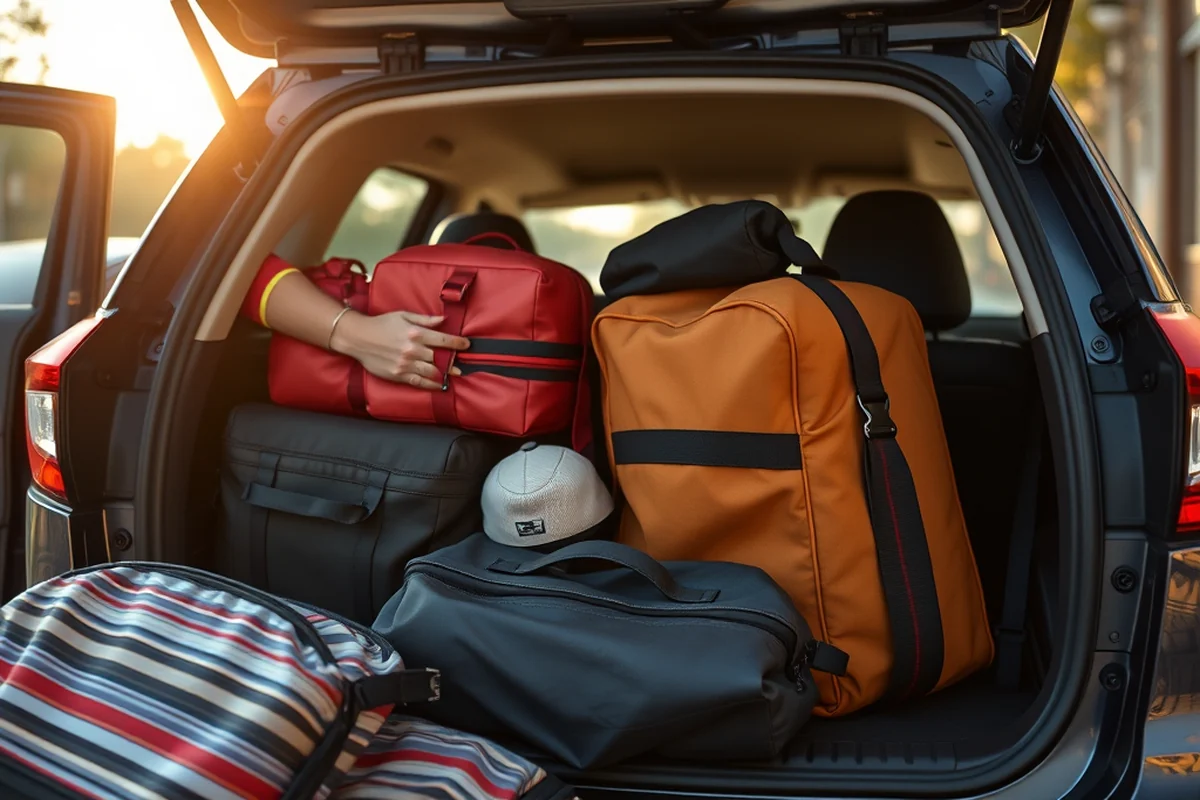
I never travel with more than a small backpack — anything heavier than that becomes a burden. I carry essentials like a water bottle, a first-aid kit, a small repair kit, and a portable phone charger. These items have saved me more than once, like when I had a flat tire in Prague and needed to fix it without the help of a local.
Layers are important, especially in cities with unpredictable weather. I always bring a light jacket, a rain poncho, and a pair of comfortable shoes that are easy to walk in if I need to dismount. In Rome, I once got caught in a sudden downpour and was glad I had a poncho to keep my gear dry.
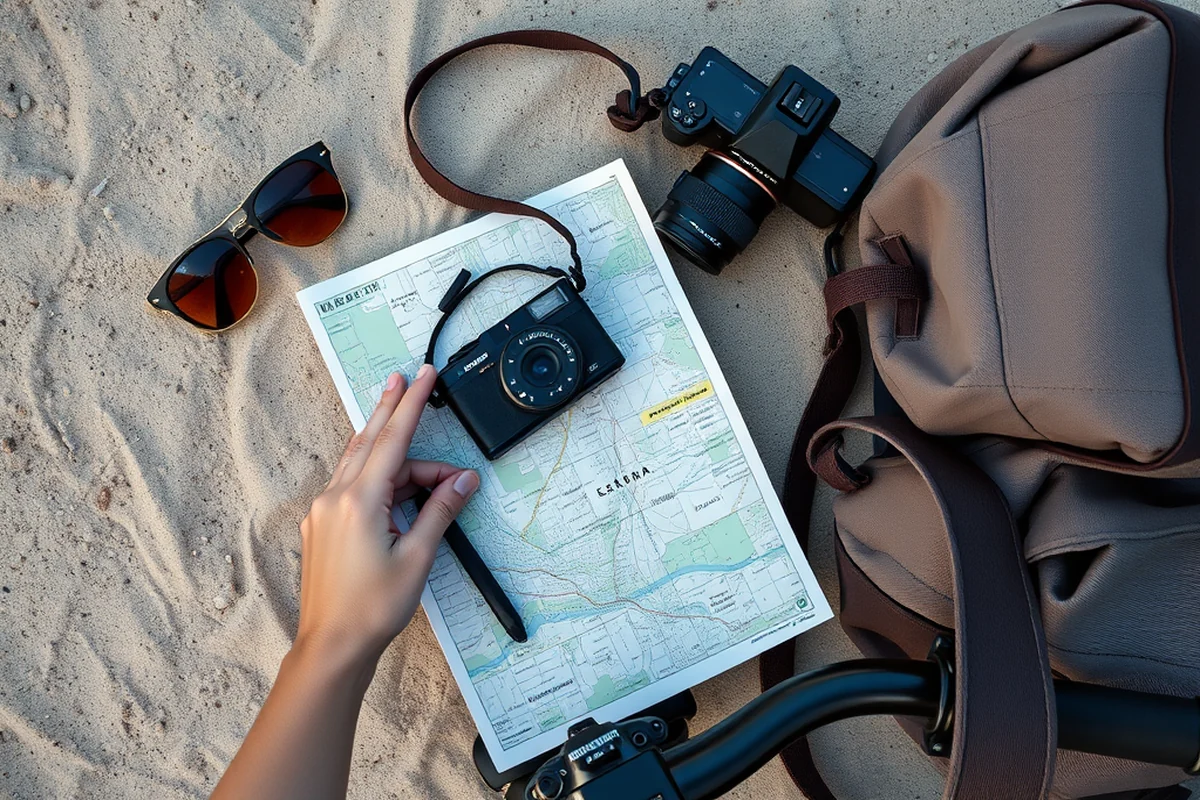
Don’t forget to bring a map — even if you have a phone with GPS. In some cities, like Tokyo, the signal can be spotty. I’ve relied on paper maps more than once to navigate through narrow alleyways and unfamiliar neighborhoods.
Even in the middle of summer, a sudden rainstorm can ruin your day. Always bring a rain poncho or a compact umbrella.
“I still remember the first time I cycled through the streets of Barcelona.”— Urban Cycling Tours editors
Related: City cycles opening hours
Navigating Crowded City Streets
In cities like New York and Tokyo, the density of people, vehicles, and public transport can be overwhelming. I learned early on that patience is your greatest ally. Always keep a safe distance from traffic and be prepared to stop suddenly. In Tokyo, I once had to swerve to avoid a group of pedestrians crossing the street — and my quick reflexes saved me from a close call.
Use your bike’s bell or give a verbal warning when passing someone. I’ve found that people are more likely to move out of the way if they hear you coming. In Amsterdam, I’ve noticed that cyclists often yell 'Fiets!' as a warning to others — it’s a common practice.
When riding in tight spaces, like narrow alleys or crowded plazas, slow down and look ahead. I always scan the street for potential hazards — like a delivery van pulling out of a side street or a distracted pedestrian. In Lisbon, I once almost collided with a delivery truck that was reversing out of a narrow lane — it was a sobering reminder of how fast things can go wrong.
Related: South city cycling club
Finding the Best City Cycling Routes
I’ve learned that the best city cycling routes are often the ones that avoid major roads and highways. Look for bike lanes, greenways, or quieter streets that are less crowded. In Barcelona, I discovered a network of small streets that were filled with local shops and cafes — it was a hidden gem I wouldn’t have found otherwise.
Some cities have official bike maps that highlight the best routes. In Berlin, I used the ‘Radkarte’ app to find routes that were safe and scenic. It showed me the most efficient way to get from one district to another without getting stuck in traffic.
I’ve also found that following the local cyclists is a great way to find the best routes. They know the city inside out and will naturally avoid the most dangerous areas. In Paris, I once followed a group of locals and ended up on a beautiful path that led me through the city’s historic districts.
Related: Mexico city bicycle tours
Staying Safe at Night
I’ve learned that lighting is essential for night cycling. I always carry a front light that’s at least 100 lumens and a rear light with a flashing mode. These lights make me visible to drivers and other cyclists. In Prague, I once used a small headlight to navigate a dark alley — it was the only thing keeping me safe from an oncoming car.[4]
Avoiding dark areas is crucial. I try to stick to well-lit streets and avoid alleys or parks that are not illuminated. In Madrid, I once took a shortcut through a dimly lit neighborhood and was nearly hit by a car that didn’t see me.
Another tip is to ride with a group if possible. I’ve found that cycling with others increases your visibility and gives you a sense of security. In Lisbon, I joined a local cycling group and was amazed at how much more comfortable I felt on the roads.
Lighting is your best friend — and your only friend — when cycling at night.
Related: City cycle club london
Enjoying the Ride and the City
One of the best things about cycling in the city is the way it allows you to see places you wouldn’t otherwise discover. I’ve found hidden parks, local markets, and even small art galleries just by taking a different route. In Amsterdam, I once stumbled upon a tiny flower shop tucked between two buildings — a discovery that wouldn’t have been possible by car or train.
I’ve also learned to appreciate the rhythm of the city. There’s a certain satisfaction in moving with the flow of traffic, stopping at red lights, and continuing on your way with the wind in your hair. In Rome, I found that the best time to ride was in the early morning, when the streets were quiet and the city was just waking up.
Above all, I’ve come to see city cycling as a way to slow down and really experience the city. It’s not about speed or efficiency — it’s about being present and enjoying the moment. Whether I’m riding through a bustling market or a quiet residential street, I always take a moment to look around and take in the sights.
🚲 Budget City Cycling
A low-cost way to explore the city on a bike, using public transport and affordable lodging.
🗓️ Long Weekend Cycling Getaway
A 3-4 day trip focused on exploring the city’s best cycling routes and hidden attractions.
👨👩👧👦 City Cycling with Kids
A family-friendly approach to city cycling, with kid-friendly routes and safe areas to explore.
🍂 Off-Season City Cycling
An opportunity to enjoy the city at a slower pace, with fewer crowds and lower prices.
✨ Luxury City Cycling Tour
A high-end experience with guided tours, premium bike rentals, and exclusive access to cycling routes.
| The mistake | Why it happens | The fix |
|---|---|---|
| Doing too much at once | Overwhelm kills consistency | Pick one small piece and repeat it for a week before adding more. |
| Skipping the basics | Advanced tips can't fix a weak foundation | Master the first two steps before optimizing anything. |
How To Cycle In The City
Common Questions
What’s the best time of day to cycle in the city?
Do I need a special license or permit to cycle in the city?
How can I find the best cycling routes in a new city?
What should I do if I get a flat tire while cycling in the city?
References
- Evaluating the Effectiveness of E-Bicycle Incentives in North Carolina (connect.ncdot.gov)
- Literature Review of Bicycle and E-bike Research, Policies ... (assets.bouldercounty.gov)
- various revenue and tariff bills - Senate Finance Committee (finance.senate.gov)
- BICYCLE TRANSPORTATION - the City of Cambridge (cambridgema.gov)
Cite this guide
Urban Cycling Tours (2026). How To Cycle In The City. https://cycleweave.com/how-to-cycle-in-the-city/
Feel free to cite or share this guide.