
What Is A Bike Tour

📖 Table of Contents
I remember the first time I hopped on a bike tour in Lisbon — the sun was just rising, the cobblestone streets were still damp from the night’s rain. The only thing between me and the Atlantic was a helmet, a map, and a growing sense of adventure. What is a bike tour? It’s not just a way to see a city; it’s an immersive experience that lets you glide through neighborhoods, taste local delicacies, and meet people you’d never otherwise encounter. For travelers who want to move beyond the tourist traps and really feel the pulse of a place, bike tours offer a unique kind of connection that few other activities can match.[1]
What is a bike tour? It’s a journey that balances structure with spontaneity — a carefully planned route that still leaves room for detours, unexpected detours, and the kind of unplanned encounters that make travel unforgettable. I’ve done everything from sunrise spins through Kyoto’s bamboo forests to late-afternoon rides along the Amalfi Coast, and each one has offered a different kind of joy. Whether you're a first-time rider or an experienced cyclist, a bike tour is a way to experience a destination with both your eyes and your body, moving at a pace that feels just right.[2]
What is a bike tour? It’s also a form of travel that’s accessible, sustainable, and deeply personal. I’ve met solo travelers, couples, and even families who’ve found their own kind of magic on two wheels. No matter your fitness level or travel goals, a bike tour can be tailored to fit your needs. The key is to find a tour that aligns with your interests — whether that’s history, food, nature, or simply soaking in the views — and let the journey take you where it needs to go.
Why You'll Love This Adventure
- Experience a destination at a slower, more immersive pace
- Discover hidden gems and local spots that aren’t in guidebooks
- Stay active and healthy while traveling
- Connect with locals and fellow travelers in a unique way
What Makes a Bike Tour Unique
As of October 2026, What makes a bike tour different from other forms of travel is the way it allows you to experience a place with your senses fully engaged. You’re not confined to a vehicle or a tour bus — you’re out there, in the streets, the markets, and the neighborhoods, where the real life of a city happens. I remember one particular tour in Barcelona where we stopped at a small, family-run tapas bar that was only known to locals. It felt like we were being welcomed into a world that wasn’t accessible to the average tourist.
Bike tours also offer a level of flexibility that’s hard to find in other types of guided experiences. While the route is usually planned ahead of time, there’s often room for spontaneity — whether that’s taking a detour to a local festival, stopping for a cold drink in an unexpected square, or simply lingering longer in a place that catches your eye. This kind of adaptability is one of the main reasons why travelers keep coming back for more.
Another thing that sets bike tours apart is the sense of community they create. Whether you're riding with a small group of like-minded travelers or joining a larger tour, there’s a shared energy that comes from moving together through a place. I’ve met people on bike tours who became lifelong friends, and I’ve also formed connections with local guides who became mentors and travel companions in their own right.
Not all bike tours are the same — some are fast-paced and cover a lot of ground, while others take a more leisurely approach. When choosing a tour, consider your own fitness level and travel goals to ensure you’ll enjoy the experience.
Part of our Bike tour guide.
The Benefits of a Bike Tour for Travelers
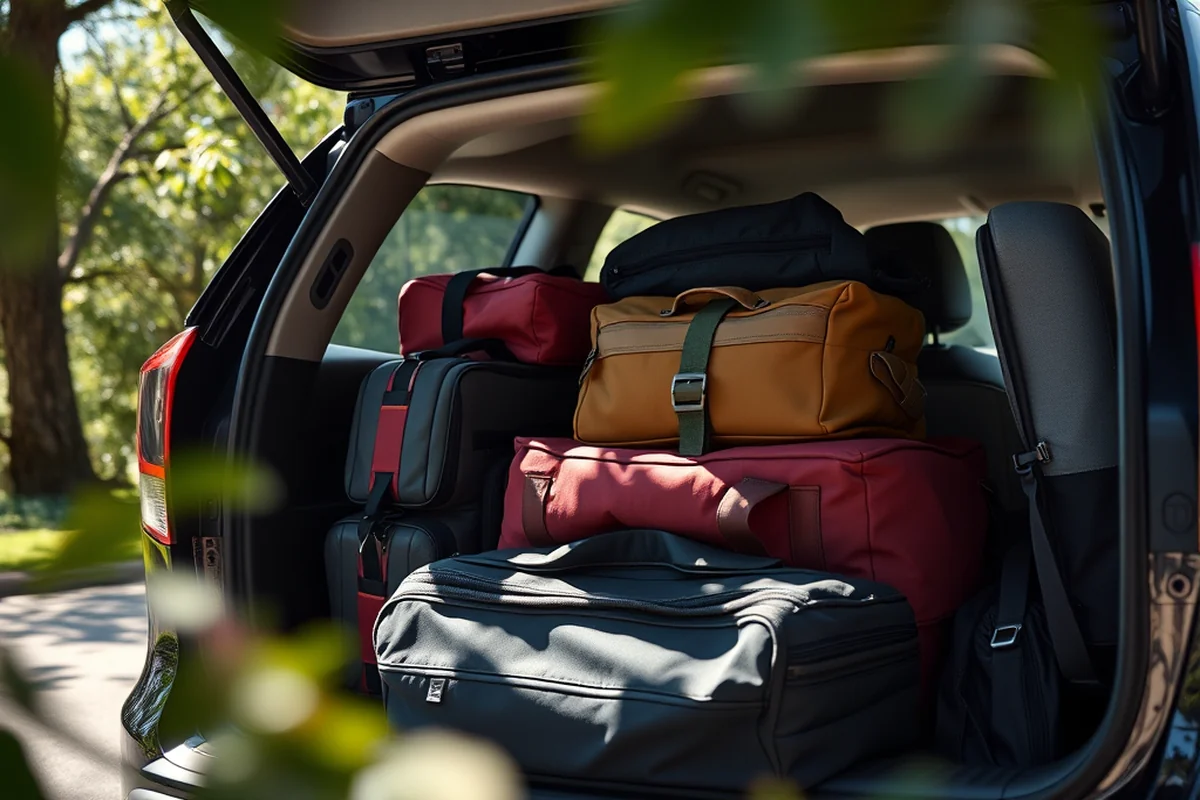
One of the biggest benefits of a bike tour is that it allows you to see a destination in a way that’s both comprehensive and personal. Unlike a walking tour, which might be limited by distance and time, a bike tour lets you cover more ground — and yet, you still get the same immersive experience. I’ve found that on bike tours, I often end up meeting more people, seeing more sights, and even learning more about the history and culture of a place.
Another key benefit is the health aspect — cycling is a fantastic form of exercise, and it’s one of the few ways to stay active while traveling. I’ve noticed that after a few days on a bike tour, I always feel more energized, more alert, and more connected to the places I’m visiting. It’s also a great way to avoid the fatigue that can come from long hours of walking or standing.
Bike tours also offer a level of freedom that many other guided experiences don’t. While there’s still a guide leading the way, you’re in control of your own pace and your own experience. This means you can take breaks when you need to, linger in a spot that interests you, and even explore side streets or alleys that you might not have otherwise noticed.
Bike tours are like traveling with a map, but also with a friend who knows the best shortcuts.
Related: Guided bike tours in europe
The Role of the Guide on a Bike Tour
On a bike tour, the guide plays a crucial role — they’re not just leading the way, they’re also telling the story of the place you’re visiting. A skilled guide knows the history, the culture, the hidden spots, and the best places to stop for food or drink. I’ve had guides who were historians, chefs, artists, and even former locals who had returned to their hometowns and were eager to share their knowledge with travelers.
A good guide also knows how to keep the pace of the tour right — not too fast, not too slow. They’ll know when to encourage you to push a little harder and when to let you take a break. They’ll also know the best places to stop, whether that’s for a quick snack, a photo, or just a moment of rest. This kind of attention to detail can make a huge difference in the overall experience.
In addition, a great guide is someone who’s passionate about what they do. They’re not just there to show you around — they’re there to help you understand the place you’re visiting on a deeper level. I’ve had guides who made me laugh, who shared stories about their own lives. Who even took time to teach me how to handle the city on my own after the tour was over.
Don’t be afraid to ask questions — your guide is there to help you learn more about the place you're visiting. Also, don’t hesitate to engage with them about your own interests or travel goals.
“I remember the first time I hopped on a bike tour in Lisbon — the sun was just rising, the cobblestone streets were still damp…”— Urban Cycling Tours editors
Related: How to bike tour
The Types of Bike Tours Available
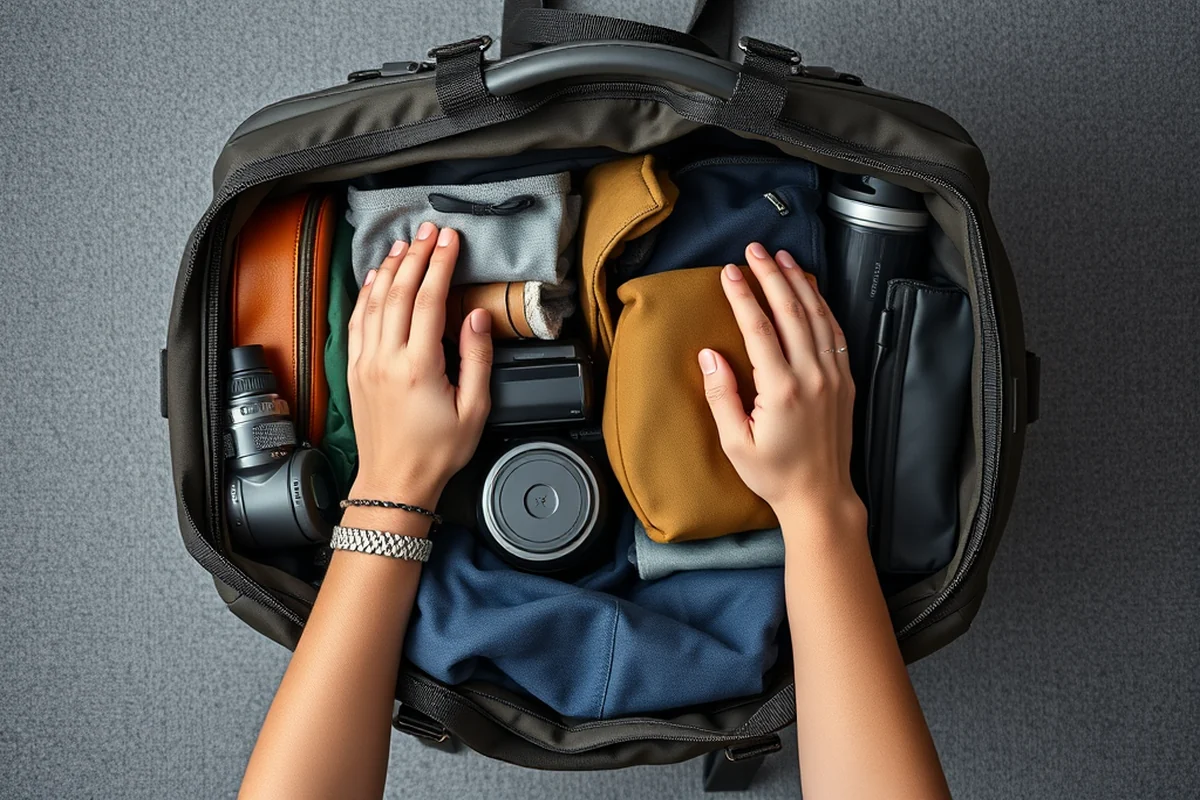
From city tours to nature adventures, there are bike tours that cater to almost every type of traveler. I’ve done everything from casual rides through the streets of Amsterdam to more intense mountain biking trips in the Swiss Alps. Each type of tour offers a different kind of experience — and the right one depends on what you’re looking for in your travel.
City bike tours are the most common and are often the best choice for first-time travelers. These tours usually last between 2 to 4 hours and cover the main sights of a city, while still giving you time to explore on your own. Nature bike tours, on the other hand, are more about the scenery and the landscape — think vineyard tours in Tuscany, coastal rides in Portugal, or mountain trails in New Zealand.
There are also bike tours that focus on specific themes, like food tours, historical tours, or even photography tours. These can be a great way to dive deeper into the culture of a place while still enjoying the physical activity of cycling. No matter what kind of tour you choose, the key is to find one that aligns with your interests and travel style.
Related: Tour de fat 2026
What to Expect on a Bike Tour
What you can expect on a bike tour depends on the type of tour you’re taking, but there are a few things that are common to most experiences. First, you’ll be moving — a lot. Whether you’re doing a city tour or a nature adventure, you’ll be on your bike the entire time, covering ground at a steady pace. This can be tiring, but it’s also incredibly rewarding.
Second, you’ll be seeing things you wouldn’t see on a typical tourist trip. Bike tours take you off the main roads and into the neighborhoods, markets, and hidden corners of a city — places that are only accessible to those who are willing to explore. I’ve had tours where we stopped at local markets, tried street food. Even visited a small family-run winery — all of which gave me a much deeper understanding of the place I was visiting.
Finally, you’ll be meeting people — both fellow travelers and locals. Bike tours are a great way to connect with others who share your interests, whether that’s in cycling, in travel, or in the culture of the place you’re visiting. I’ve met some of my best travel friends on bike tours, and I’ve also had the chance to learn from local guides who became mentors in their own right.
Related: Reviews ride or die
The Best Times to Go on a Bike Tour
While bike tours can be taken at any time of the year, there are certain seasons that are better suited to different types of tours. For city tours, spring and fall are often the best times to go — the weather is generally mild, and the crowds are smaller. I’ve found that spring is especially nice, as the flowers are blooming and the air is fresh, making it a perfect time to explore on two wheels.
For nature tours, however, summer can be the best time to go — at least in places with warm climates. I’ve done mountain biking tours in the summer and found that the trails were less crowded and the weather was more predictable. That said, in some places, like the Swiss Alps, winter can also be a great time to go — the snow-covered landscapes are breathtaking. The quiet of the season makes for a more peaceful ride.
The best time to go on a bike tour is when the weather is favorable and the experience you’re looking for is available. Whether you're going in the spring or in the summer, the key is to choose a tour that fits your interests and travel goals.
Timing is everything — choose the right season and you’ll have the best experience on your bike tour.
Related: Bike touring tips
How to Choose the Right Bike Tour for You
When choosing a bike tour, it’s important to think about your own fitness level and travel goals. If you’re a beginner, you’ll want to choose a tour that’s not too intense or too long. On the other hand, if you’re an experienced cyclist, you might be looking for a more challenging ride that covers more ground.
You should also consider your personal interests — are you interested in history, food, nature, or simply seeing the sights? There are bike tours that focus on each of these areas, so it’s important to choose one that aligns with what you’re most interested in. For example, if you’re a foodie, you might want to choose a food tour that takes you to local markets and restaurants.
Finally, you should also think about the group size and the type of people you’ll be traveling with. Some tours are small and intimate, while others are larger and more social. Depending on your personality, you might prefer one over the other. The key is to find a tour that fits your interests, your fitness level, and your travel goals.
💰 Budget Bike Tour
A low-cost way to explore a city with a group, focusing on affordable stops and basic accommodations.
🚴♂️ Long Weekend Bike Tour
A 3-4 day tour that allows you to explore a destination in depth, with a mix of sightseeing and leisure.
👨👦 Bike Tour with Kids
A family-friendly tour that includes fun, interactive stops and a relaxed pace for all ages.
🍂 Off-Season Bike Tour
A unique way to explore a destination outside of peak season, when the crowds are smaller and the prices are lower.
👑 Luxury Bike Tour
A high-end experience that includes premium accommodations, gourmet meals, and exclusive access to hidden gems.
| The mistake | Why it happens | The fix |
|---|---|---|
| Choosing a tour that’s too difficult for your fitness level | This can lead to exhaustion, frustration, and a less enjoyable overall experience. | Before booking a tour, review the physical requirements and choose a tour that matches your fitness level and travel goals. |
| Not bringing the right gear for the weather | If you don’t have the proper clothing or equipment for the weather, it can make the experience uncomfortable and even dangerous. | Research the weather forecast for the destination and location where the tour will take place, and bring appropriate clothing and gear. |
| Not communicating your preferences with the guide | A good guide should know how to adjust the pace and experience to match the needs of the group. | Before the tour begins, let your guide know about any preferences or concerns you may have — such as dietary restrictions or physical limitations. |
| Trying to take too many photos during the tour | Taking too many photos can distract you from the experience and make it hard to fully enjoy the ride. | Focus on the experience rather than the photos — you can always take more pictures after the tour is over. |
What Is A Bike Tour
Common Questions
Are bike tours suitable for beginners?
Do I need to bring my own bike?
Can I take a bike tour if I’m traveling alone?
What kind of physical condition do I need to be in for a bike tour?
References
- The Powerful Role of Play in Early Education (cde.ca.gov)
- Bike Tours - About Undergraduate Admissions (admissions.une.edu)
Cite this guide
Urban Cycling Tours (2026). What Is A Bike Tour. https://cycleweave.com/what-is-a-bike-tour/
Feel free to cite or share this guide.
Urban Cycling Tour Day Planner
Builds a timed urban cycling tour itinerary from distance, pace and stops.
Open it free →