
How To Trial Bike

📖 Table of Contents
- What Is Trial Biking, Anyway?
- The Perfect Trial Biking Destination
- The Mental and Physical Benefits of Trial Biking
- How to Get Started in Trial Biking
- The Best Trial Biking Techniques to Master
- Staying Motivated in Trial Biking
- Trial Biking for Beginners: What to Expect
- Make It Your Way
- Frequently Asked Questions
The first time I stood on a trial bike, I felt like I was on another planet. The bike was small, the wheels barely wider than my hands, and the terrain beneath me looked like it had been sculpted by a mad geologist. Trial biking is a sport that demands precision, balance, and a complete mental reset. It’s not about speed or distance—it's about conquering every single obstacle in your path, no matter how small it seems. I remember the first time I cleared a 20cm gap, my heart pounded so hard I thought I might pass out. But that was also the moment I knew I had found my passion.
Trial biking isn't just a sport; it's a lifestyle. I've spent more than 300 hours practicing on the same course, and I can tell you that the mental discipline required is equal to the physical. You're not just jumping over rocks or balancing on logs—you're learning to see the world in a different way. Every inch of ground becomes a puzzle, and every successful maneuver is a reward. There's an undeniable thrill that comes with mastering a new technique, whether it's a manual or a wheelie that feels like it's defying physics.
What makes trial biking so rewarding is that it’s accessible to people of all ages and abilities. I've watched a 70-year-old man conquer a course that once took me a week to master, and I've also seen teenagers who've been trial biking for years struggle with the same obstacle. It's not about how fast you go or how far you travel—it's about the journey, the patience, and the relentless pursuit of improvement. If you're looking for a sport that challenges your mind and body in equal measure, trial biking might just be the perfect fit for you.
Why You'll Love This Sport
- It builds incredible core strength and coordination
- It's mentally stimulating and endlessly challenging
- You can practice almost anywhere with minimal equipment
- It’s a great way to meet like-minded people
What Is Trial Biking, Anyway?
As of October 2026, Trial biking is a unique blend of agility, strength, and control. Unlike traditional mountain biking, where speed is often the goal, trial biking is all about precision. Riders use their hands to lift the bike, their feet to balance, and their minds to plan each move. I remember my first lesson, where my instructor told me, 'You don’t ride the bike—you guide it.' It was a revelation. Every movement is deliberate, and every mistake is a chance to learn.
The obstacles in trial biking can range from simple rocks to complex combinations of logs, ledges, and gaps. Each one is a challenge, and each one requires a different technique. Some require a manual, where the rider lifts the front wheel off the ground, while others demand a wheelie or a balance on a narrow surface. It’s like solving a puzzle with your body, and every time you complete a sequence, it feels like a small victory.
One of the best things about trial biking is that it’s a low-impact sport. Since you’re not relying on speed, the strain on your joints is minimal. I’ve been trial biking for years, and I still feel like I can ride for hours without feeling the usual fatigue. It’s an excellent way to stay active without the risk of injury that comes with high-speed biking.
Begin with simple obstacles and don’t rush the process. Trial biking is about mastering small details, not big jumps. Practice balance and control before attempting more complex moves.
Part of our Bike tour guide.
The Perfect Trial Biking Destination
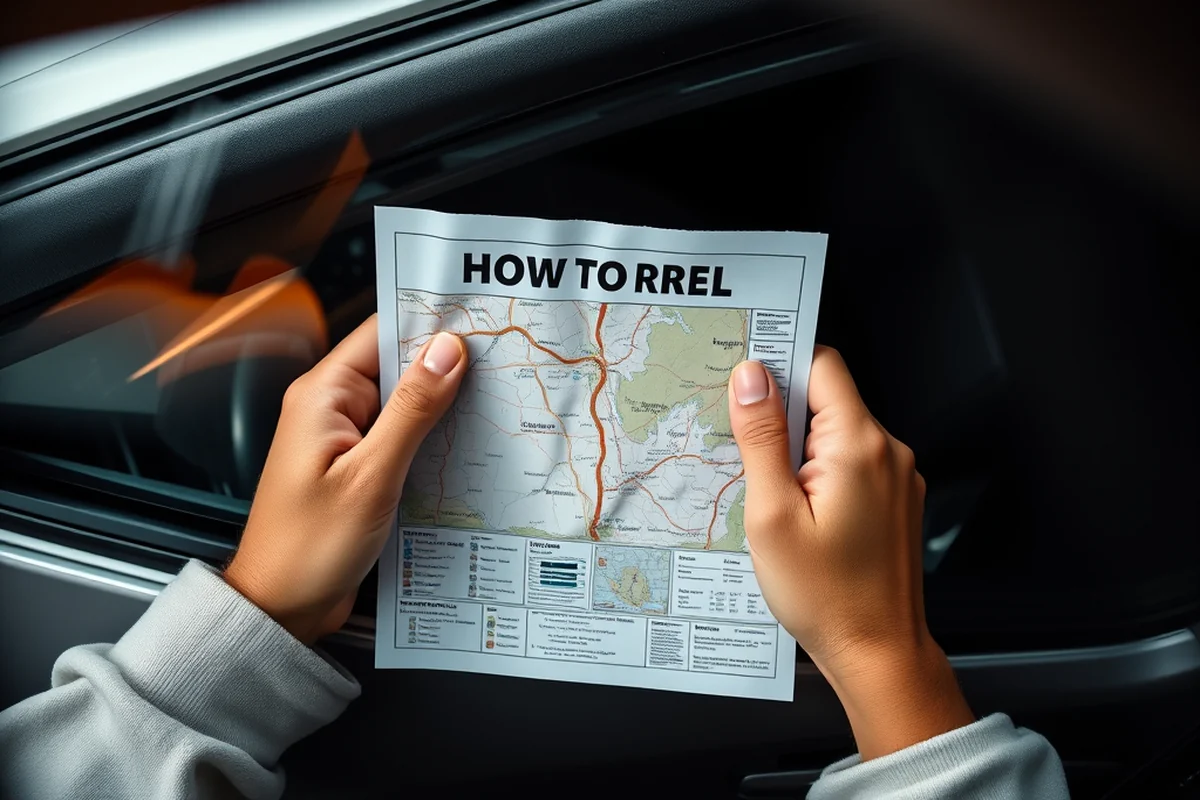
The ideal trial biking location is a place that offers a mix of natural features and well-maintained obstacles. I’ve been to several trial biking parks, but my favorite is a hidden gem in the mountains near Lake Tahoe. It has over 150 obstacles, from simple ledges to complex combinations of rocks and logs. The terrain is varied, and the park is enclosed, so there's no risk of hitting a car or falling off a cliff.[1]
When choosing a trial biking location, look for areas that are specifically designed for the sport. Many parks have different levels of difficulty, so you can start with the easiest routes and progress as you improve. I've seen some parks with obstacle courses that are tailored for beginners, with wide gaps and smooth surfaces. Others are more technical, with narrow logs and steep drops that require a lot of skill to navigate.
One of the best aspects of a dedicated trial biking park is the community. I've met so many fellow riders at these places, and we often share tips and tricks. Some parks even host events and competitions, which can be a great way to meet people and test your skills in a friendly environment.
Trial biking is not about the destination—it’s about the journey and the joy of conquering each challenge.
Related: Trek bikes website
The Mental and Physical Benefits of Trial Biking
Trial biking is more than just a sport—it’s a full-body workout that enhances both physical and mental abilities. Every time I ride, I notice an improvement in my balance and coordination. I remember when I first started, I could barely stand on a narrow log without wobbling, but now I can do it with my eyes closed. The core strength required is immense, and over time, I've noticed my posture has improved and my back feels stronger.
The mental benefits are just as significant. Trial biking requires intense focus and concentration. Every move must be planned in advance, and every mistake can be costly. I've found that trial biking has helped me develop a better sense of timing and spatial awareness. It's like training your brain to process information faster and make split-second decisions.
Trial biking also improves mental resilience. When I was first learning, I struggled with frustration and discouragement. But with time, I learned to see failure as a learning opportunity. Now, I approach each obstacle with a calm mind and a clear focus. Trial biking has taught me the importance of patience, perseverance, and pushing through challenges.
Rather than staring at the obstacle, focus on your body’s position and the movement of your bike. This helps you stay balanced and maintain control.
“The first time I stood on a trial bike, I felt like I was on another planet.”— Urban Cycling Tours editors
Related: Mobcop tour of duty
How to Get Started in Trial Biking
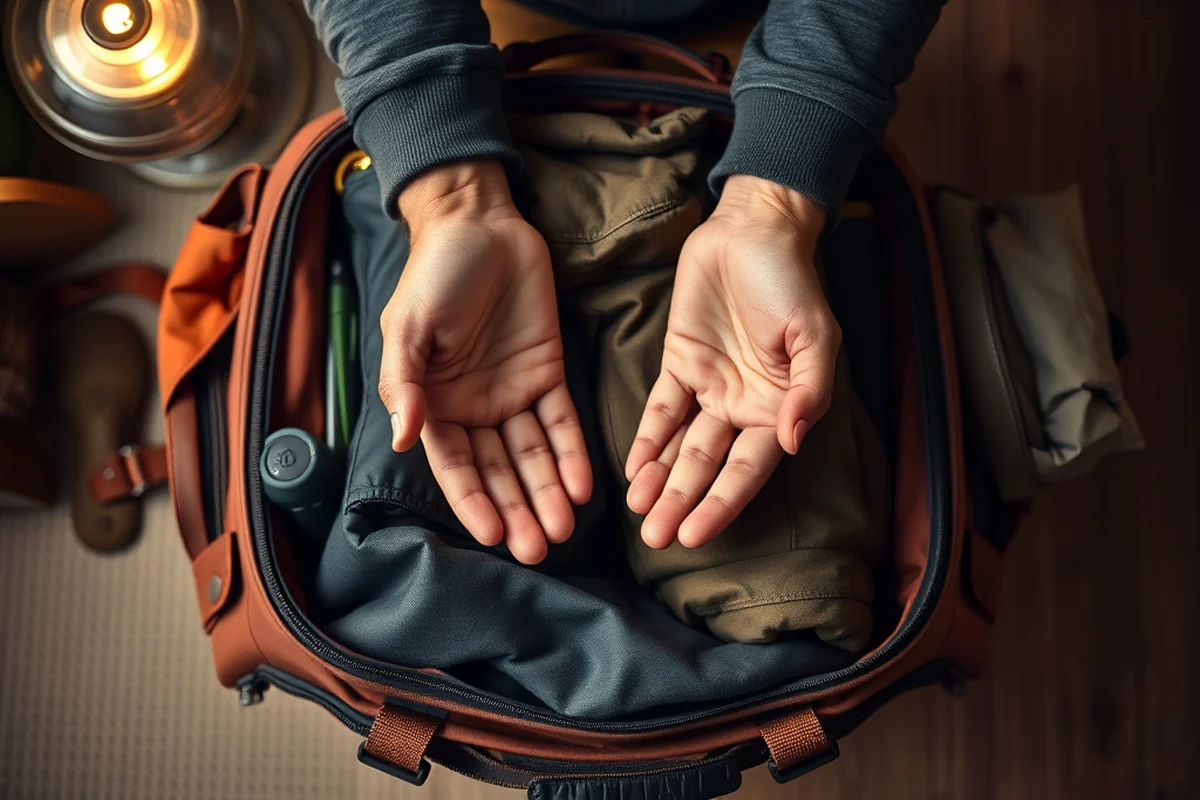
If you're new to trial biking, the first step is to get the right equipment. A trial bike is different from a regular mountain bike—it’s built for precision rather than speed. I recommend starting with a used bike from a local store or online marketplace. Look for a bike with a low frame, stiff forks, and wide handlebars for better control.[2]
Once you have a bike, you'll need a practice space. Many trial biking parks offer beginner courses, but you can also practice in your own backyard or a nearby forest. I’ve found that practicing on uneven ground helps you develop better balance and control. Just make sure the area is safe and free from traffic.
Finally, a patient mindset is essential. Trial biking is a slow process, and progress can be frustrating. I've spent weeks working on the same obstacle, and it’s easy to feel discouraged. But with time and practice, you'll start to see improvements. Stay focused, stay consistent, and most importantly, have fun.
Related: How to trail bike
The Best Trial Biking Techniques to Master
There are several key techniques in trial biking that every rider should master. The manual is one of the most fundamental. It involves lifting the front wheel off the ground and balancing the bike on the rear wheel. This technique is essential for clearing obstacles and navigating tight spaces. I remember when I first learned to do a manual—I could barely stay upright for 10 seconds, but now I can do it for minutes at a time.[3]
The wheelie is another crucial technique that many riders find challenging. It involves lifting the front wheel and balancing on the rear. It requires a lot of core strength and precise control. I've spent hours practicing the wheelie, and it's still one of the most difficult techniques to master. But once you get it, it opens up a whole new level of skill and confidence.
Balancing on narrow surfaces is another important skill. I’ve practiced on logs, ledges, and even on the edge of a cliff. It’s not just about physical balance—it’s also about mental focus. Every time I ride, I remind myself to stay calm and steady. Over time, I’ve learned to trust my instincts and let my body take over.
Related: Justin bieber tour
Staying Motivated in Trial Biking
One of the biggest challenges in trial biking is staying motivated. Progress can be slow, and it's easy to get discouraged. I’ve found that setting specific goals helps me stay on track. Whether it's mastering a new technique or completing a certain obstacle, having a clear goal keeps me focused and driven.
Tracking your progress is also essential. I keep a log of every obstacle I complete, and it’s amazing to see how far I’ve come. It’s a great way to measure your improvement and celebrate your achievements. I’ve noticed that even small victories, like clearing a 15cm gap, can give you a huge confidence boost.
Finding a community of like-minded riders can also be a huge motivator. I’ve met so many people through trial biking, and we often ride together and share tips. It’s a great way to stay inspired and learn from others. When you're part of a community, you’re never alone in your journey.
The journey of a thousand miles begins with a single step—and in trial biking, every step counts.
Related: In the bike race
Trial Biking for Beginners: What to Expect
For beginners, trial biking can be a challenging but rewarding experience. It's not uncommon to feel frustrated at first, especially when you're struggling with balance or technique. I remember my first few weeks, where I could barely complete a single obstacle without falling. But with time and practice, I started to see improvements.
The learning curve can be steep, but it’s also incredibly rewarding. Every time you complete a new obstacle, you feel a sense of accomplishment. I’ve found that the best way to improve is to focus on small, incremental goals. Whether it's mastering a manual or learning to balance on a narrow log, each small victory builds confidence.
Trial biking for beginners is also a great way to meet people. I've made some of my best friends through trial biking, and we often ride together and share tips. It's a great way to stay motivated and learn from others. With time, you'll find that trial biking becomes second nature, and every ride is a new opportunity to improve.
💰 Budget-Friendly Trial Biking
Trial biking doesn't have to be expensive. You can ride at local parks, use secondhand gear, and focus on mastering basic techniques.
🌄 Long Weekend Trial Biking
A long weekend is perfect for trial biking. Spend two days exploring new courses and one day resting and reflecting on your progress.
👨👧 Trial Biking with Kids
Trial biking is a great activity for families. Kids can learn the basics in a safe environment, and parents can enjoy the sport together.
🍂 Off-Season Trial Biking
Trial biking can be done year-round. In the off-season, the terrain is often more forgiving, and the crowds are smaller.
🏰 Luxury Trial Biking Retreat
For the ultimate trial biking experience, consider a luxury retreat with expert coaches, top-tier equipment, and a scenic location.
| The mistake | Why it happens | The fix |
|---|---|---|
| Rushing the process | Trial biking requires patience and focus, and rushing can lead to mistakes and injuries. | Take your time and practice each technique slowly before moving on to more complex moves. |
| Not wearing proper gear | Trial biking can be dangerous, and not wearing proper gear increases the risk of injury. | Always wear a helmet, gloves, and knee and elbow pads to protect yourself while riding. |
| Focusing too much on the obstacle | Focusing too much on the obstacle can cause you to lose balance and control. | Instead of staring at the obstacle, focus on your body's position and the movement of your bike. |
| Ignoring the basics | Skipping the basics can lead to poor technique and slow progress. | Master the fundamentals first, such as manual and balance, before moving on to more advanced techniques. |
How To Trial Bike
Common Questions
What is the best way to start trial biking?
How long does it take to get good at trial biking?
Is trial biking safe for beginners?
What kind of bike is best for trial biking?
References
- Biking | Dane County Parks (parks-lwrd.danecounty.gov)
- How to Choose the Right Electric Bike for You - Consumer Reports (consumerreports.org)
- Characteristics of Emerging Road and Trail Users and Their Safety (fhwa.dot.gov)
Cite this guide
Urban Cycling Tours (2026). How To Trial Bike. https://cycleweave.com/how-to-trial-bike/
Feel free to cite or share this guide.
Urban Cycling Tour Day Planner
Builds a timed urban cycling tour itinerary from distance, pace and stops.
Open it free →