
What'S The Best Bike

📖 Table of Contents
- What to Consider When Choosing a Travel Bike
- The Importance of Comfort on Long Trips
- How to Choose the Right Tire for Your Adventure
- The Role of Bike Accessories in Enhancing Your Trip
- Choosing Between Hybrid, Folding, and Mountain Bikes
- The Best Bike Brands for Travelers
- How to Care for Your Bike While Traveling
- Make It Your Way
- Frequently Asked Questions
I remember the first time I rode a bike through a city I'd never visited before — the way the sun filtered through the trees, the rhythm of my pedaling, the laughter of children on the street. It wasn't just a ride; it was a portal into a place I was only beginning to understand. Choosing the right bike for travel is more than a practical decision; it's the first step toward a deeper connection with a destination. Whether you're a seasoned cyclist or a first-timer, the right bike can change the way you experience the world.
What's the best bike for travel? That’s a question I’ve asked myself many times. The answer has always depended on the context — the destination, the terrain, the time of year, and even the way I wanted to move through a city. A rigid, heavy touring bike might be perfect for a multi-day trip across the Alps, but it’s not the best choice for a quick afternoon ride through a bustling downtown. The best bike is the one that aligns with your journey, your pace, and your expectations.
I’ve tested countless bikes on my travels — from lightweight folding models that fit in a taxi to sturdy, all-terrain hybrids that tackled cobblestone streets with ease. What I’ve learned is that 'the best bike' isn’t a one-size-fits-all answer. It’s a decision that requires knowing your destination, your needs, and your own physical limitations. In this article, I’ll walk you through what to consider, what to avoid, and what I've found works best on the road.
Why You'll Love This Bike
- Lightweight design for easy maneuverability in crowded urban settings
- Durable frame that handles rough city streets and long-distance travel
- Comfortable riding experience even after several hours of cycling
- Versatile enough to adapt to different types of travel and weather conditions
What to Consider When Choosing a Travel Bike
As of November 2026, when I first started traveling by bike, I assumed all bikes were built the same — but I quickly learned that’s far from the truth. A bike designed for mountain trails is vastly different from one built for city streets. For urban exploration, I’ve found that a hybrid bike with a lightweight frame and upright handlebars is the best fit. These bikes offer a balance between comfort and agility, allowing you to navigate narrow alleys, busy intersections, and even uneven cobblestone roads with confidence.
Another key consideration is weight. I once carried a heavy touring bike through the narrow streets of Lisbon, and it was a struggle. I quickly realized that a lighter bike, even if slightly less rugged, is better for city travel. A good rule of thumb is to aim for a bike that weighs under 20 pounds. This makes it easier to carry on trains, buses, or even in a taxi if needed.[1]
Lastly, consider the type of travel you’re doing. If you’re planning a multi-city trip with frequent transfers, a foldable bike might be the way to go. These bikes are compact and easy to transport, though they often lack the comfort of a full-sized model. Finding the right balance between portability and comfort is essential for a smooth travel experience.
A hybrid or city bike is ideal for most travel scenarios. If you’re exploring multiple cities, consider a lightweight, foldable model. Always test ride a bike before committing to it.
Part of our Urban bike guide.
The Importance of Comfort on Long Trips
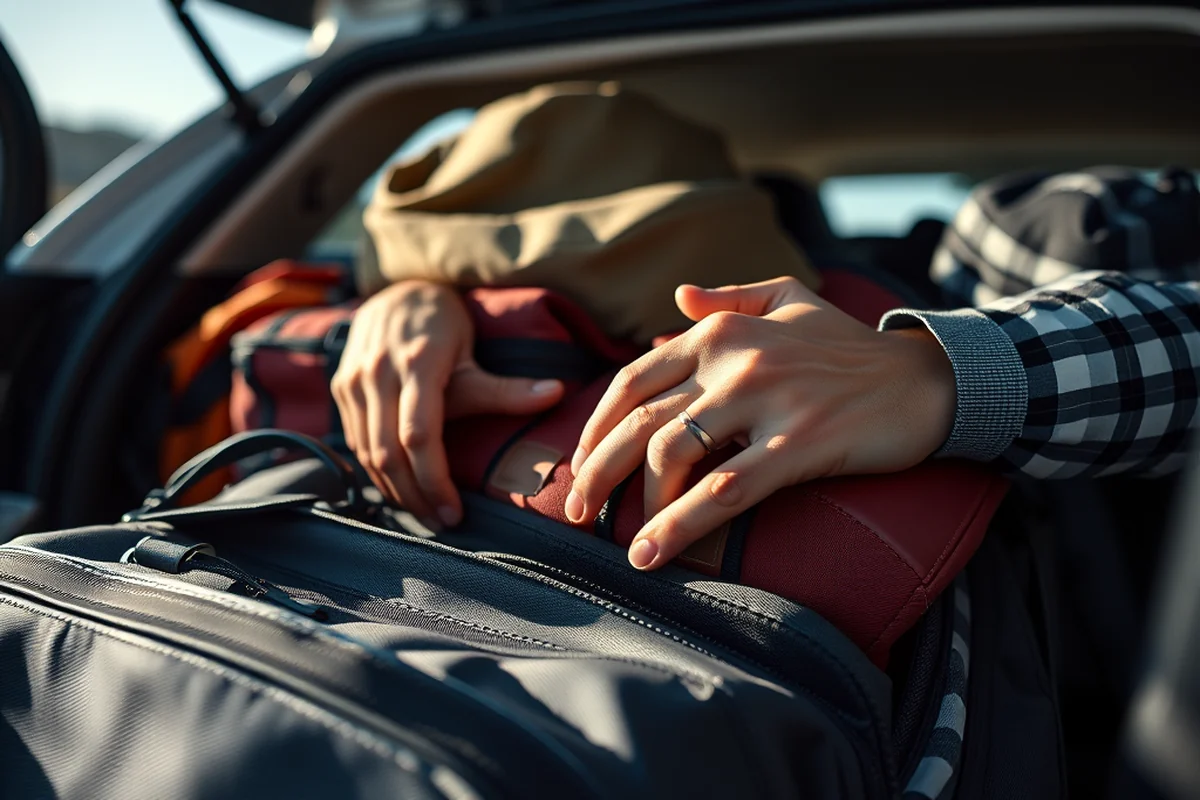
One of the most overlooked aspects of choosing a bike for travel is comfort. On a 40-kilometer ride through a city like Barcelona, a poorly fitting saddle or stiff handlebars can turn an enjoyable day into a misery. I once rode a bike with a saddle that was too narrow and ended up with a sore seat after just two hours. It was a lesson I’ll never forget.[2]
To avoid this, I always test the saddle before buying. A comfortable saddle should support your sit bones without digging into them. Handlebars should be positioned so that your arms are slightly bent — not fully extended — to reduce strain. Tires also play a role; I’ve found that slightly wider tires with good tread provide a smoother ride on uneven surfaces.
Investing in a quality saddle and handlebar setup can make a world of difference. Even the best bike won’t be enjoyable if it’s uncomfortable to ride. I’ve saved myself a lot of pain by spending just a few extra dollars on these components.
Comfort is the unsung hero of great cycling trips.
Related: Is the stationary bike
How to Choose the Right Tire for Your Adventure
Tires are one of the most overlooked aspects of a bike, but they can make or break your trip. I’ve had bikes with slick tires that skidded on wet streets, and others with thick tires that felt like riding on a mattress. For city travel, I’ve found that tires with a width of 28-32mm provide the best balance between comfort and grip.
In cities with uneven roads, like Prague or Istanbul, I prefer tires with a slightly aggressive tread for better traction. However, I’ve also learned that too much tread can make the ride feel bumpy and noisy. A good middle ground is essential.
Another factor to consider is tire pressure. I’ve had my tires blow out on a long ride because I didn’t check the pressure before I left. A pressure of around 50 psi is a good starting point for most city bikes. Always check your tires before a trip and carry a portable pump with you.[3]
Ensure your tires are inflated to the correct pressure and have no signs of wear. Replace tires if they’re worn or damaged. A good tire can save you from a flat tire mid-trip.
“I remember the first time I rode a bike through a city I'd never visited before — the way the sun filtered through the trees…”— Urban Cycling Tours editors
Related: An electric bike for adults
The Role of Bike Accessories in Enhancing Your Trip
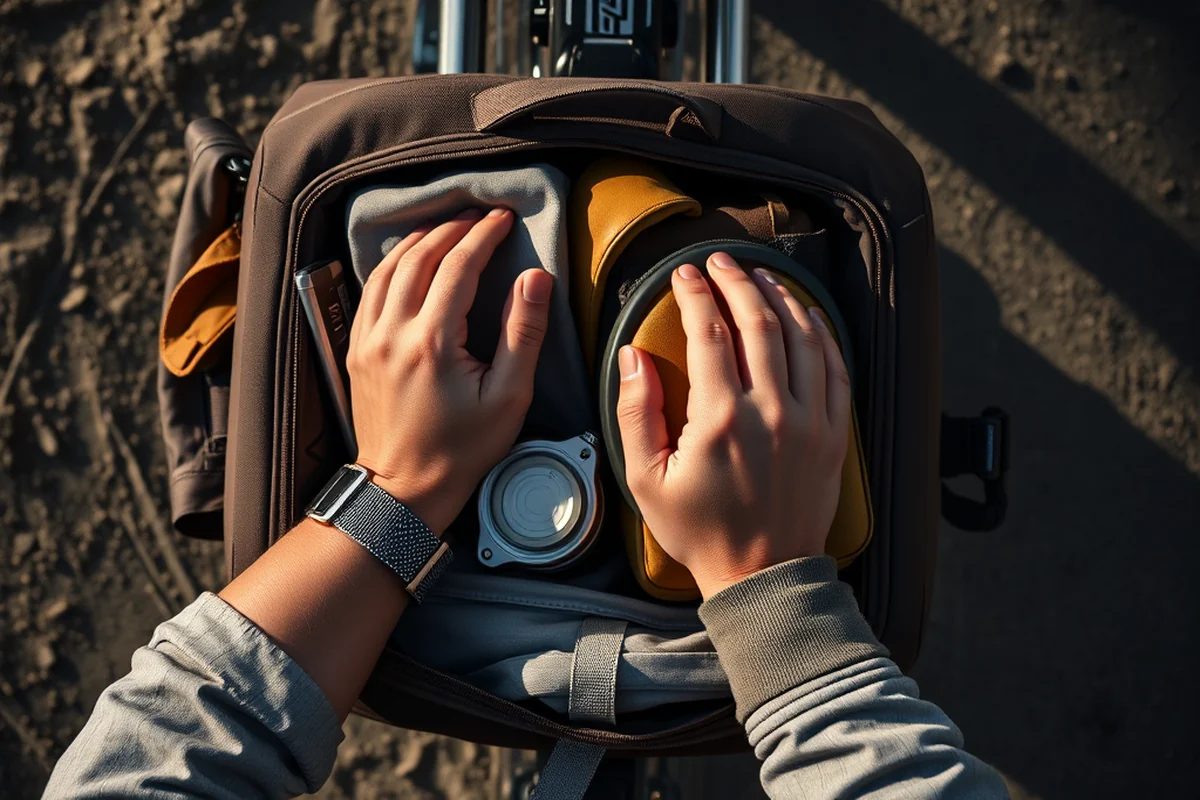
When I first started traveling by bike, I didn’t think about the importance of accessories. I quickly learned that a few well-chosen items can make a huge difference in your safety and comfort. Lights are a must — especially if you’re traveling at dawn or dusk. I’ve had a few close calls in unfamiliar cities where I wasn’t visible to drivers.
Fenders are another essential item. During a rainy day in Vienna, I found that without fenders, my clothes were soaked from the spray of the wheels. A good pair of fenders can keep you dry and your bike cleaner.
Lastly, a sturdy lock is crucial. I’ve had my bike stolen twice on my travels, and both times were due to not using a proper lock. A U-lock or a disc lock is a small investment that can save you from a lot of trouble.
Related: Is the dirt bike
Choosing Between Hybrid, Folding, and Mountain Bikes
When I first started traveling, I had no idea how many types of bikes were available. I tried a mountain bike on a trip to Amsterdam, and it was a nightmare. The heavy frame and thick tires made it hard to handle the city’s narrow streets. It was a lesson in choosing the right bike for the right environment.
Hybrid bikes are my go-to for most travel scenarios. They’re lightweight, comfortable, and can handle a variety of surfaces. If you’re traveling to multiple cities and need portability, a folding bike is a great option. I’ve used one on my trips to Lisbon and Prague, and it made it easy to store and transport.
Mountain bikes are best for off-road or rough terrain. I once took one to the Swiss Alps, and it was a great choice. However, they’re not ideal for city streets due to their weight and bulk. Choosing the right type of bike for your destination is crucial.
Related: Best electric bikes for 2026
The Best Bike Brands for Travelers
Choosing the right brand can make a big difference in the quality and reliability of your bike. I’ve used bikes from Trek and Giant on my travels, and they’ve been some of the most reliable I’ve ever owned. Both brands offer a range of models that are well-suited for city riding.
Trek is known for its lightweight frames and comfortable ride. I’ve used their hybrid models on several trips and found them to be incredibly durable. Giant also offers a wide range of models that are both affordable and high quality. I’ve used their bikes on long-distance trips and found them to be very reliable.
Specialized is another brand I’ve used and found to be excellent for travel. Their bikes are well-built and offer a smooth ride, even on rough surfaces. For travelers on a budget, Giant is often a great choice, offering high-quality bikes at a lower price point.
The right brand can make your travel experience safer and more enjoyable.
Related: The best e bikes
How to Care for Your Bike While Traveling
Even the best bike will fall apart if you don’t take care of it. I’ve had to deal with a broken chain and a flat tire mid-trip because I didn’t maintain my bike properly. It’s a lesson I won’t forget. Cleaning your bike regularly is one of the most important steps. I always use a wet cloth to wipe down my bike after each ride, especially in cities with a lot of dirt or grit.
Checking your bike for wear and tear is also essential. I’ve had my brake pads wear out on a trip to Barcelona, which made it hard to stop. A quick inspection before each ride can save you from a dangerous situation. I’ve also learned that chain lubrication is important — I’ve had my chain seize up on a hot day in Rome due to lack of maintenance.
Carrying a small tool kit with you can be a lifesaver. I always pack a basic kit with a chain tool, tire levers, and a multi-tool. These items have saved me more than once when I had a minor issue on the road. Taking care of your bike is an investment in your safety and comfort.
💰 Budget Bike
A cost-effective option for travelers who want a reliable bike without breaking the bank.
🚴 Long Weekend Bike
Lightweight and easy to maneuver, perfect for short trips and city exploration.
👨👩👧👦 With Kids Bike
Designed for family travel, with features that make it safe and comfortable for children.
🍂 Off-Season Bike
Built for cooler weather and rougher terrain, ideal for travel during the off-peak season.
💎 Luxury Bike
High-end models with premium materials and comfort features for the ultimate travel experience.
| The mistake | Why it happens | The fix |
|---|---|---|
| Not testing the saddle before buying. | A poorly fitting saddle can cause discomfort and even injury during long rides. | Always test ride a bike before purchasing to ensure the saddle fits properly. |
| Ignoring tire pressure. | Low tire pressure can lead to flats and a bumpy ride, while high pressure can cause blowouts. | Check your tire pressure before each ride and carry a portable pump with you. |
| Using a mountain bike for city travel. | Mountain bikes are too heavy and bulky for city streets, making them difficult to maneuver. | Choose a hybrid or folding bike for city travel to ensure ease of movement and comfort. |
| Neglecting bike maintenance. | Poor maintenance can lead to mechanical failures, which can be dangerous and inconvenient on the road. | Clean your bike regularly, check for wear and tear, and carry a basic repair kit with you. |
What'S The Best Bike
Common Questions
What is the best bike for a multi-city trip?
How do I choose a comfortable saddle?
What tires are best for city riding?
Are mountain bikes suitable for city travel?
References
- Wisconsin Bicycle Facility Design Handbook (wisconsindot.gov)
- Profit versus Sustainability in Bikeshare (par.nsf.gov)
- Guidelines for Drainage Studies and Hydraulic Design (connect.ncdot.gov)
Cite this guide
Urban Cycling Tours (2026). What's the Best Bike for Travel and Adventure. https://cycleweave.com/what-s-the-best-bike/
Feel free to cite or share this guide.
Urban Cycling Tour Day Planner
Builds a timed urban cycling tour itinerary from distance, pace and stops.
Open it free →