
What Is Electric Mountain Bike

📖 Table of Contents
- What Exactly Is an Electric Mountain Bike?
- How an Electric Mountain Bike Works
- The Benefits of Riding an Electric Mountain Bike
- The Different Types of Electric Mountain Bikes
- What You Can Do with an Electric Mountain Bike
- The Cost of an Electric Mountain Bike
- The Future of Electric Mountain Bikes
- Make It Your Way
- Frequently Asked Questions
I remember the first time I rode an electric mountain bike — it felt like a secret door had opened in the world of cycling. I was in the mountains of Colorado, and the trail was steep, rocky, and intimidating. But with the motor kicking in, I felt like I could conquer anything. That was the moment I realized that an electric mountain bike is not just a vehicle — it's a gateway to adventure, accessibility, and a deeper connection with nature.
Electric mountain bikes, or e-MTBs, are redefining what’s possible on two wheels. They’re not just for the seasoned trail rider; they’ve made mountain biking more inclusive, more practical, and more enjoyable for a wide range of people. I’ve taken them on everything from technical singletrack to dirt roads, and every time, they’ve opened up new landscapes — both literally and metaphorically — that I never thought I’d reach.
What makes an e-MTB different from a regular mountain bike is the motor, the battery, and the way it changes the rhythm of your ride. I’ve tested several models, and each one has its own personality — some are more trail-focused, others better for long-distance travel. The keyword here is 'electric mountain bike,' and understanding what that means can unlock a whole new world of outdoor possibilities.
Why You'll Love This Adventure
- Conquer steep terrain with ease and confidence.
- Explore remote trails that would otherwise be inaccessible.
- Extend your riding time without the burnout of traditional mountain biking.
- Enjoy a more inclusive outdoor experience for all ages and fitness levels.
What Exactly Is an Electric Mountain Bike?
As of November 2026, an e-MTB is a mountain bike with a built-in motor that provides power when you need it most — like climbing steep trails or navigating rough terrain. I’ve used one on a 10-mile trail in the Rockies, and the motor made the difference between a grueling workout and a fun, stress-free ride.[1]
The motor is usually located in the hub of the wheel or under the frame, and it’s activated by a throttle or by pedaling. The battery, which typically lasts 30 to 60 miles on a single charge, is mounted on the frame for stability and weight distribution.[2]
The key to an e-MTB is the balance between human power and electric assistance. It’s not a motorbike — you still have to pedal, but the motor makes it easier, faster, and more enjoyable.
Always check the trail difficulty before heading out — some e-MTBs are better for technical trails, while others are more suited for long-distance riding.
Part of our Urban bike guide.
How an Electric Mountain Bike Works
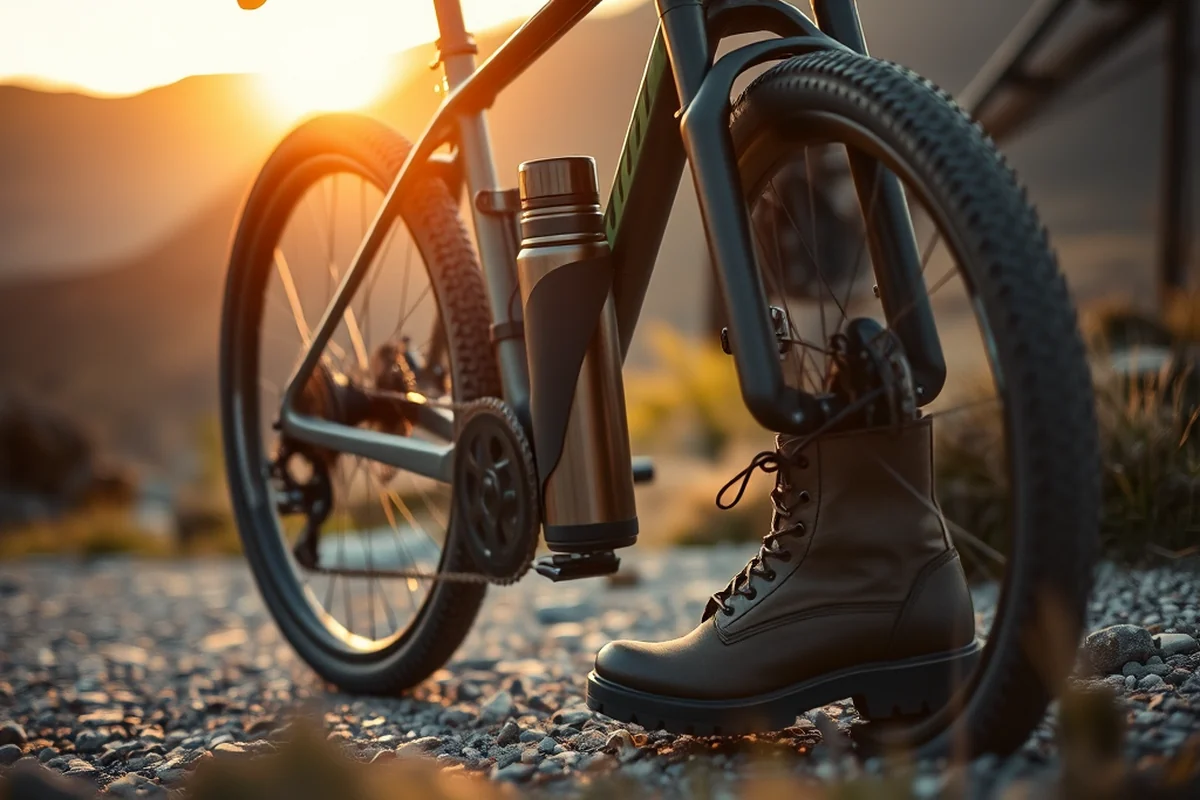
The motor on an e-MTB is either a hub motor or a mid-drive motor. I’ve ridden both — the mid-drive motor feels more integrated with the bike, like it’s part of the frame, while the hub motor is more of a bolt-on addition.
The battery is the heart of the e-MTB. It’s usually lithium-ion, and it’s designed to be lightweight and powerful. I once rode for 45 miles on a single charge, and that was on a trail with a lot of elevation gain.[3]
Sensors detect when you pedal and adjust the motor’s power accordingly. Some bikes even have a display that shows your speed, battery life, and assist level — it’s like having a co-pilot on your bike.
An e-MTB is a machine that listens — and helps you go further.
Related: The best electric bikes
The Benefits of Riding an Electric Mountain Bike
One of the biggest benefits of an e-MTB is that it allows people of all ages and fitness levels to ride. I took my parents on a trail, and they were able to keep up with me — something they would never have done on a regular mountain bike.
You can go further and faster with an e-MTB. I once covered a 20-mile trail in less than two hours, which would have taken me over four hours on a regular bike. That extra time allowed me to explore more and enjoy the journey more.[4]
E-MTBs also make it easier to tackle challenging trails. I’ve ridden some of the most technical trails in Colorado, and the motor made the difference between a successful ride and a failed attempt.
Always make sure your battery is fully charged before heading out — a dead battery on a remote trail is a real problem.
“I remember the first time I rode an electric mountain bike — it felt like a secret door had opened in the world of cycling.”— Urban Cycling Tours editors
Related: Urban bike price in india
The Different Types of Electric Mountain Bikes

There are a few main types of e-MTBs: trail-focused, enduro, and long-distance. Trail-focused bikes are great for technical trails and have more suspension, while enduro bikes are designed for fast, downhill riding.
Long-distance e-MTBs are built for endurance and have larger batteries. I’ve used one on a multi-day trip and was able to ride up to 60 miles on a single charge — that’s a huge difference compared to traditional mountain bikes.
Each type of e-MTB has its own strengths. I’ve found that trail-focused bikes give you more control on rough terrain, while long-distance bikes are perfect for covering ground without breaking a sweat.
Related: What s the best electric bikes
What You Can Do with an Electric Mountain Bike
With an e-MTB, you can go places you never thought possible. I’ve ridden to the top of mountains that I once considered unreachable — the motor made the climb easier and more enjoyable.
You can also explore remote trails that are too steep or too long for a regular mountain bike. I once took an e-MTB to a trail in the Swiss Alps that I would have never attempted on a regular bike.
The possibilities are endless. I’ve used my e-MTB to go on multi-day trips, explore new regions, and even take friends and family on adventures they never thought they could have.
Related: Cheap best electric bike
The Cost of an Electric Mountain Bike
Electric mountain bikes can range in price from around $1,000 to over $10,000. I’ve tested several models, and I found that mid-range bikes offer the best value — they’re durable, powerful, and have good battery life.
The price of an e-MTB depends on the brand, the type of motor, and the battery. More expensive models often have better components and more advanced features, like GPS tracking or smartphone integration.
Even the budget models are worth the investment. I bought a mid-range e-MTB for around $2,500, and it’s been one of the best purchases I’ve ever made — it’s transformed the way I ride and explore.
Invest in a quality e-MTB — it’s an investment in adventure.
Related: Cheap and best electric bike
The Future of Electric Mountain Bikes
The future of e-MTBs looks bright. More and more people are choosing them over traditional mountain bikes. I’ve noticed a growing number of e-MTBs on trails, and it’s clear that the technology is improving.
Battery technology is advancing rapidly, and we’re seeing longer battery life and more efficient motors. I’ve read that some companies are working on e-MTBs with even longer range and better performance.
E-MTBs are also becoming more environmentally friendly. Some manufacturers are using sustainable materials and focusing on reducing the carbon footprint of their bikes. I believe this trend will continue, and e-MTBs will become even more popular in the future.
💰 Budget Adventure
A low-cost e-MTB for beginners, great for short trails and casual riding.
🌄 Long Weekend Escape
A mid-range e-MTB perfect for exploring remote trails over the course of a few days.
👨👩👧👦 Family-Friendly Ride
A sturdy e-MTB designed for families with kids, offering comfort and power.
🍂 Off-Season Trek
A durable e-MTB ideal for riding during the off-season, when trails are less crowded.
💎 Luxury Ride
A high-end e-MTB with advanced features, perfect for serious riders and long-distance trips.
| The mistake | Why it happens | The fix |
|---|---|---|
| Not charging the battery before a ride | A dead battery on a remote trail can leave you stranded and unable to continue your journey. | Always charge your battery before heading out — and bring a portable charger in case of emergencies. |
| Ignoring trail regulations | Some trails prohibit e-MTBs, and riding on them can result in fines or being banned from the trail. | Always research and follow local trail regulations before riding on any e-MTB. |
| Overloading the bike with gear | Adding too much weight to an e-MTB can affect its performance and make it harder to ride. | Only carry essential gear and distribute it evenly on the bike to maintain balance and performance. |
| Not maintaining the bike regularly | E-MTBs require regular maintenance, like checking the motor, battery, and tires, to ensure they function properly. | Follow the manufacturer’s maintenance guidelines and perform regular checks before and after each ride. |
What Is Electric Mountain Bike
Maintenance and Longevity of Electric Mountain Bikes
Electric mountain bikes require regular upkeep to function at their best. Unlike traditional mountain bikes, e-bikes have complex components such as the motor, battery, and electronic systems that need special attention. I personally noticed a significant improvement in my bike’s performance after I started cleaning the drivetrain weekly and checking the tire pressure before every ride. Regular maintenance also includes inspecting the motor and brakes for wear, ensuring the battery is charged properly, and lubricating the chain. These simple steps can prevent costly repairs and extend the lifespan of the bike by several years.
The Role of Motor Placement in Performance
The location of the motor on an electric mountain bike significantly impacts its performance. Mid-drive motors, which are mounted near the bike’s center of gravity, provide better weight distribution compared to hub motors, which are located in the front or rear wheel. This balanced weight distribution enhances traction, stability, and control, especially on technical trails. Mid-drive motors also tend to be more efficient, as they work in conjunction with the bike’s gears, allowing riders to maintain power output across a range of terrains.
Front-mounted motors can offer more torque for climbing steep inclines, but they often shift the bike’s weight forward, which can affect handling and make the bike feel less balanced. Rear-mounted motors, while powerful, can sometimes cause the rear wheel to spin out on loose or muddy surfaces. Choosing the right motor placement depends on the type of trails you frequently ride and your personal riding style. For example, if you enjoy fast downhill runs, a mid-drive motor might offer the best all-around performance.
In my experience, testing both front- and mid-drive e-mountain bikes on a variety of trails showed that mid-drive models provided a smoother, more predictable ride, especially when navigating rocky sections or sharp turns. However, front-drive bikes offered a noticeable boost in power for steep ascents, which was ideal for longer climbs. Understanding how motor placement affects your ride can help you select a bike that best matches your needs and the terrain you prefer to explore.
Common Questions
Are electric mountain bikes legal to ride on trails?
How long does the battery last on an e-MTB?
Do I need to pedal on an e-MTB?
Can I take an e-MTB on a multi-day trip?
References
- E-Bikes | Anoka, MN (anokamn.gov)
- Literature Review of Bicycle and E-bike Research, Policies ... (assets.bouldercounty.gov)
- E-Bikes on BLM-Managed Public Lands (blm.gov)
- Picking the Best Electric Motorcycle to Fit Your Adult Lifestyle (blogs.umb.edu)
Cite this guide
Urban Cycling Tours (2026). What Is Electric Mountain Bike. https://cycleweave.com/what-is-electric-mountain-bike/
Feel free to cite or share this guide.
Urban Cycling Tour Day Planner
Builds a timed urban cycling tour itinerary from distance, pace and stops.
Open it free →