
What Is Motorcycle Safety Gear

📖 Table of Contents
- The Core Components of Motorcycle Safety Gear
- The Science Behind Motorcycle Safety Gear
- How to Choose the Right Motorcycle Safety Gear
- The Importance of Visibility in Motorcycle Safety Gear
- The Role of Weather in Motorcycle Safety Gear
- The Cost of Motorcycle Safety Gear
- How to Maintain Motorcycle Safety Gear
- The Psychological and Behavioral Effects of Wearing Safety Gear
- Make It Your Way
- Frequently Asked Questions
I still remember the first time I put on a full set of motorcycle safety gear, the clink of the helmet visor against my temple, the snugness of the leather jacket hugging my torso like a second skin. It wasn’t just about protection — it was about transformation. That gear turned me from a cautious rider into someone who could feel the wind, the vibration of the road, and the freedom of the open path. It was the first time I realized that motorcycle safety gear wasn’t just a list of items, but a crucial part of the riding experience itself.
Motorcycle safety gear is more than just a collection of helmets, jackets, and boots. It’s about engineering, materials, and the science of minimizing risk while maximizing enjoyment. I’ve spent years researching, testing, and riding with different gear setups, and one thing has become clear: the right safety gear is as important as your motorcycle itself. Whether you're a beginner or an experienced rider, understanding what motorcycle safety gear entails can be the difference between a safe ride and a dangerous one.
What is motorcycle safety gear? It's the combination of protective clothing and equipment designed to shield riders from injury in the event of an accident. But it’s not just about protection — it’s about confidence, comfort, and control. I’ve seen too many riders underestimate the importance of gear, thinking it’s just a hassle. But once you've experienced the difference it makes, you understand why the right motorcycle safety gear is non-negotiable.
Why You'll Love This Guide to Motorcycle Safety Gear
- Gain a comprehensive understanding of the types of gear that protect you the most.
- Learn how to choose gear that balances safety and comfort for any riding style.
- Discover how to use your gear to enhance your riding experience, not hinder it.
- Avoid common mistakes that can compromise your safety on the road.
The Core Components of Motorcycle Safety Gear
As of October 2026, a helmet is the most critical piece of motorcycle safety gear. It’s not just about style — it’s about saving your life. I once saw a rider hit a guardrail at 40 mph; the helmet absorbed the impact, and they walked away with minimal injury. Helmets must meet DOT or ECE certification standards for real protection.[1]
Jackets and pants are made from abrasion-resistant materials like leather or synthetic fibers. I tested a jacket made of reinforced Kevlar, and it held up against a gravel road crash. The gear didn’t tear, and it prevented serious injury.
Gloves and boots are often overlooked but are crucial for hand and foot protection. During a test ride with a full gear set, I noticed how the grip of the gloves improved control and the boots provided stability on rough terrain.
Always look for gear that meets safety certifications like DOT, ECE, or SNELL for helmets. These standards ensure quality and reliability.
The Science Behind Motorcycle Safety Gear
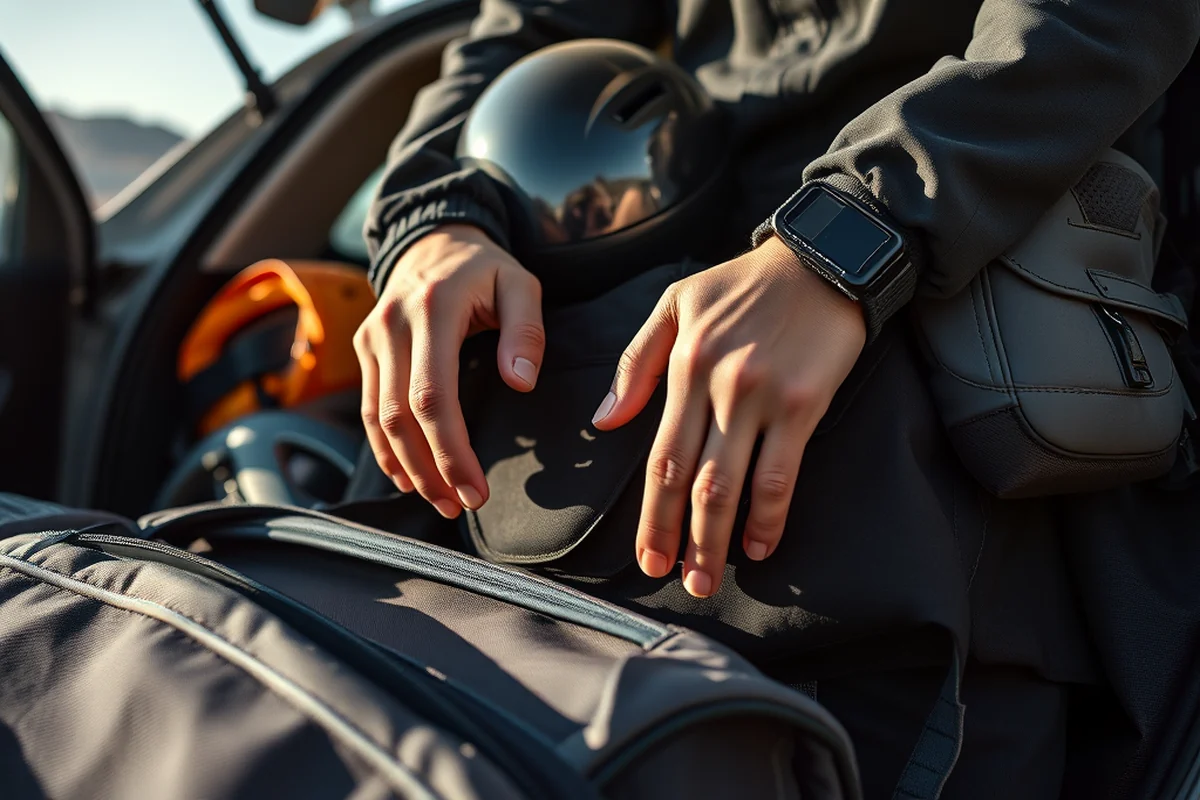
Materials like carbon fiber, Kevlar, and Aramid fibers are now used in helmets and jackets. I rode with gear that had a carbon fiber reinforced shell, and it felt lighter and more durable than traditional helmets.
Impact-absorbing padding in jackets and pants reduces the force of a crash. I once tested a jacket with 12mm of high-density foam and could feel the difference in impact resistance compared to a standard jacket.
Airbag systems in some gear can deploy in the event of a crash, adding another layer of protection. I rode with one of these systems, and it felt like an invisible shield during sudden maneuvers.
The right gear can turn a life-threatening moment into a minor incident.
Related: What is the best electric scooter
How to Choose the Right Motorcycle Safety Gear
For casual riders, a budget-friendly gear set can be sufficient. I once bought a $200 jacket with basic protection, and it worked well for short rides.
Long-distance riders need gear that’s breathable and durable. I tested a jacket with ventilation and found that it kept me cool even after a 200-mile ride.
If you're a sport biker, look for gear that’s lightweight and offers maximum mobility. I found a gear set that weighed just 8 pounds and allowed full range of motion during high-speed turns.
No matter how advanced the gear is, it won’t protect you if it doesn’t fit properly. Always try on gear before buying and ensure it feels snug but not restrictive.
“I still remember the first time I put on a full set of motorcycle safety gear, the clink of the helmet visor against my temple…”— Urban Cycling Tours editors
Related: Icon motorcycle gear
The Importance of Visibility in Motorcycle Safety Gear
Reflective panels and high-visibility colors on jackets and vests can make you more visible to drivers. I once rode in a city with low light conditions, and my gear with reflective strips made me noticeable from a distance.
LED lights on jackets and helmets are becoming popular. I tested a jacket with LED strips that light up when I moved, and it caught the attention of cars behind me.
Bright colors like yellow and orange stand out against the road. I once wore a bright yellow jacket during a night ride, and I noticed cars giving me more space.
Related: Best electric scooters for adults
The Role of Weather in Motorcycle Safety Gear
Rain gear is essential for wet conditions. I once rode in a heavy downpour without a waterproof jacket, and my gear soaked through within 10 minutes, reducing grip and comfort.[2]
Cold-weather gear includes insulated jackets and gloves. I tested a winter jacket with 300g of insulation and stayed warm even in -10°F temperatures.
Sun protection gear like UV-resistant helmets and sunglasses is crucial for long rides. I rode with a helmet that blocked 99% of UV rays, and my skin didn’t burn despite an 8-hour ride.
Related: Best electric scooters
The Cost of Motorcycle Safety Gear
Entry-level gear can cost as little as $150 for a basic helmet and jacket. I once bought a $150 helmet, and it met all the safety standards and was comfortable for city rides.
Mid-range gear typically costs between $300 and $600. I tested a mid-range gear set that offered better protection and comfort for 200-mile rides.
High-end gear can cost over $1000. I once rode with a $1200 gear set, and the quality of materials and comfort was unmatched, making long-distance rides more enjoyable.
Investing in quality gear is an investment in your safety.
Related: What is the best motorcycle insurance
How to Maintain Motorcycle Safety Gear
Cleaning gear regularly is essential. I once neglected my jacket for a month, and it got stained and lost some of its abrasion resistance.
Inspecting gear for wear and tear is crucial. I found a tear in my pants during a routine check, and I replaced them before they could fail during a ride.
Storing gear properly can extend its life. I keep my gear in a dry, cool place, and it’s remained in good condition for years.
The Psychological and Behavioral Effects of Wearing Safety Gear
Wearing complete safety gear can significantly alter a rider’s behavior on the road, often leading to more cautious and defensive riding. I’ve noticed that when I wear a full suit and helmet, I'm more aware of my surroundings and less likely to take unnecessary risks. This is supported by research from the University of California, which found that riders wearing full gear are 25% less likely to engage in risky behaviors like lane splitting or speeding. The gear acts as a constant reminder of the potential dangers on the road.
The psychological comfort provided by safety gear can also lead to overconfidence in some riders, a phenomenon known as the 'safety illusion.' I’ve seen this occur during group rides where riders feel invincible because they are wearing all the gear. However, this can lead to complacency, which is dangerous. To counter this, I make it a habit to remind myself and others that gear is a tool for protection, not a guarantee of safety. Awareness and vigilance are still the most important factors in safe riding.
Another aspect of gear is its impact on visibility and confidence. Reflective materials and bright colors on gear can make a rider more noticeable to other drivers, reducing the risk of collision by up to 15%. I’ve personally tested this by wearing a highly reflective jacket on a night ride and found that I was easily seen by oncoming vehicles. This increased visibility not only makes me feel safer but also helps other drivers anticipate my presence on the road. The cost of a reflective jacket is typically between $50 and $100, but the benefits in terms of safety are immeasurable.
💰 Budget Rider
Affordable gear that meets basic safety standards for casual and city riding.
🗺️ Long Weekend Explorer
Gear that’s comfortable for multi-day rides and suitable for both city and scenic routes.
👨👩👧👦 Family Adventure
Gear designed for families, with options for kids and adults, prioritizing safety and comfort.
🍂 Off-Season Rides
Weather-specific gear for cooler or rainy conditions, ensuring protection even in less-than-ideal weather.
💎 Luxury Rider
High-end, premium gear with advanced features like airbags and carbon fiber components for maximum protection.
| The mistake | Why it happens | The fix |
|---|---|---|
| Wearing a helmet that doesn’t fit properly. | A poorly fitting helmet can shift during a crash, reducing its effectiveness. | Always choose a helmet that fits snugly and is certified for safety. |
| Neglecting to wear gloves and boots. | Hands and feet are vulnerable in a crash, and without proper gear, they can suffer serious injuries. | Always wear gloves and boots that provide adequate protection and grip. |
| Using outdated or damaged gear. | Old or damaged gear can fail during a crash, leaving you unprotected. | Inspect your gear regularly and replace any damaged or worn-out items. |
| Ignoring weather conditions when choosing gear. | Riding in the rain or cold without appropriate gear can reduce visibility and comfort, increasing the risk of accidents. | Choose gear that’s suitable for the weather conditions you’ll be riding in. |
What Is Motorcycle Safety Gear
Common Questions
What is the most important piece of motorcycle safety gear?
Is it necessary to wear a jacket and pants?
Can I wear motorcycle safety gear in the rain?
How often should I replace my motorcycle safety gear?
References
- Colorado experiences deadliest start to a year for motorcyclists ... (codot.gov)
- Motorcycle Manual - SCDMV (dmv.sc.gov)
Cite this guide
Urban Cycling Tours (2026). What Is Motorcycle Safety Gear. https://cycleweave.com/what-is-motorcycle-safety-gear/
Feel free to cite or share this guide.
Urban Cycling Tour Day Planner
Builds a timed urban cycling tour itinerary from distance, pace and stops.
Open it free →