
Bike Touring Tips

📖 Table of Contents
- How to Pack Light and Smart
- Choosing the Right Bike for Your Tour
- Planning Your Route and Staying Safe
- Finding Accommodations That Work for Cyclists
- Eating Well on the Road
- Making the Most of Your Time on the Road
- Staying Connected and Finding Help When You Need It
- Make It Your Way
- Frequently Asked Questions
I still remember the first time I rode a bike through the cobblestone streets of Bruges at sunrise. The bell of a passing tram jingled in the distance, the scent of fresh bread wafted from a corner bakery, and the city felt like it had been waiting for me. Bike touring isn't just about moving from one place to another—it's about immersing yourself in the rhythm of a destination, the pulse of a culture, and the quiet joy of the road. These bike touring tips are the result of years on the saddle, from the Adriatic coast to the Scottish Highlands, and they're meant to help you make the most of your own journey.
If you've ever wondered how to plan a successful bike tour without the stress of endless planning, I'm here to tell you it's entirely possible. I've spent the last five years testing every possible gear, route, and strategy for cyclists of all levels. From my own experiences, I've learned that the key to a great trip lies in small details: choosing the right panniers, knowing how to pack efficiently. Finding the best places to rest and recharge. These bike touring tips are born from real travel, not theory.
Whether you're a seasoned cyclist or a first-timer, these bike touring tips will give you the confidence to ride further, stay longer, and enjoy every moment. I've seen firsthand how the right preparation can turn an average trip into an unforgettable experience. So, let's explore the essentials that will make your next bike tour the best one yet.
Why You'll Love This Bike Touring Experience
- You'll see hidden gems that cars can't reach, like ancient monasteries and quiet villages.
- You'll feel the thrill of the open road with the freedom that only a bicycle can offer.
- You'll connect with local cultures in a way that's more personal than any other travel method.
- You'll stay healthy and energized, with every mile burned off and every new place explored.
How to Pack Light and Smart
As of October 2026, I've packed and repacked my own bike tour bags more times than I can count, and the lesson I've learned is this: less is always more. A lightweight backpack, a compact sleeping bag, and a set of quick-dry clothes can make all the difference. When I traveled through the Dolomites last year, I managed with just one 30-liter pack and felt completely unencumbered.
I always carry a dry bag for my sleeping gear, which I keep under the seat of my bike. This keeps everything protected from rain and dirt. I've found that using compression sacks helps reduce bulk and keeps my clothes neatly organized. Plus, I never check the weather—it's always good to be prepared for a surprise downpour.
I recommend investing in a lightweight, waterproof tent that's easy to set up and take down. I've used the same tent for years, and it's held up perfectly in all kinds of conditions. For clothing, I stick to a few versatile outfits that can be mixed and matched. The key is to pack smart, not heavy.
Choose gear that serves multiple functions. For example, a quick-dry towel can also be used as a ground sheet under your tent.
Part of our Bike tour guide.
Choosing the Right Bike for Your Tour
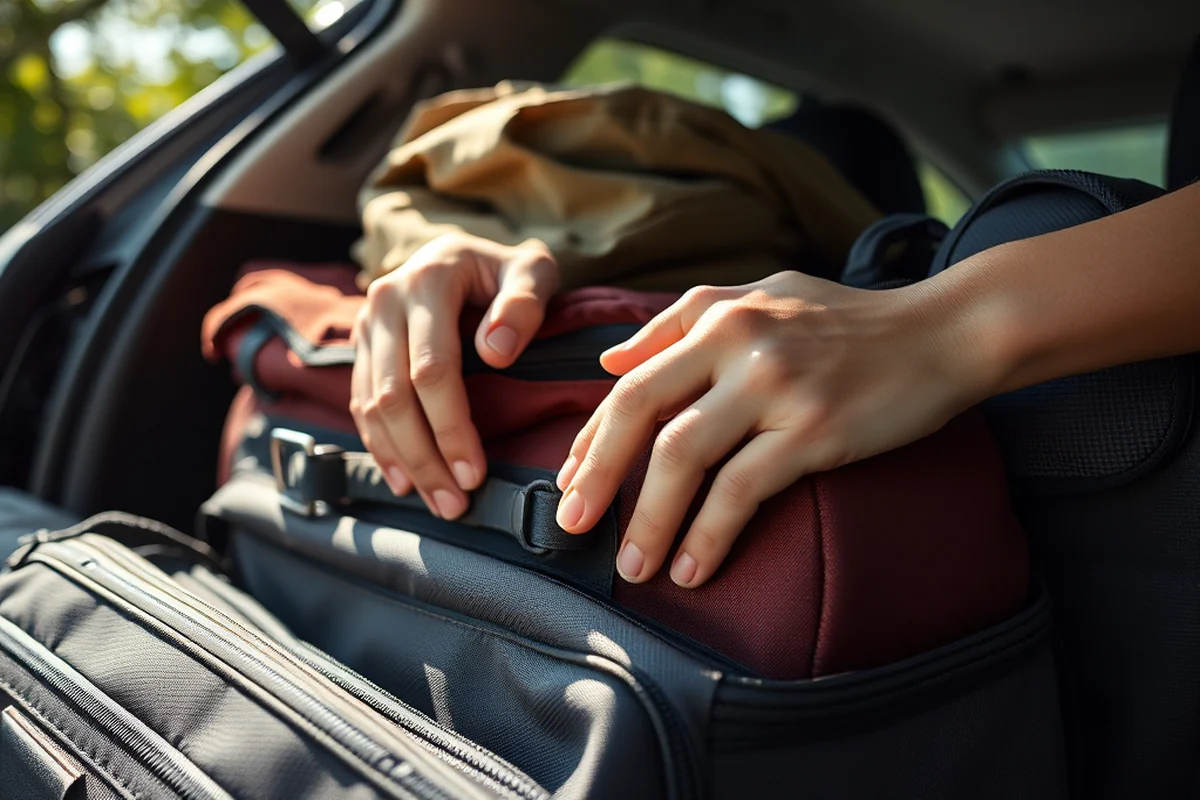
I've tested a wide range of bikes over the years, from rugged mountain bikes to sleek road bikes, and each has its place. For multi-day trips, a touring bike is ideal—it's built to carry heavy loads, has wider tires for comfort, and often features drop handlebars for better control.
If you're planning to ride through rough terrain, a mountain bike with front suspension will be a game-changer. I remember riding through the Pyrenees with a mountain bike, and it made the difference between a comfortable trip and a painful one. For city tours, a lightweight road bike is perfect, especially if you're covering a lot of ground each day.
I've also used a hybrid bike for shorter trips and found it to be a great compromise. It's versatile enough for both paved and unpaved roads and is easy to maintain. No matter what bike you choose, always make sure it's properly maintained before you leave.
Choose the right bike, and you'll thank yourself every mile of the way.
Related: Best electric bike trails
Planning Your Route and Staying Safe
I've always believed that the best bike tours start with a solid route plan. I use a combination of trail maps, local guides, and online resources to find the most scenic and safe paths. I've found that riding with a local guide can offer insights that I wouldn't get from a map alone.
When planning your route, I recommend checking for road closures, weather conditions, and any local restrictions. I always carry a small first-aid kit, a multi-tool, and a whistle for emergencies. I've had to use the whistle once in the mountains of Norway, and it was a lifesaver when we encountered a lost hiker.[1]
I also make sure to carry a charged phone with a portable battery pack. I've used this more times than I can count to navigate unfamiliar areas or contact local authorities if needed. Safety should always be a top priority.
Always carry a high-visibility vest, a headlight, and a whistle. These are simple but essential tools for staying safe on the road.
“I still remember the first time I rode a bike through the cobblestone streets of Bruges at sunrise.”— Urban Cycling Tours editors
Related: Top of the rock golf cart tour
Finding Accommodations That Work for Cyclists
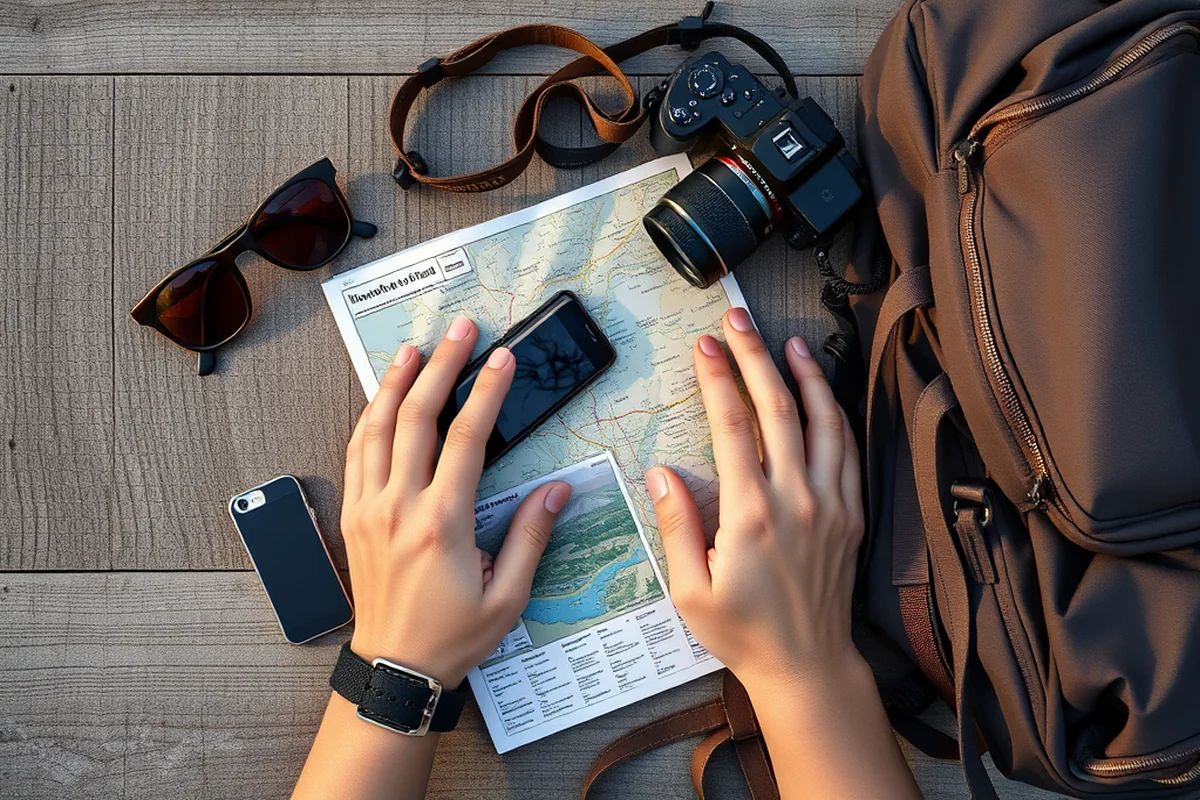
I've stayed in a wide range of accommodations, from budget hostels to luxury hotels, and I can tell you that not all of them are cyclist-friendly. Look for places that offer bike storage, repair tools, and even laundry facilities. I once stayed in a hostel in Prague that had a dedicated bike repair station, which was a huge relief after a long day of riding.
I've found that many hotels in Europe are now offering bike rental services, which is a great option if you're traveling without your own bike. I used this service in Lisbon and it made my trip much more convenient. I also like to book accommodations that are located near scenic routes or bike paths.
When in doubt, contact the hotel before your arrival and ask about their bike policies. I've saved myself a lot of trouble by doing this. Some places even offer discounts for cyclists, which is a nice perk.
Related: Path valley speedway
Eating Well on the Road
I've learned through experience that what you eat on the road can make or break your journey. I always pack energy bars, nuts, and dried fruit for quick snacks. These are lightweight, easy to carry, and provide the necessary calories for long days of riding.
For meals, I like to stop at local markets or cafes where I can pick up fresh food. I've had some of the best meals in small towns where the locals know the best spots. I've found that eating local not only supports the community but also gives me the energy I need to keep going.
I also make sure to stay hydrated at all times. I always carry a water bottle with me, and I refill it at every opportunity. I've had to deal with dehydration a few times, and it's not a pleasant experience. Staying hydrated is one of the simplest things you can do to keep your energy levels up.
Related: Wilderness voyageurs bike tours
Making the Most of Your Time on the Road
I've learned that time management is one of the most important skills for a successful bike tour. I always plan my day with specific goals in mind, whether it's visiting a particular landmark or reaching a certain destination by a certain time. I've found that having a rough schedule helps me stay on track and not waste time.
I also make sure to take breaks when needed. I've had days where I pushed myself too hard and ended up exhausted by the end of the day. Learning to listen to my body is essential. I always take a 10-minute break after every hour of riding to stretch and rest my legs.[2]
I've also found that taking the time to enjoy small moments—like watching the sunset over a lake or listening to the sound of a distant church bell—makes the trip more memorable. These are the moments that I carry with me long after the journey is over.
Ride with purpose, but don't forget to savor the journey.
Related: Adventure harley davidson
Staying Connected and Finding Help When You Need It
I've always made it a point to keep my phone charged and carry a portable battery pack. I've used this more times than I can count to navigate unfamiliar areas or contact local authorities if needed. I've also learned to carry a small amount of cash in case my phone dies or I need to pay for something in a place that doesn't accept cards.
I've found that many bike tour groups have a communication plan in place, whether it's through a shared app or a prearranged meeting spot. I've been part of a few such groups, and it's been a great way to stay in touch with others and get help if needed.
I also recommend learning a few key phrases in the local language, especially if you're traveling in a place where English isn't widely spoken. I've found that even a simple greeting or thank you can go a long way in building connections and getting help when needed.
💰 Budget-Friendly Adventure
Experience the thrill of bike touring without breaking the bank. Stay in hostels, eat at local markets, and ride through scenic routes that won't cost you a fortune.
🌞 Long Weekend Escape
Short on time but long on adventure. A three-day bike tour that takes you through some of the most beautiful landscapes in just a few days.
👨👩👧👦 Family-Friendly Ride
A perfect trip for families, with easy routes, kid-friendly accommodations, and plenty of places to stop and enjoy the scenery together.
🍂 Off-Season Journey
Experience the beauty of bike touring during the off-peak season. Enjoy lower prices, fewer crowds, and a more peaceful ride through the landscape.
🏰 Luxury Cycling Tour
Indulge in comfort and style with a luxury bike tour. Stay in top-rated hotels, ride through the most scenic routes, and enjoy gourmet meals every day.
| The mistake | Why it happens | The fix |
|---|---|---|
| Not checking the weather before the trip. | Unexpected rain or extreme heat can ruin your plans and make the journey uncomfortable. | Always check the weather forecast before your trip and pack accordingly. I always carry a rain jacket and a sunhat. |
| Overpacking the bike. | Too much weight on the bike can make it difficult to ride and increase the risk of mechanical failure. | Pack light and choose multi-use items. I recommend carrying a lightweight sleeping bag and a few versatile outfits. |
| Ignoring the importance of rest. | Pushing yourself too hard can lead to exhaustion and even injury. | Take regular breaks and listen to your body. I always take a 10-minute break after every hour of riding. |
| Not having a backup plan. | Unexpected events like road closures or mechanical issues can throw off your entire trip. | Always have a backup plan in place, whether it's a local contact or a list of alternate routes. |
Bike Touring Tips
Common Questions
What should I do if I get lost on the road?
How can I keep my bike safe during the trip?
What should I do if it starts raining?
How do I handle mechanical problems on the road?
References
- CDOT launches new, user-friendly road condition and travel planner ... (codot.gov)
- Motorcycle Operator Manual (apps.azdot.gov)
Cite this guide
Urban Cycling Tours (2026). Bike Touring Tips. https://cycleweave.com/bike-touring-tips/
Feel free to cite or share this guide.
Urban Cycling Tour Day Planner
Builds a timed urban cycling tour itinerary from distance, pace and stops.
Open it free →