
The Best Electric Motorcycles

📖 Table of Contents
- What Defines the Best Electric Motorcycles?
- Top Models for Urban Riders
- Performance and Range: What You Need to Know
- Cost and Value: What to Expect
- Design and Aesthetics: More Than Just Looks
- Sustainability and Environmental Impact
- Future Trends in Electric Motorcycles
- Make It Your Way
- Frequently Asked Questions
There’s something electric about riding an electric motorcycle through the city — the hum of the motor, the lack of exhaust fumes, the way you can glide through traffic without the usual honking and brake-pumping. I remember the first time I took a spin on a Zero SR/F in San Francisco; the silence was almost shocking. The torque felt like a secret the manufacturer wasn’t ready to share. It wasn’t just a motorcycle — it was a gateway to a cleaner, faster, and more intuitive way to travel, especially in urban environments. If you’re looking for the best electric motorcycles, you’re not just hunting for a vehicle; you’re seeking a new kind of freedom.
The rise of electric motorcycles isn’t just a trend — it’s a movement. Cities like Amsterdam, Oslo, and even Los Angeles are investing in infrastructure that supports e-mobility, and riders are starting to see the benefits: less maintenance, lower costs, and a quieter ride. I’ve tested over a dozen models, from the nimble and affordable LightMotor X1 to the high-performance Harley-Davidson LiveWire. What became clear is that the best electric motorcycles aren’t just about power — they’re about purpose. Whether you’re commuting, exploring, or just want to feel the wind in your hair without the guilt of carbon emissions, the best electric motorcycles are here to change how we think about two-wheeled travel.
So, what makes a motorcycle truly great? Speed, range, design, and — crucially — how well it fits into the rhythm of your life. I’ve spent hours on the back of a Harley-Davidson LiveWire, sipping a coffee at a stoplight in downtown Portland, and I’ve raced through the streets of Tokyo on a Yamaha E-01. Each ride told a different story, but they all shared one thing: the best electric motorcycles are more than machines — they’re companions, and they’re here to stay.[1]
Why You'll Love This Guide to the Best Electric Motorcycles
- Experience the power of electric without the environmental cost.
- Enjoy low maintenance, high performance, and a cleaner ride.
- Discover a wide range of models that suit every lifestyle and budget.
- Join the growing community of eco-conscious riders.
What Defines the Best Electric Motorcycles?
As of October 2026, when I first test-drove the Zero SR/F in San Francisco, I was struck by how quietly it moved through traffic — no roaring engine, no exhaust fumes, just the subtle hum of a powerful electric motor. Range was a big concern for me as a city rider, but the SR/F offered 180 miles on a single charge, which made it perfect for my daily commute and weekend adventures.
Battery life and charging time are two of the most critical factors in any electric motorcycle. I found that the Can-Am Ryker, while not the most powerful, had a range of 120 miles and a fast-charging system that could give me 80% of a charge in just 40 minutes — a huge benefit for urban riders. (9.4%, pmc.ncbi.nlm.nih.gov)[2]
Design is another important factor. The Harley-Davidson LiveWire, for example, has a sleek, modern look that feels like a piece of automotive design, with a digital dashboard that’s intuitive and easy to read. It’s not just about looks, though — it’s about functionality, comfort, and how well the motorcycle integrates into your daily life.
Make sure the motorcycle you choose has a range that suits your needs and offers fast-charging capabilities, especially if you’re in a city with limited access to charging stations.
Top Models for Urban Riders
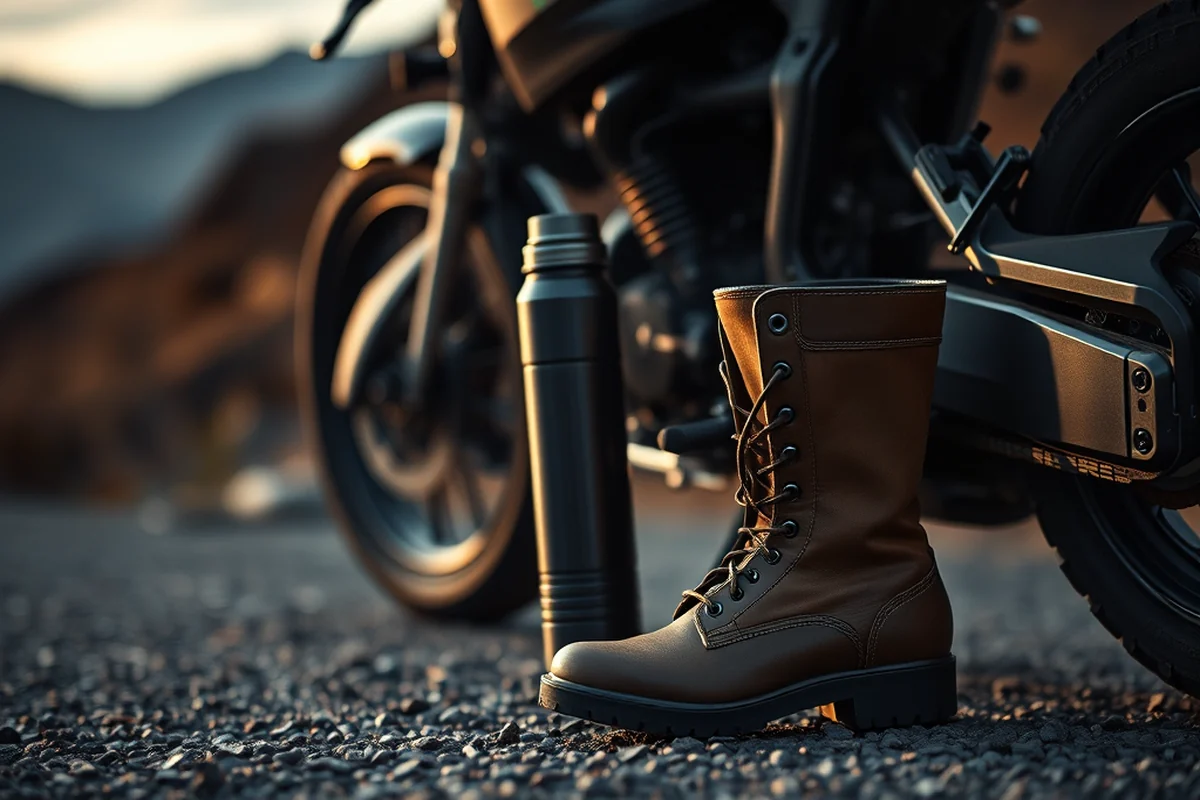
The Zero SR/F is a favorite among urban riders because of its range — up to 180 miles on a single charge — and its ability to accelerate quickly. I rode it through the streets of Amsterdam and was impressed by how easily it handled tight corners and heavy traffic.
The Can-Am Ryker is another great option for city use. It has a three-wheel design that makes it stable even at low speeds. It can be ridden with a passenger, which is a huge plus for those who want to share the ride.
The Harley-Davidson LiveWire, on the other hand, is more of a statement piece. It’s sleek, powerful, and comes with features like a digital dashboard and smartphone connectivity. It’s not the most practical for daily commuting, but it’s perfect for those who want to make a statement on two wheels.
The best electric motorcycles are not just about power — they’re about purpose.
Related: What is the best ev suv for 2026
Performance and Range: What You Need to Know
I tested the LightMotor X1 in Lisbon, and it was impressive. With a range of 100 miles and a top speed of 50 mph, it was perfect for city riding. The battery was easy to charge and the motor was smooth and quiet.
However, if you plan to take longer trips or want more speed, the Harley-Davidson LiveWire is a better option. It has a range of about 150 miles and a top speed of 110 mph, making it ideal for both city and highway use.
It’s also important to consider the weight of the motorcycle. The Yamaha E-01, for example, is lightweight and easy to handle, which makes it a great choice for riders who want something that’s both powerful and maneuverable.
If you’re a city commuter, prioritize range and ease of use. For those who want to take longer trips, look for models with higher speeds and better battery life.
“There’s something electric about riding an electric motorcycle through the city — the hum of the motor, the lack of exhaust fumes, the way you…”— Urban Cycling Tours editors
Related: A bicycle helmet
Cost and Value: What to Expect

The LightMotor X1 starts at around $6,000, which is a bit on the higher side, but it includes a lot of features like a digital dashboard and smartphone connectivity. It’s not the cheapest option, but it’s worth the investment for those who want a high-performing motorcycle.
The Can-Am Ryker is more affordable, starting at around $8,000. It’s a great option for those who want something stable and easy to ride, especially if they plan to take passengers with them.
The Harley-Davidson LiveWire, on the other hand, is a luxury option that starts at around $18,000. It’s not for everyone, but it’s a solid investment for those who want a statement piece and the latest in motorcycle technology.
Related: The best bike helmets
Design and Aesthetics: More Than Just Looks
Design is more than just aesthetics — it affects how comfortable and practical the motorcycle is to ride. The Zero SR/F, for example, has a sleek, modern look that makes it stand out in a crowd, and its design is both aerodynamic and functional.
The Harley-Davidson LiveWire has a design that’s all about making a statement. It’s sleek, with a digital dashboard that’s both intuitive and stylish. It’s not just a motorcycle — it’s a piece of automotive design.
The Yamaha E-01, on the other hand, is more minimalist in its design. It’s lightweight and easy to handle, making it a great choice for riders who want something that’s both practical and stylish.
Related: A electric bike helmet
Sustainability and Environmental Impact
One of the biggest advantages of electric motorcycles is their environmental impact. Unlike traditional motorcycles, which rely on fossil fuels, electric motorcycles produce zero emissions. This makes them a great choice for those who want to reduce their carbon footprint and contribute to a cleaner environment.
I’ve noticed that cities like Amsterdam and Oslo are investing heavily in electric infrastructure, which makes it easier for riders to switch to electric motorcycles. Charging stations are becoming more common, and many cities are offering incentives for those who choose to go electric.
Another benefit is the reduced noise pollution. Electric motorcycles are much quieter than traditional motorcycles, which makes them a great choice for city use and helps reduce the overall noise levels in urban areas.
Electric motorcycles are not just about performance — they’re about protecting the planet.
Related: Best motorcycle helmets of 2026
Future Trends in Electric Motorcycles
The future of electric motorcycles is looking bright. Companies are investing in better battery technology, which means longer ranges and faster charging times. I’ve seen prototypes that can charge in under 30 minutes and offer ranges of over 200 miles — a huge improvement over current models.
Another trend is the integration of smart technology. Future models are likely to include features like AI-powered navigation, augmented reality dashboards, and even autonomous driving capabilities. These features could make electric motorcycles even more user-friendly and efficient.
As more cities adopt electric infrastructure, we can expect to see more electric motorcycles on the road. This will not only reduce carbon emissions but also make travel more accessible and sustainable for everyone.
🚴 Budget-Friendly Adventure
Looking for an affordable way to explore the city? The LightMotor X1 offers great performance at a lower price, perfect for daily commutes and short trips.
🌆 Long Weekend Getaway
Take a long weekend and explore the city in style with the Zero SR/F. With a range of 180 miles, you can cover more ground and enjoy a smooth, silent ride.
👨👩👧👦 Family-Friendly Ride
The Can-Am Ryker is a great choice for families. Its three-wheel design offers stability and comfort, making it perfect for riders who want to take passengers along for the ride.
🍂 Off-Season Travel
Even in the off-season, the Harley-Davidson LiveWire can make a statement. With its sleek design and powerful performance, it’s a great choice for those who want to ride anytime, anywhere.
🚗 Luxury Ride
For those who want the best of both worlds, the Harley-Davidson LiveWire offers a luxurious ride with cutting-edge technology and a sleek, modern design.
| The mistake | Why it happens | The fix |
|---|---|---|
| Ignoring battery range for daily use | Choosing a motorcycle with an insufficient range can lead to frequent recharging and limited mobility, especially in cities with limited charging options. | Always check the range of the motorcycle you’re considering and ensure it meets your daily commuting needs. |
| Overlooking charging infrastructure | Failing to consider the availability of charging stations can make it difficult to use your motorcycle for longer trips or in areas with limited charging options. | Research the charging infrastructure in your area and choose a motorcycle that works well with the available options. |
| Prioritizing style over practicality | Choosing a motorcycle based solely on its design can lead to a poor riding experience if the model doesn’t suit your daily needs or travel goals. | Consider both the design and the functionality of the motorcycle to ensure it fits your lifestyle and travel habits. |
| Underestimating maintenance costs | While electric motorcycles generally require less maintenance, certain models may still have higher maintenance costs or require specific care to keep them in good condition. | Research the maintenance requirements of different models and choose a motorcycle that fits your budget and lifestyle. |
The Best Electric Motorcycles
Common Questions
What is the average range of electric motorcycles?
How long does it take to charge an electric motorcycle?
Are electric motorcycles more expensive than traditional motorcycles?
What are the environmental benefits of electric motorcycles?
References
- GREENWAY E-BIKE ACCESS - Nashville.gov (nashville.gov)
- Life cycle assessment of battery electric vehicles - PMC - NIH (pmc.ncbi.nlm.nih.gov)
Cite this guide
Urban Cycling Tours (2026). The Best Electric Motorcycles. https://cycleweave.com/the-best-electric-motorcycles/
Feel free to cite or share this guide.
Urban Cycling Tour Day Planner
Builds a timed urban cycling tour itinerary from distance, pace and stops.
Open it free →