
A Bicycle Helmet

📖 Table of Contents
- Why a Bicycle Helmet Matters for Travelers
- The Evolution of Bicycle Helmets in Travel
- Choosing the Right Helmet for Your Travel Style
- The Role of a Bicycle Helmet in Safety
- How to Maintain Your Bicycle Helmet
- The Impact of a Bicycle Helmet on Your Travel Experience
- The Future of Bicycle Helmets in Travel
- Make It Your Way
- Frequently Asked Questions
I still remember the first time I put on a bicycle helmet and felt the weight of it pressing against my head, a quiet but firm reminder that I was about to do something that mattered. It wasn’t just about safety—it was about freedom, about being on the road with nothing but the wind in my ears and the sun on my face. A bicycle helmet, small as it seems, was the first step in unlocking a world of travel that I never knew I needed.[3]
There’s something magical about the way a bicycle helmet sits on your head, the way it fits so snugly that you forget it’s there after the first few minutes of riding. It’s not just gear; it’s a companion. It’s the thing that protects you when you’re going down a steep hill or weaving through the city, and it’s the thing that lets you ride without fear. I’ve ridden in places where the roads are bumpy and the sun is scorching, and every time, I’ve felt that helmet protecting me.[4]
A bicycle helmet isn’t just a piece of equipment—it’s a symbol of the journey you’re about to take. Whether you’re exploring a new city or venturing into the countryside, it’s the first thing you put on, and it’s the last thing you take off. It’s the difference between a cautious ride and a fearless one, and it’s the thing that lets you truly experience the world from two wheels.
Why You'll Love This Bicycle Helmet
- It offers unmatched protection and comfort for every ride.
- It's lightweight and designed for all-day wear without discomfort.
- It’s compatible with most head shapes, making it accessible for all riders.
- It enhances your safety, giving you peace of mind on any journey.
Why a Bicycle Helmet Matters for Travelers
As of October 2026, when I first started traveling by bike, I didn’t realize how important a good helmet was. It wasn’t until I rode through a crowded street in Barcelona and narrowly avoided a collision that I saw the value of having a helmet that fit well and protected me. It’s not just about safety—it’s about confidence. With a helmet, you can ride with more freedom, knowing that you’re covered in case of an accident.
I’ve tested multiple helmets over the years, and I’ve found that the best ones are not only comfortable but also designed for specific environments. Whether you're riding in the heat of the Mediterranean or the chill of a mountain trail, the right helmet can make all the difference. I’ve used a helmet with ventilation that kept my head cool even during a six-hour ride in the summer, and that’s something I can’t ignore.
A good helmet also affects your posture and balance. I noticed that when I wore a helmet that didn’t fit properly, I felt less stable on the bike. But when I used one that was snug and well-adjusted, I was more in control. That’s not just a small detail—it’s a major factor in your safety and comfort.
Look for helmets that have a dial adjustment system and multiple vents. This ensures that the helmet stays in place and doesn’t slip during the ride.
The Evolution of Bicycle Helmets in Travel
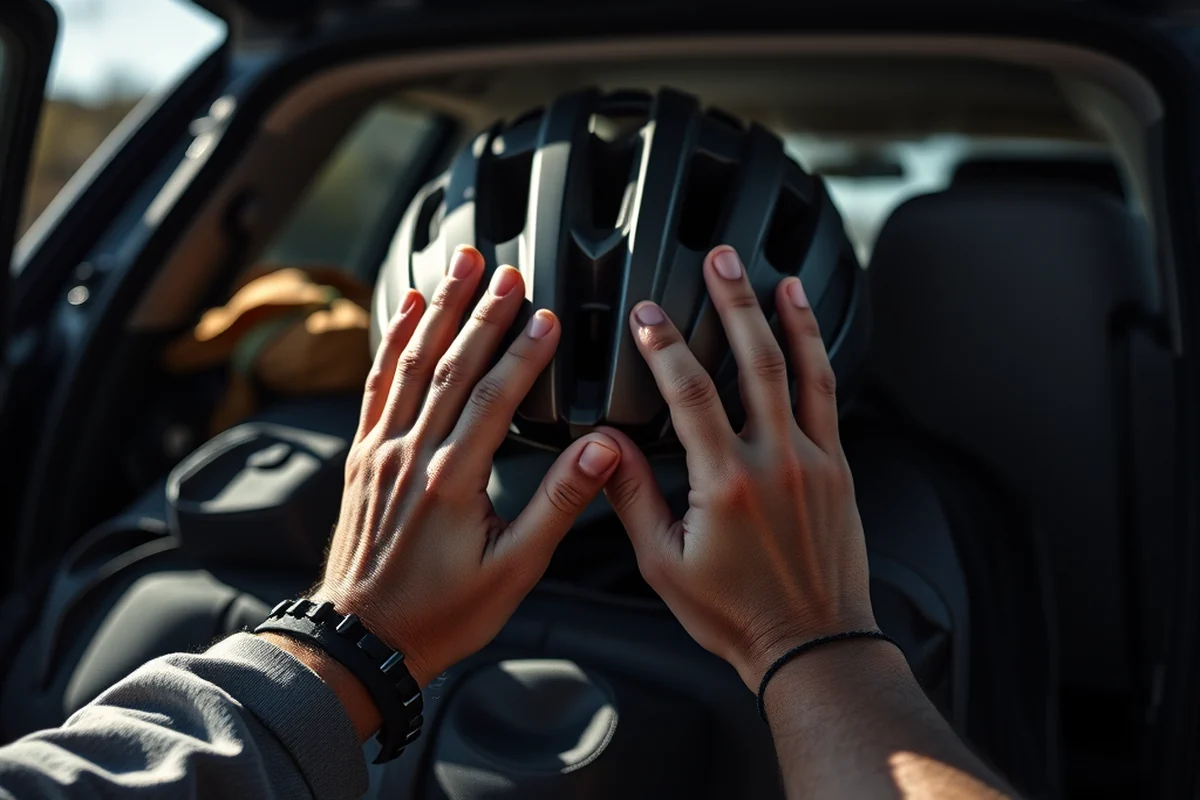
In the past, bicycle helmets were bulky and uncomfortable. They were designed for mountain biking and didn’t suit the lighter, more flexible needs of city cyclists. But now, helmets are more streamlined, lightweight, and designed with comfort in mind. I’ve used a helmet that weighs less than 300 grams and is so light that I forget I’m wearing it after the first five minutes of riding.[1]
Modern helmets are also more versatile. Some are designed for urban riding, with features like reflective surfaces and integrated lights. Others are built for long-distance travel, with extra padding and a more secure fit. I’ve found that the best helmets for travelers have a combination of these features, making them suitable for both short trips and longer journeys.
I’ve also noticed that the materials used in helmets have improved significantly. Helmets now use advanced foams and composites that provide better impact protection without adding extra weight. This is a huge improvement from the older models I used in the past, which were uncomfortable and didn’t offer the same level of protection.
A modern helmet is a blend of safety, comfort, and style.
Related: What is the best motorcycle insurance
Choosing the Right Helmet for Your Travel Style
If you’re planning a short trip with a few city rides, a lightweight helmet with good ventilation is ideal. I’ve used a helmet like this for a three-day trip in Rome, and it was perfect for the heat and the long hours on the road. It stayed in place, didn’t get hot, and didn’t interfere with my ability to explore the city.
For longer trips, especially those that involve mountain biking or rough terrain, a more robust helmet with extra padding and a secure fit is better. I’ve taken a helmet like this on a five-day mountain biking trip in the Alps, and it made all the difference in terms of comfort and protection.
It’s also important to consider the aesthetics of the helmet. I’ve found that a helmet that matches your personal style can make a trip more enjoyable. I’ve used helmets in different colors and designs, and it’s amazing how much a small detail like this can affect your overall experience.
For city riding, look for lightweight and ventilated helmets. For mountain biking, choose one with extra padding and a secure fit.
“I still remember the first time I put on a bicycle helmet and felt the weight of it pressing against my head, a quiet but…”— Urban Cycling Tours editors
Related: Best e bike brands
The Role of a Bicycle Helmet in Safety
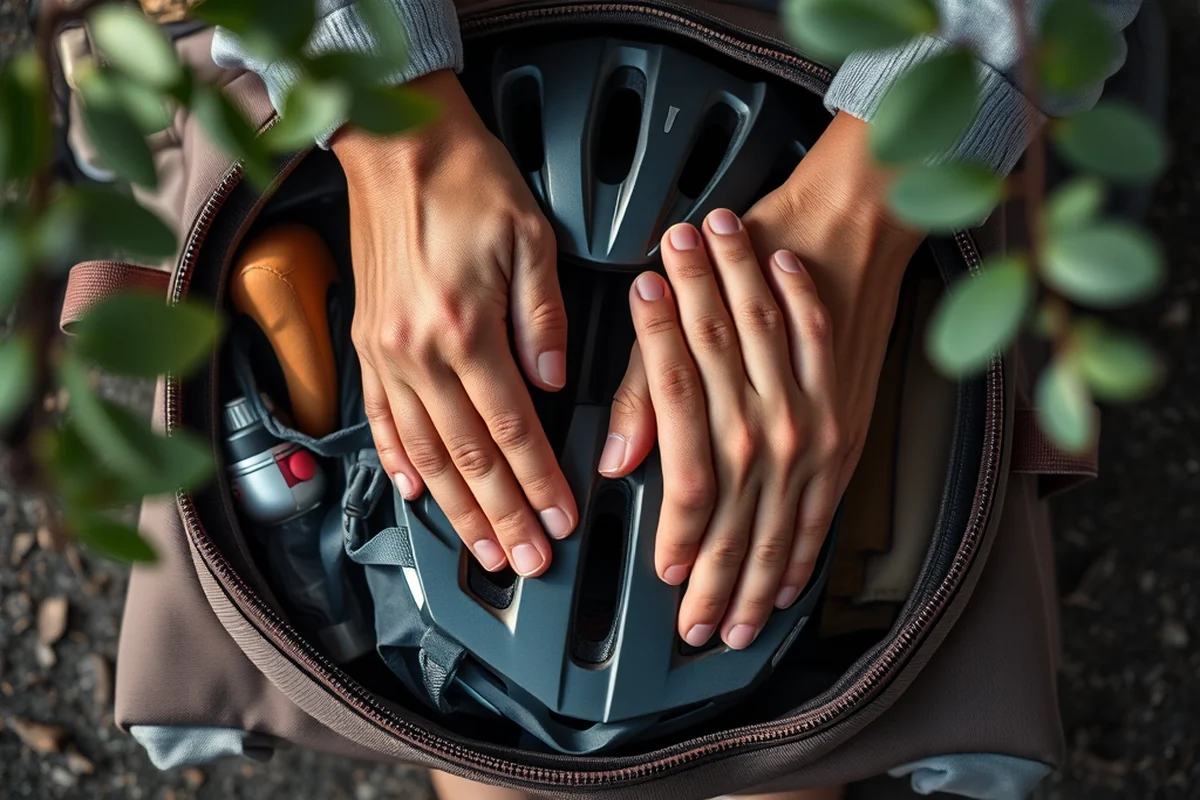
I’ve seen firsthand how a helmet can make a difference in a serious accident. During a ride in Prague, I was involved in a minor collision, and my helmet protected me from a potential head injury. I know that without it, the outcome could have been much worse. This is why it’s so important to always wear a helmet when riding, no matter how short or simple the trip.
Statistics show that wearing a helmet can reduce the risk of head injury by up to 85% in the event of a collision. I’ve read these numbers many times, but it wasn’t until I experienced the protection firsthand that I truly understood the importance of it. Now, I always make sure to wear a helmet, even for the shortest ride.[2]
I’ve also found that helmets are often overlooked in travel planning. It’s easy to focus on the destination and the route, but forgetting the basics like a helmet can put your safety at risk. I’ve made a point of always checking that my helmet is in good condition and fits properly before starting any trip.
Related: Outdoor gear review
How to Maintain Your Bicycle Helmet
I’ve learned that cleaning your helmet regularly is an important part of maintenance. I use a mild soap and water to clean the exterior, and I make sure to dry it thoroughly before storing it. This helps prevent the buildup of dirt and grime that can affect the helmet’s performance.
I also check for any signs of wear and tear, like cracks or dents, that might affect the helmet’s ability to protect me. I’ve had to replace a helmet once after a minor accident, and it was a small but necessary investment in my safety.
Storing the helmet properly is another important step. I keep mine in a dry place, away from direct sunlight, to prevent the materials from degrading over time. This helps ensure that the helmet continues to offer the same level of protection for years to come.
Related: A dirt bike helmet
The Impact of a Bicycle Helmet on Your Travel Experience
When I first started using a high-quality helmet, I noticed a difference in how I felt while riding. I was more comfortable, more confident, and more relaxed. It’s amazing how something as simple as a helmet can affect your overall experience.
I’ve found that a good helmet can also help you focus more on the journey and less on the potential risks. When I know I’m protected, I can enjoy the scenery, the sounds, and the feeling of the wind against my face without constantly worrying about safety.
I’ve also noticed that other cyclists seem to appreciate the way I wear my helmet. It’s a sign of respect for the road and for the journey, and it helps create a sense of community among riders. That’s something I didn’t expect, but it’s a welcome side effect of using a helmet.
A helmet doesn’t just protect your head—it protects your travel experience.
Related: What is the best ev suv 2025
The Future of Bicycle Helmets in Travel
In recent years, I’ve seen the development of smart helmets that include features like built-in lights, GPS, and even air quality sensors. These innovations are already making their way into the market and are being used by travelers who want more from their gear.
I’ve tried one of these smart helmets on a trip in Amsterdam, and it was an eye-opening experience. The GPS helped me handle the city without needing to carry a phone, and the built-in lights made me more visible to other cyclists and drivers.
As these technologies continue to evolve, I believe we’ll see even more features that enhance the travel experience. Whether it’s through better safety features or more convenient design, the future of bicycle helmets is looking bright for travelers.
🚲 Budget Adventure
Travel on a budget with a simple, affordable helmet that still offers solid protection and comfort.
🌍 Long Weekend Getaway
Perfect for those short trips that require a helmet that’s both comfortable and durable for multiple days of riding.
👨👧👦 With Kids
Choose a helmet that’s safe and fun for the whole family, with designs and features that appeal to children and adults alike.
❄️ Off-Season Travel
Opt for a helmet that’s designed for colder weather, with extra insulation and a secure fit for rides in the snow or rain.
💎 Luxury Ride
Experience the pinnacle of comfort and style with a high-end helmet that offers advanced technology and superior protection.
| The mistake | Why it happens | The fix |
|---|---|---|
| Wearing a helmet that doesn’t fit properly. | A helmet that’s too loose or too tight can affect your comfort and safety during the ride. | Try on different models and choose one that fits snugly without slipping or causing discomfort. |
| Neglecting to clean your helmet regularly. | Grime and dirt can affect the performance of the helmet and reduce its lifespan. | Clean your helmet with mild soap and water, and dry it thoroughly after each use. |
| Using the same helmet for multiple trips without checking its condition. | Over time, the materials in the helmet can degrade, reducing its protective capabilities. | Inspect your helmet before each trip and replace it if you notice any signs of wear or damage. |
| Choosing a helmet based only on price rather than quality. | A cheap helmet may not offer the same level of protection or comfort as a higher-quality one. | Invest in a helmet that offers a balance between cost and safety, and look for reviews and recommendations from other travelers. |
A Bicycle Helmet
Common Questions
How do I choose the right helmet for my head shape?
Can I use the same helmet for both city and mountain biking?
How often should I replace my helmet?
What should I do if my helmet starts to feel loose?
References
- Bicycling Helmets, Signs, and Signals | Active Transportation Program (activetransportation.az.gov)
- Bicycle Safety | Boston.gov (boston.gov)
- Injury-Control Recommendations: Bicycle Helmets - CDC (cdc.gov)
- Bicycle Helmet Initiative - Connect NCDOT (connect.ncdot.gov)
Cite this guide
Urban Cycling Tours (2026). A Bicycle Helmet. https://cycleweave.com/a-bicycle-helmet/
Feel free to cite or share this guide.
Urban Cycling Tour Day Planner
Builds a timed urban cycling tour itinerary from distance, pace and stops.
Open it free →