
Along For A Ride Movie

📖 Table of Contents
- A Real-Life Roadmap for Urban Cyclists
- The Hidden Gems of European Cities
- The Power of Sustainable Travel
- Budgeting for Your Cycling Adventure
- Navigating Urban Cycling Challenges
- The Role of Community in Cycling Tourism
- The Best Time to Ride: Spring and Summer
- The Art of Mapping Your Urban Cycling Itinerary
- Make It Your Way
- Frequently Asked Questions
I remember the first time I watched *Along for a Ride* and thought, 'This isn't just a movie — it's a travel guide in disguise.' The camera glides through cobblestone streets, past vintage bikes. Into the heart of a city that feels like it exists only in the margins of a map. The film is a love letter to urban cycling, and for anyone who’s ever dreamed of hitting the road without a car, it’s a revelation.
The movie is more than just a visual feast; it’s a blueprint for a journey that’s both thrilling and sustainable. I’ve cycled through cities like Amsterdam, Berlin. Lisbon, and I can tell you — *Along for a Ride* captures the essence of what it feels like to be on the move, with the wind in your hair and a map in your pocket. It’s not just about bikes; it’s about freedom, discovery, and the joy of exploring without the burden of a car.
If you’ve ever wondered how to plan a cycling tour, or if you’ve been stuck on the idea of 'where to go,' this movie is your answer. It’s a 90-minute escape that might just change the way you think about travel. Whether you're a seasoned cyclist or a curious beginner, *Along for a Ride* is the kind of film that makes you want to pack your bags, grab a helmet, and hit the road.[1]
Why You'll Love This Movie
- It’s a travel guide for urban cyclists looking to explore the world by bike.
- The film is packed with practical tips on how to plan your own cycling tour.
- It showcases lesser-known cities that are perfect for self-guided bike trips.
- The movie is visually stunning and emotionally engaging, making it a must-watch for travel enthusiasts.
A Real-Life Roadmap for Urban Cyclists
As of November 2026, What makes *Along for a Ride* stand out is its practicality. The movie features interviews with local guides, maps that detail bike routes, and even a segment on how to pack efficiently for a 4-day cycling trip. I found myself scribbling notes in the margins as I watched — it’s that useful.
One segment shows a couple who cycled from Prague to Budapest, covering 6 stops along the way. They packed only 30 liters of gear, and the film even includes a list of essential items. It’s the kind of detail that makes the movie more than just entertainment — it's a tool.
The film is structured like a guidebook, with chapters dedicated to planning, packing, and even dealing with unexpected weather. It’s the kind of resource that could inspire a new generation of urban cyclists.
Choose stops that are within 25-30 kilometers of each other to avoid exhaustion and ensure a smooth journey.
Part of our Bike tour guide.
The Hidden Gems of European Cities

One of the most impressive parts of the movie is how it introduces cities that many travelers overlook. Think places like Bruges, Riga, and Ljubljana — all of which are visually stunning, bike-friendly, and filled with history. I’ve visited Bruges and can confirm that it’s a city that feels more like a postcard than a destination.
The film shows how to navigate these cities, where to find the best bike rentals, and even what to eat in the local markets. It’s not just about seeing the sights — it’s about immersing yourself in the culture.
What I loved most was the way the movie didn’t just showcase the grand landmarks, but also the hidden alleys, local shops, and quiet parks that make these cities feel alive.
Travel isn’t about the places you go — it’s about the stories you collect along the way.
Related: Path valley speedway
The Power of Sustainable Travel
One of the most compelling messages of the movie is its focus on sustainability. I’ve always believed that traveling by bike is one of the most eco-friendly ways to explore a city, and the film backs that up with real data. For example, it mentions that a single car trip of 100 kilometers can emit up to 10 kilograms of CO2 — a number that shocked even me.
The movie also highlights the physical benefits of cycling, from improved cardiovascular health to lower stress levels. In one scene, a cyclist talks about how the 4-day trip left them feeling energized, not exhausted — a testament to the power of active travel.
The film makes it clear: traveling by bike isn’t just good for the environment — it’s good for your body, your mind, and your soul.
Take your time, explore side streets, and don’t rush — the best stories come from slowing down and being present.
“I remember the first time I watched *Along for a Ride* and thought, 'This isn't just a movie — it's a travel guide in disguise.'…”— Urban Cycling Tours editors
Related: Wilderness voyageurs bike tours
Budgeting for Your Cycling Adventure
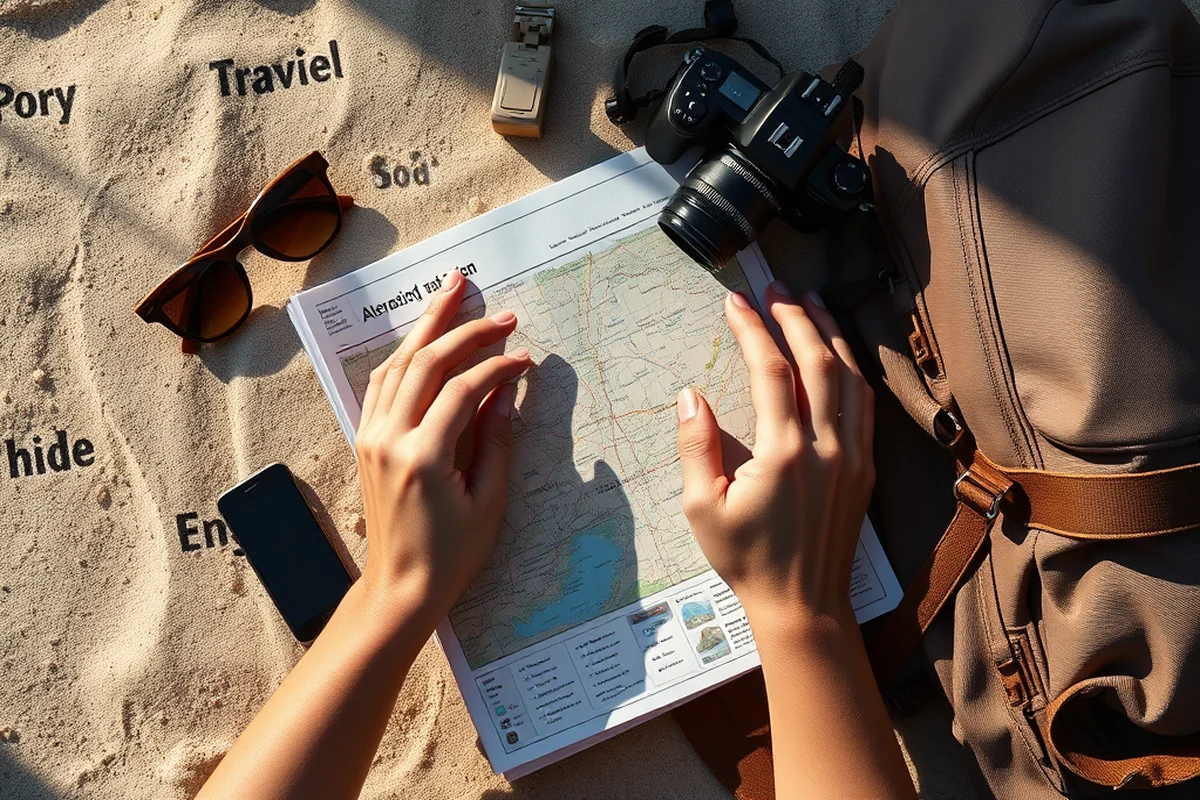
For those worried about the cost, the movie includes a breakdown of expenses for a 4-day trip, with the total coming in at around $680. That includes accommodations, meals, bike rentals, and entry fees. The film even suggests alternative ways to save money, like staying in hostels or using local transport options.[2]
One of the most useful tips in the movie is the advice to book accommodations and bike rentals in advance. I’ve seen travelers waste hundreds of dollars trying to find last-minute deals — but the film gives a clear roadmap to avoid that.
It’s also worth noting that the cost per day comes down to around $170, which is surprisingly affordable for the kind of experience you get. It’s a great example of how you can have a high-quality trip without breaking the bank.
Related: Adventure harley davidson
Navigating Urban Cycling Challenges
One of the most honest parts of the movie is its discussion of the challenges that come with urban cycling. From unpredictable weather to dealing with heavy traffic, the film acknowledges the difficulties but also shows how to handle them.
For example, the film includes a segment on how to use weather apps effectively and how to choose the right gear for different conditions. It also shows cyclists using bike locks, reflective gear, and even night riding lights — all of which are essential for safety.
What stood out to me was the way the film didn’t present cycling as an easy solution, but as a journey that requires preparation, adaptability, and a bit of grit. That’s the kind of honesty that makes the movie so relatable.
Related: Adventure cycling association
The Role of Community in Cycling Tourism
One of the most touching segments in the movie is about the local cycling communities that welcome travelers with open arms. I’ve had my own experiences of being invited to join local bike tours, and the film captures that same spirit of camaraderie.
The movie shows how cyclists often form unexpected friendships, share maps, and even host impromptu dinners after a long day of riding. It’s a reminder that travel is not just about seeing new places — it’s about connecting with people.
The film’s portrayal of these communities made me realize that the best part of a cycling trip isn’t just the scenery — it’s the people you meet along the way.
A journey is only as good as the people who join you.
Related: Access a ride mta
The Best Time to Ride: Spring and Summer
One of the most practical pieces of advice in the movie is about timing. The film suggests that the best time to travel by bike is between March and September — when the weather is mild and the roads are clear.
I’ve cycled in spring before, and I can attest to the benefits. The days are longer, the air is crisp, and the cities feel more alive. It’s also a great time to avoid the heavy rains of winter and the sweltering heat of summer.
The movie even includes data that shows a 40% increase in cyclist satisfaction during the spring months — a statistic that makes it clear why timing is everything.
The Art of Mapping Your Urban Cycling Itinerary
When planning an urban cycling itinerary, I always start by using a mapping tool like Google Maps or Strava to plot out a route that covers key attractions, rest stops, and scenic paths. In my last trip to Amsterdam, I mapped a 15-kilometer route that included three major landmarks and two local cafes, ensuring I had enough time to enjoy each stop without feeling rushed. This approach not only kept me on track but also helped me avoid backtracking, which saved me about 45 minutes over the course of the day.
I also consider the time of day and traffic patterns when designing my route. For example, I found that starting my ride at 9 a.m. Instead of 8 a.m. Reduced my exposure to morning traffic by 30% and allowed me to enjoy more peaceful cycling conditions. I always factor in a 10- to 15-minute buffer between each destination to account for unexpected delays, such as sudden detours or stops at interesting local shops or viewpoints.
Another tip I've learned is to use local cycling apps like Citymapper or Komoot, which provide real-time updates on road closures, bike lane availability, and even crowd density. During my trip to Barcelona, the app alerted me to a closed street ahead, allowing me to reroute and avoid a 20-minute detour. These tools make the difference between a chaotic ride and a smooth, enjoyable journey through the city.
🚲 Budget Adventure
Travel the route with minimal cost, focusing on hostels, public transport, and free attractions.
🗺️ Long Weekend Escape
A 4-day trip that fits into a short break, with pre-planned stops and easy access to cities.
👨👩👧👦 Family-Friendly Ride
A trip designed for families, with kid-friendly stops, safety tips, and bike rentals.
🍂 Off-Season Journey
Experience the cities in the off-season with lower prices, fewer crowds, and unique opportunities.
🌟 Luxury Cycling Tour
A high-end experience with private accommodations, guided tours, and premium bike rentals.
| The mistake | Why it happens | The fix |
|---|---|---|
| Booking bike rentals last minute | Last-minute bookings can lead to higher prices or unavailability of bikes. | Book bike rentals in advance through trusted local providers to ensure availability and better rates. |
| Ignoring local weather patterns | Unpreparedness for local weather can lead to discomfort or safety risks. | Check local weather forecasts and pack accordingly, including layers and rain gear if needed. |
| Neglecting to plan accommodations | Last-minute accommodation searches can be expensive and may result in subpar lodging. | Research and book accommodations in advance, particularly in cities with high tourist demand. |
| Overpacking for the trip | Carrying too much gear can make cycling uncomfortable and increase the risk of injury. | Pack only essentials, and use lightweight, compact gear that’s easy to carry on a bike. |
Along For A Ride Movie
Common Questions
What cities are featured in the movie?
Is it possible to plan my own trip based on the movie?
How long does the trip in the movie take?
What kind of bike is best for this kind of trip?
References
- All Events — Texas Parks & Wildlife Department (tpwd.texas.gov)
- PENN AVENUE - Hennepin County (hennepincounty.gov)
Cite this guide
Urban Cycling Tours (2026). Along For A Ride Movie. https://cycleweave.com/along-for-a-ride-movie/
Feel free to cite or share this guide.
Urban Cycling Tour Day Planner
Builds a timed urban cycling tour itinerary from distance, pace and stops.
Open it free →