
What Is A Bike Power Meter

📖 Table of Contents
I remember the first time I rode a bike with a power meter — it felt like having a personal trainer on my handlebars, whispering in my ear as I climbed that infamous hill in San Francisco. That's the real power of a bike power meter: it transforms cycling from an abstract challenge into a measurable, trackable, and even enjoyable experience. If you've ever wondered, 'What is a bike power meter?' this is your guide to understanding how it can change your ride, whether you're a casual commuter or a serious cyclist.[1]
When I first installed my power meter, I was skeptical. I had heard about cyclists using these devices, but I couldn't grasp how they worked or why they mattered. The truth is, a power meter gives you precise data about your effort, allowing you to push harder on the flats, pace yourself on climbs, and even recover more effectively between rides. That's not just a feature — it's a game-changer for anyone who wants to take their cycling seriously.
As I began using a power meter, I discovered that it was more than a tool for performance. It became a companion on my rides, helping me stay consistent, track my progress, and even improve my technique. Whether you're training for a marathon or just trying to stay active, a power meter can be the missing piece that turns your cycling into a real journey of growth and discovery.[2]
Why You'll Love This Ride
- Track your effort with precision and consistency.
- Improve your performance with real-time feedback.
- Stay motivated with measurable progress.
- Tailor your training to specific goals.
What Exactly Is a Bike Power Meter?
As of October 2026, a power meter is essentially a sensor that measures how much force you're applying to the pedals and how fast you're turning them. This combination of force and speed gives you the exact number of watts you're producing. Think of it like a heart rate monitor, but instead of telling you how hard your heart is working, it tells you how much power your legs are generating.[3]
Power meters can be installed on different parts of the bike — the crankset, the pedals, or even the hub — and they all do the same basic job: measure power. The more advanced models can even sync with your smartphone or cycling app, giving you detailed reports on your performance over time. This data can help you identify your strengths and weaknesses and adjust your training accordingly.[4]
For example, if you're training for a time trial, a power meter can help you maintain a consistent power output throughout the entire race, ensuring you don’t burn out too early. It’s like having a coach on your bike, constantly guiding you toward your best performance.
Before you start using a power meter, take some baseline measurements during a casual ride. This will help you understand how your power output varies under different conditions and allow you to set realistic goals.
How Does a Power Meter Work?
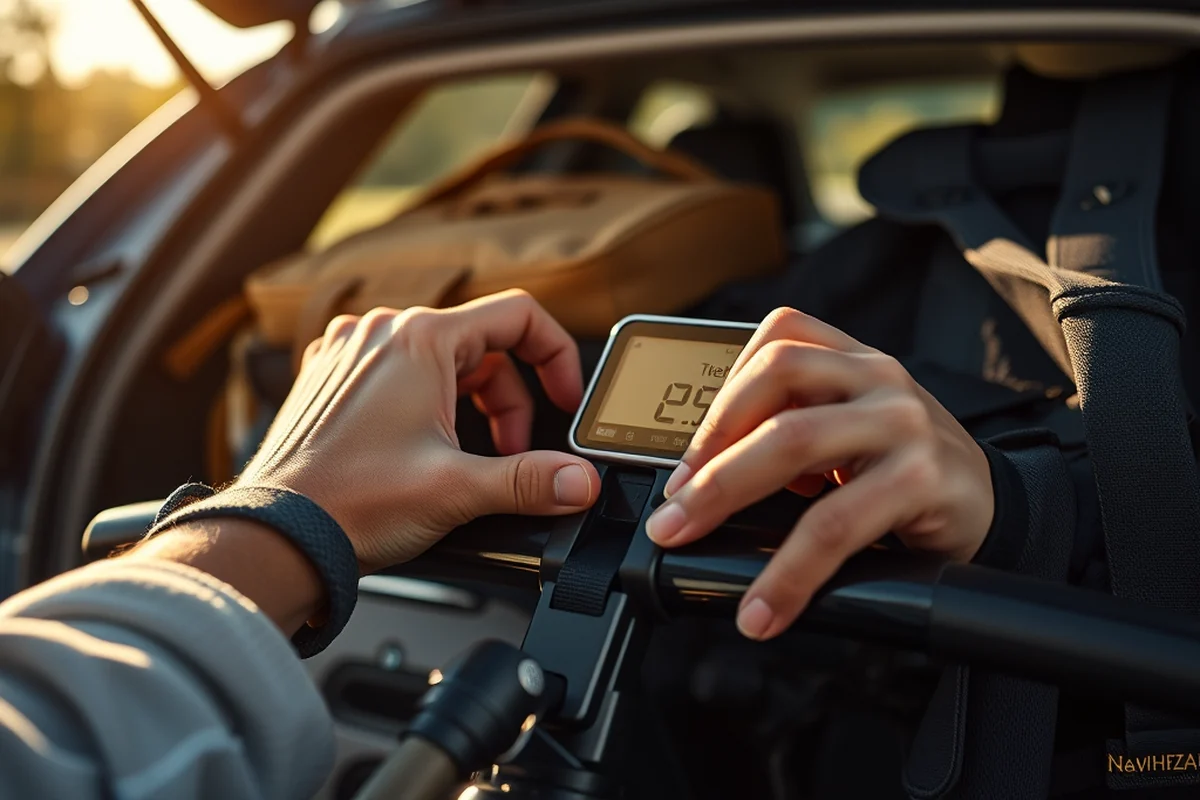
At the heart of every power meter is a strain gauge — a tiny sensor that detects changes in pressure as you pedal. These sensors send data to a small computer inside the power meter, which uses that information to calculate your power output in real time. The result is displayed on your handlebars, smartphone, or cycling computer.
The calculation involves both the force you’re applying and the speed at which you're pedaling. For example, if you're pushing hard on the pedals but spinning slowly, the power meter will show a high wattage. If you're spinning quickly with less force, the wattage will be lower. This distinction is crucial for understanding how your effort translates into actual performance.
Advanced power meters can even track other metrics like heart rate, cadence, and even elevation. This additional data gives you a complete picture of your cycling performance, making it easier to tailor your training to specific goals.
Power meters give you the numbers that make a difference.
Related: Urban bikes electric scooter
Why Use a Power Meter?
One of the biggest advantages of a power meter is that it eliminates the guesswork from training. You no longer have to rely on how you feel or how fast you’re going — the power meter gives you objective data that you can use to improve your performance. This is especially useful for cyclists who are training for specific events or trying to build endurance.
Another benefit is that power meters allow you to track your progress over time. If you're training for a long ride, you can see exactly how much power you're generating now versus a few weeks ago. This kind of measurable progress is incredibly motivating and can help you stay on track with your goals.
Finally, power meters can help you avoid overtraining. If you're pushing too hard, your power meter will show it — and you can adjust your effort accordingly. This makes them an essential tool for cyclists who want to stay healthy and perform at their best.
Use your power meter not just to measure how hard you're working, but to see how your performance improves over time. This will help you stay motivated and make sure you're training effectively.
“I remember the first time I rode a bike with a power meter — it felt like having a personal trainer on my handlebars, whispering…”— Urban Cycling Tours editors
Related: Urban cycle battery wali
Types of Power Meters
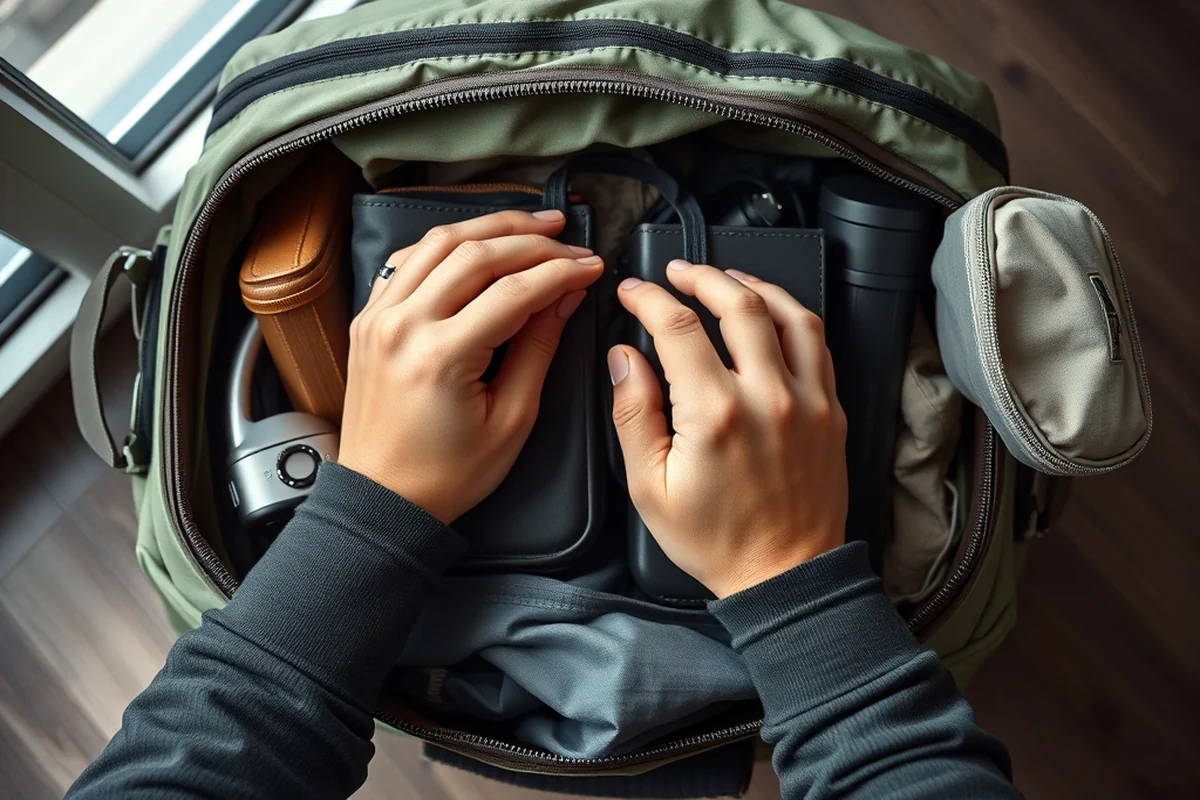
Crank-based power meters are installed on the crankset of the bike and are known for their accuracy. They are a popular choice among serious cyclists because they don’t add much weight to the bike and are relatively easy to install. However, they can be more expensive than other types of power meters.
Pedal-based power meters are installed on the pedals and are a good choice for riders who want to keep their bike’s existing components intact. These meters are also more affordable and can be used on a variety of bikes, including road, mountain, and gravel bikes. However, they can be heavier than crank-based meters.
Hub-based power meters are installed in the hub of the wheel and are the least invasive option. They are ideal for riders who want to avoid adding any extra weight or components to their bike. However, they are generally more expensive and can be less accurate than other types of power meters.
Related: Urban cycle battery
How to Use a Power Meter Effectively
The first step to using a power meter effectively is to understand your power output. This means knowing your Functional Threshold Power (FTP) — the maximum power you can sustain for about an hour. Once you have this number, you can use it to set training zones and track your progress over time.
Setting realistic goals is also essential. If you're training for a specific event, your power meter can help you create a training plan that builds up to that goal. For example, if you're training for a century ride, you can use your power meter to build up your endurance and make sure you're prepared for the long haul.
Finally, using the data from your power meter to adjust your training is crucial. If you're not hitting your targets, you may need to adjust your training plan or focus on different aspects of your performance. This kind of data-driven approach is what makes power meters so valuable for cyclists of all levels.
Related: Why electric scooter
The Best Power Meters for Cyclists
The PowerTap is a hub-based power meter that is known for its reliability and accuracy. It’s a popular choice among cyclists who want to avoid adding any extra weight or components to their bike. However, it can be more expensive than other options.
The Wahoo is a pedal-based power meter that is known for its affordability and ease of use. It’s a good choice for riders who want a more budget-friendly option without sacrificing too much in terms of performance. However, it can be slightly heavier than other types of power meters.
The Garmin is a crank-based power meter that is known for its accuracy and integration with other Garmin devices. It’s a popular choice among serious cyclists who want to track their performance in real time and use the data to improve their training.
Choose the right power meter for your needs and goals.
Related: Best ev 2027
The Future of Power Meters
Advancements in sensor technology are already making power meters more accurate and reliable. These improvements are helping cyclists get more precise data about their performance, allowing them to train more effectively and achieve better results.
Another exciting development is the integration of power meters with other cycling devices. For example, some power meters now sync with GPS devices and heart rate monitors, giving cyclists a complete picture of their performance. This kind of integration is making power meters more valuable than ever before.
Finally, the future of power meters may include artificial intelligence and machine learning. These technologies could help cyclists get personalized training recommendations based on their performance data, making it even easier to achieve their goals and improve their performance.
💰 Budget Power Meter
Looking for an affordable option that still delivers reliable data? The Wahoo pedal-based power meter is a great choice for cyclists on a budget.
🚴 Long Weekend Ride
Whether you're exploring a new city or hitting the trails, a power meter can help you make the most of your long weekend with measurable progress and real-time feedback.
👨👧 With Kids
A power meter can help you stay motivated and track your progress even when you're cycling with kids. It's a great way to stay active as a family and have fun at the same time.
❄️ Off-Season Training
Even when the weather is less than ideal, a power meter can help you stay on track with your training and make the most of your off-season.
💎 Luxury Power Meter
For cyclists who want the best, a high-end power meter like the Garmin crank-based model offers unmatched accuracy and integration with other cycling devices.
| The mistake | Why it happens | The fix |
|---|---|---|
| Not calibrating the power meter regularly. | Power meters can drift over time, leading to inaccurate readings if they’re not calibrated regularly. This can affect the accuracy of your training data and make it harder to track your progress. | Make sure to calibrate your power meter before each ride, or at least once a week, to ensure accurate readings. |
| Ignoring the data from the power meter. | A power meter is only as useful as the data you take from it. If you ignore the information it provides, you miss out on valuable insights that can help you improve your performance. | Use the data from your power meter to track your progress and adjust your training accordingly. This will help you make the most of your investment in the device. |
| Choosing the wrong type of power meter for your needs. | Power meters come in different types and price ranges, each with its own advantages and disadvantages. Choosing the wrong one for your needs can lead to frustration and a less effective training experience. | Research the different types of power meters and choose one that fits your budget, riding style, and goals. This will help you get the most out of your device. |
| Overtraining based on power meter data. | While a power meter can help you train more effectively, it's important to avoid overtraining by pushing too hard based on the data. This can lead to injury or burnout. | Use the data from your power meter to set realistic goals and adjust your training plan accordingly. This will help you stay healthy and perform at your best. |
What Is A Bike Power Meter
Common Questions
How accurate are power meters?
Do I need a power meter for casual cycling?
How much do power meters cost?
Can I use a power meter on any bike?
References
- For many years I rode my bike in the ACFL trails. As ... - Anacortes, WA (anacorteswa.gov)
- Validity of the Quarq Cycling Power Meter - PMC (pmc.ncbi.nlm.nih.gov)
- Literature Review of Bicycle and E-bike Research, Policies ... (assets.bouldercounty.gov)
- Racing And Training With A Power Meter (training.jacksonms.gov)
Cite this guide
Urban Cycling Tours (2026). What Is A Bike Power Meter. https://cycleweave.com/what-is-a-bike-power-meter/
Feel free to cite or share this guide.
Urban Cycling Tour Day Planner
Builds a timed urban cycling tour itinerary from distance, pace and stops.
Open it free →