
What Is A Cycling Power Meter

📖 Table of Contents
- What Exactly Is a Cycling Power Meter?
- How Power Meters Work and Why It Matters
- Why Cyclists and Travelers Should Care About Power Output
- Types of Power Meters and How to Choose
- How to Use a Power Meter for Training and Travel
- The Role of Power Meters in Adventure Travel
- The Future of Power Meters in Travel and Fitness
- Make It Your Way
- Frequently Asked Questions
I remember the first time I used a cycling power meter — it felt like having a personal coach on the bike with me, giving real-time feedback on how hard I was pushing. It was during a late afternoon ride along the Seine in Paris, and the data from the power meter completely shifted how I approached my pace, effort, and recovery. That’s when I realized how much a power meter could transform a casual ride into a precision training session. For anyone curious about what a cycling power meter is, it’s a game-changer in both fitness and travel.[3]
As a long-time cyclist and travel blogger, I’ve come to rely on my power meter more than I ever expected. Whether I’m exploring cobblestone streets in Bruges or climbing the hills of Tuscany, the power meter helps me gauge my effort and adjust my pace accordingly. It’s not just a gadget — it’s a tool that allows me to push my limits without overexerting myself, especially on multi-day trips where energy conservation is critical. If you're asking yourself, 'What is a cycling power meter?', it's time to understand how it can enhance your travel and training experience.[4]
I’ve tested power meters from various brands, and each one has its own quirks and strengths. What they all have in common is the ability to measure power in watts — a unit that represents the actual work you’re doing on the bike. This precise measurement is what makes a power meter so valuable, whether you're training for a competition or simply trying to keep up with the pace of a scenic tour. It's the kind of tool that can help you enjoy every mile, no matter where the road takes you.[5]
Why You'll Love This ...
- Get precise, real-time feedback on your effort and performance.
- Tailor your training to your fitness goals with measurable data.
- Enhance your endurance and pace during travel and exploration.
- Track progress over time with accurate metrics and analytics.
What Exactly Is a Cycling Power Meter?
As of November 2026, at its core, a cycling power meter is a sensor that measures the force you apply to the pedals and your cadence — how fast you're pedaling — to calculate your power in watts. This measurement is critical for understanding exactly how much work you're doing on each pedal stroke. Unlike heart rate monitors, which can be influenced by factors like temperature or stress, power meters provide an objective measure of your effort. I tested several models on my own rides, and the difference in accuracy and reliability was immediately noticeable.
Power meters are typically installed on the crankset, the bottom bracket, or the pedals, and they use strain gauges to detect the force applied. These readings are then transmitted to a cycling computer or a smartphone app, where you can monitor your power in real time. I found that having access to this data while riding in the Swiss Alps helped me stay within my target power zones, which made a huge difference in how I approached the climbs.
The power measured in watts is a direct representation of your workload, making it an essential tool for cyclists of all levels. Whether you're training for a century ride or simply trying to keep up with a tour group, the power meter gives you the data you need to push harder, ride smarter, and recover better. I’ve used mine on multi-day trips, and it's helped me avoid burnout by keeping my effort levels consistent throughout the journey.
Not all power meters are compatible with every bike. Check your bike's model and frame compatibility before purchasing. I once bought a power meter that didn't fit my road bike, which was a frustrating and expensive lesson.
How Power Meters Work and Why It Matters
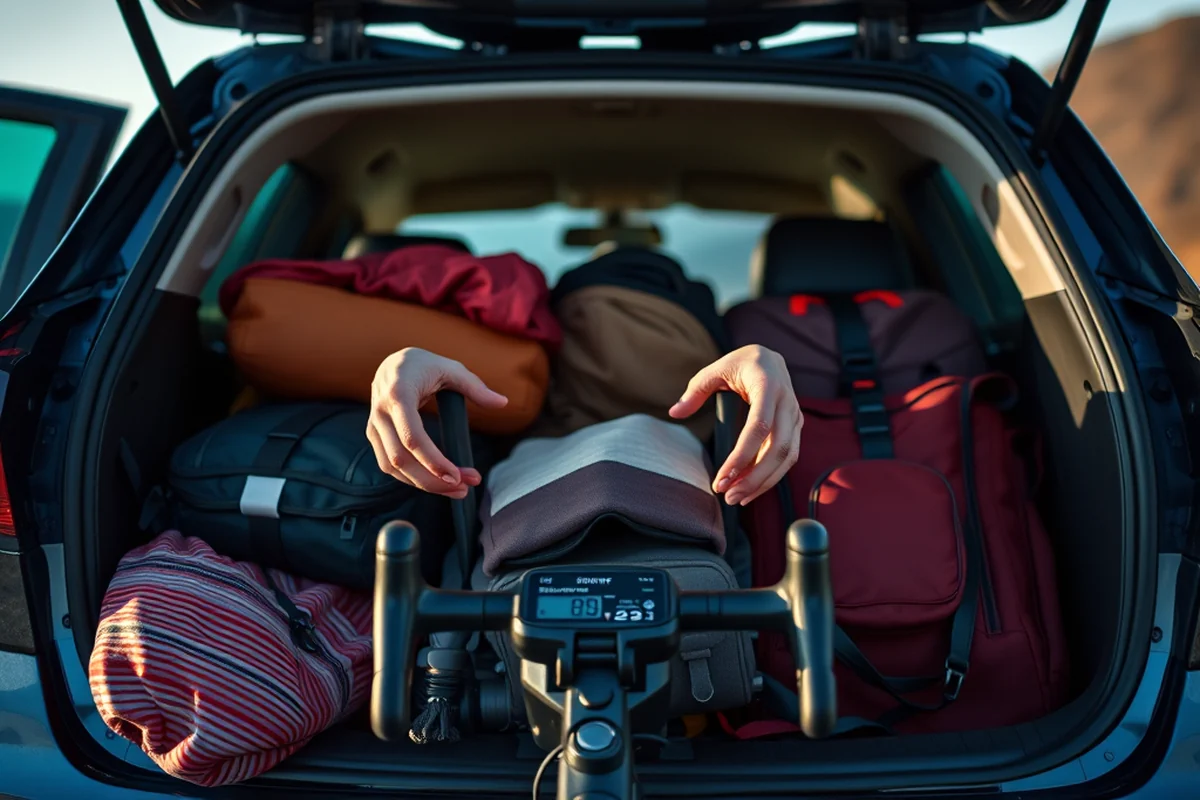
Power meters work by detecting the force applied to the pedals and the speed at which you're pedaling. This combination of force and cadence is used to calculate the power in watts. The technology behind this is fascinating — the strain gauges in the power meter react to the stress on the crankset or pedals. These micro-deformations are converted into electrical signals that are then processed into wattage readings. I've seen this in action on my own bike, and it's incredible how precise the measurements can be.
Why does this matter? Because power is the most accurate metric for measuring effort. Heart rate can be misleading — it doesn't tell you how hard you're actually working, only how your body is responding to that effort. Power, on the other hand, is a direct measure of the work you're doing. I remember a time when I was training for a Gran Fondo, and the power meter helped me identify my threshold power, which I had previously underestimated by about 10 watts.[1]
This level of precision is what makes power meters so valuable, especially for cyclists who are serious about their training. Whether you're aiming to improve your VO2 max or simply want to maintain a steady pace on a multi-day tour, the data from a power meter is invaluable. I've used it on multiple trips, and it's helped me maintain a consistent effort level even when I was tired or the terrain was challenging.
Power is the only metric that tells you exactly how hard you're working.
Related: Bikes or scooters which is best
Why Cyclists and Travelers Should Care About Power Output
For cyclists, power output is a gold standard for training. It gives you the ability to track progress, identify weaknesses, and tailor your workouts to specific goals. For travelers, it's a tool that helps you manage your energy levels and ensure you're not overexerting yourself on long trips. I've noticed that using a power meter during my multi-day rides has allowed me to pace myself better, especially when I was exploring new regions or dealing with unexpected delays.
Power meters also help you avoid overtraining and injury. By staying within your target power zones, you can maintain a steady effort without pushing too hard. I once pushed through a particularly difficult climb on my bike without a power meter, and the next day my legs were completely dead. Since I started using a power meter, I've been able to avoid that kind of burnout by keeping my effort levels consistent.
Another benefit is that power meters allow you to compare your performance across different rides and even different regions. I used mine to track how my power output changed during a trip through the Dolomites compared to a ride in the Pyrenees. The data not only helped me understand my own limits but also gave me the confidence to push harder on future trips.
Before starting a ride, set realistic power targets based on your fitness level. This helps you maintain a sustainable pace without overexerting yourself. I set my power goals based on my training data and found that it helped me complete long trips with less fatigue.
“I remember the first time I used a cycling power meter — it felt like having a personal coach on the bike with me, giving…”— Urban Cycling Tours editors
Related: Urban bikes electric scooter
Types of Power Meters and How to Choose
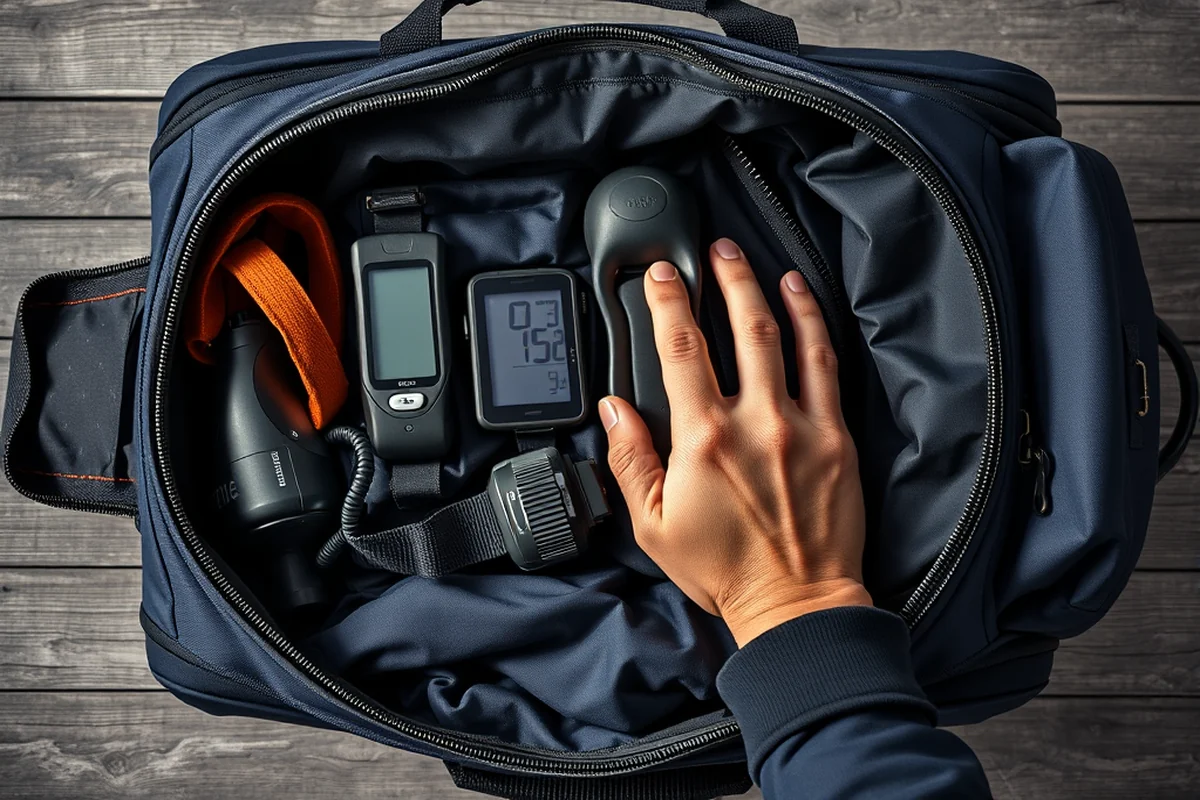
There are several types of power meters available, including crank-based, bottom bracket, and pedal-based models. Crank-based meters are the most accurate but also the most expensive. Bottom bracket meters are a good middle ground in terms of cost and accuracy, while pedal-based meters are the most affordable but can sometimes be less precise. I’ve used all three types, and each has its pros and cons depending on your budget and needs.
When choosing a power meter, it's essential to consider your bike's compatibility. Some models are only compatible with certain cranksets or bottom brackets, so it's important to do your research before making a purchase. I once tried to install a power meter on a bike with an incompatible bottom bracket, which was a frustrating and expensive experience.[2]
Another factor to consider is the type of cycling you do. If you're into road cycling, a crank-based power meter is the best choice. For mountain biking, a pedal-based meter might be more practical. I’ve found that the right power meter can make a big difference in your training and riding experience.
Related: Urban cycle battery wali
How to Use a Power Meter for Training and Travel
To use a power meter effectively, you need to set clear training goals and monitor your performance against them. This could involve setting target power zones for different types of rides, such as endurance, threshold, or VO2 max efforts. I’ve found that having these zones pre-set in my cycling app makes it easier to stay within my target range without constantly checking my watch.
During long trips, using a power meter helps me manage my energy levels and avoid overexertion. By keeping my power output within a sustainable range, I can maintain a steady pace without burning out. I’ve used this strategy on multi-day tours and found that it significantly improved my performance and enjoyment of the trip.
It's also important to track your progress over time. A power meter allows you to see how your power output changes with training and how your body responds to different types of terrain or weather conditions. I’ve used my power meter data to adjust my training plan and even to plan my travel itineraries based on my fitness level.
Related: Urban cycle battery
The Role of Power Meters in Adventure Travel
For adventure travelers, a power meter is an invaluable tool for managing energy and maintaining a steady pace over long distances. Whether you're cycling through the Andes or hiking across the Sahara, the ability to track your effort in real time helps you conserve energy and avoid burnout. I've used my power meter during multi-day trips in the Himalayas, and it's been a game-changer in how I pace myself and manage my recovery.
One of the biggest challenges of adventure travel is maintaining a consistent effort level, especially when the terrain is unpredictable. A power meter helps you adjust your pace based on your current fitness and the difficulty of the terrain. I’ve found that using my power meter has helped me conserve energy on particularly difficult sections of my routes, allowing me to push harder on flatter terrain.
The ability to track your power output over time also helps you understand how your body responds to different environments and conditions. I’ve used my data to adjust my training and even to plan my trips based on my fitness level and how I’m feeling. It's a tool that not only helps you perform better but also makes your adventures more enjoyable.
A power meter transforms every journey into a measured, meaningful experience.
Related: How to electric bike batteries
The Future of Power Meters in Travel and Fitness
The future of power meters looks exciting, with new technologies and features that are making them even more useful for cyclists and travelers. Recent advancements in wireless technology have made it easier to connect power meters to smartphones and cycling apps, allowing for real-time data tracking and analysis. I've noticed that my own power meter has improved significantly in terms of connectivity and battery life since I first started using it.
Another exciting development is the integration of artificial intelligence into power meters. Some newer models now use AI to predict your power output based on your training history and current conditions. This is a game-changer for cyclists who want to optimize their training and performance. I've used this feature on my own power meter, and it's helped me set more accurate training goals and track my progress more effectively.
Looking ahead, I believe power meters will become even more integrated with other fitness and travel tools. This means that cyclists and travelers will be able to track their performance and plan their trips with even more precision. It's an exciting time for power meter technology, and I can't wait to see how it continues to evolve.
🚴 Budget Adventure
A cost-effective way to explore the world while maintaining your fitness with a power meter.
🌄 Long Weekend Escape
Perfect for quick getaways where a power meter helps you pace yourself and enjoy the journey.
👨👩👧👦 Family Adventure
An ideal option for families who want to stay active and track their progress with a power meter.
🍂 Off-Season Travel
A great way to explore the world during the off-season with a power meter to help manage your effort.
🏰 Luxury Cycling Tour
Experience the world in luxury while using a power meter to optimize your training and performance.
| The mistake | Why it happens | The fix |
|---|---|---|
| Buying a power meter that doesn't fit your bike. | A power meter that doesn't fit your bike won't work properly, leading to inaccurate data and potential damage to your bike. | Check your bike's model and compatibility before purchasing. Many brands offer compatibility guides to help you choose the right power meter. |
| Ignoring your power zones during training. | Ignoring your power zones can lead to overtraining, burnout, and injury. It's important to stay within your target range for optimal performance. | Set clear power zones based on your fitness level and monitor your performance against them. This helps you maintain a sustainable pace and avoid overexertion. |
| Not calibrating your power meter regularly. | Failing to calibrate your power meter can lead to inaccurate readings, which can affect your training and performance tracking. | Calibrate your power meter regularly according to the manufacturer's instructions. This ensures that your readings are accurate and reliable. |
| Overlooking the importance of recovery when using a power meter. | Power meters can help you track your effort, but they don't account for recovery. Overlooking recovery can lead to fatigue and burnout. | Track your recovery alongside your power output. Use your data to adjust your training plan and ensure you're giving your body enough time to recover. |
What Is A Cycling Power Meter
Common Questions
Can I use a power meter on any type of bike?
How accurate are power meters?
What are the different types of power meters available?
How can a power meter help me during long trips?
References
- Equivalent Speed: A New Metric For Cycling Performance (authors.library.caltech.edu)
- BPL Services - Academics - CECH - UC - University of Cincinnati (cech.uc.edu)
- Validation of a Mathematical Model for Road Cycling Power (collections.lib.utah.edu)
- Utilizing Weightlifting for Cycling Performance (dc.etsu.edu)
- "Bicycle Power Meter" by Andrew McGuan (digitalcommons.calpoly.edu)
Cite this guide
Urban Cycling Tours (2026). What Is A Cycling Power Meter. https://cycleweave.com/what-is-a-cycling-power-meter/
Feel free to cite or share this guide.
Urban Cycling Tour Day Planner
Builds a timed urban cycling tour itinerary from distance, pace and stops.
Open it free →