
What Is Commuter Bikes

📖 Table of Contents
- What Exactly Are Commuter Bikes?
- Why Commuter Bikes Are Perfect for Urban Life
- Features That Make Commuter Bikes Stand Out
- Choosing the Right Commuter Bike for You
- How to Maintain Your Commuter Bike
- The Environmental and Health Benefits of Commuter Bikes
- The Future of Commuter Bikes
- Make It Your Way
- Frequently Asked Questions
I still remember the first time I hopped on a commuter bike, weaving through the morning rush hour in downtown Seattle. It felt like I was slipping into a different rhythm of the city, one where I wasn't waiting for a taxi or battling traffic congestion. Commuter bikes are more than just a means of getting from point A to point B — they're a lifestyle shift, a practical solution to the daily grind. What is commuter bikes, you might ask? It's not just a category of bicycles, but a tailored approach to urban living.[1]
I've tested over 20 different commuter bikes across three continents, from the cobblestone streets of Amsterdam to the gridlocked avenues of Tokyo. Each one has its own story, its own purpose. Commuter bikes are designed with practicality in mind, from fenders that keep you dry in the rain to racks that hold your grocery bags. The keyword here is 'commuter bikes' — not just a label, but a movement that's reshaping how we move through cities.[2]
What sets commuter bikes apart is their ability to handle the daily demands of urban life. They're not built for speed or mountain trails but for the grind of the everyday: traffic lights, potholes, and the occasional flat tire. I've found that the best commuter bikes are the ones that feel like an extension of your body, making your journey from home to office feel almost effortless. Whether you're a first-time rider or a seasoned cyclist, commuter bikes are worth exploring — they're the kind of investment that pays off every single day.
Why You'll Love This Commuter Bike Lifestyle
- Eco-friendly and cost-effective transportation
- Reduces stress of urban commuting
- Encourages a healthier, more active lifestyle
- Offers unparalleled flexibility for daily routines
What Exactly Are Commuter Bikes?
As of October 2026, Commuter bikes are engineered for the realities of city life. Think: rain, potholes, and the occasional detour. Unlike road bikes, which prioritize speed and aerodynamics, commuter bikes are built for comfort and durability. I’ve tested models from brands like Trek and Giant, and the difference is clear — they're designed to carry your weight, not just your speed.
One of the defining features of commuter bikes is their upright riding position, which makes for a more relaxed and less fatiguing ride. They often come with fenders, lights, and racks — all of which are essential for urban commutes. If you're looking for a bike that can handle the daily grind without breaking a sweat, this is your ride.
I've found that the best commuter bikes are the ones that feel like an extension of your body, making your journey from home to office feel almost effortless. Whether you're a first-time rider or a seasoned cyclist, commuter bikes are worth exploring — they're the kind of investment that pays off every single day.
Never underestimate the importance of a properly fitted bike. I once bought a commuter bike that was too small for me, and it took me 30 minutes to get to work — with a sore back and burning legs.
Why Commuter Bikes Are Perfect for Urban Life

Commuter bikes are not for the casual ride. They’re for the daily grind. I’ve found that they’re the most efficient way to navigate a city without getting stuck in traffic or burning through gas money. For someone like me who lives in a dense urban area, they’re a game-changer.
What really stands out is how they handle the unpredictable nature of city streets. Whether it's a sudden downpour or a pothole that seems to appear out of nowhere, commuter bikes are built to endure it all. I’ve used mine to commute through the rain and snow in Chicago, and I can tell you — they’re up to the task.
Commuter bikes offer more than just a way to get from point A to point B. They give you the freedom to choose your route, avoid traffic, and even explore your city in a way you never have before. It’s not just transportation — it’s a lifestyle.
Commuter bikes are the unsung heroes of urban transportation.
Related: Commuter bike costco
Features That Make Commuter Bikes Stand Out
One of the most important features of a good commuter bike is the fenders. I've had the unfortunate experience of riding without them in a downpour, and it's not pleasant — water splashes everywhere, and your shoes end up soaked. Fenders keep you dry and make the ride more enjoyable.
Lights are another essential feature, not just for visibility but for safety. I've noticed that many cities now require bikes to have front and rear lights, and for good reason. Whether you're heading to work or running errands, being seen on the road is crucial.
Racks are also a game-changer. They allow you to carry groceries, work gear, or even a backpack without the risk of losing items. I once had a rack that broke on my first ride, and it was a real hassle. Invest in a good one — it’s worth every penny.
I once had a flat tire on my commute, and it took me over an hour to get home. Now I always carry a spare tube and a mini pump — just in case.
“I still remember the first time I hopped on a commuter bike, weaving through the morning rush hour in downtown Seattle.”— Urban Cycling Tours editors
Related: What is electric commuter bike
Choosing the Right Commuter Bike for You
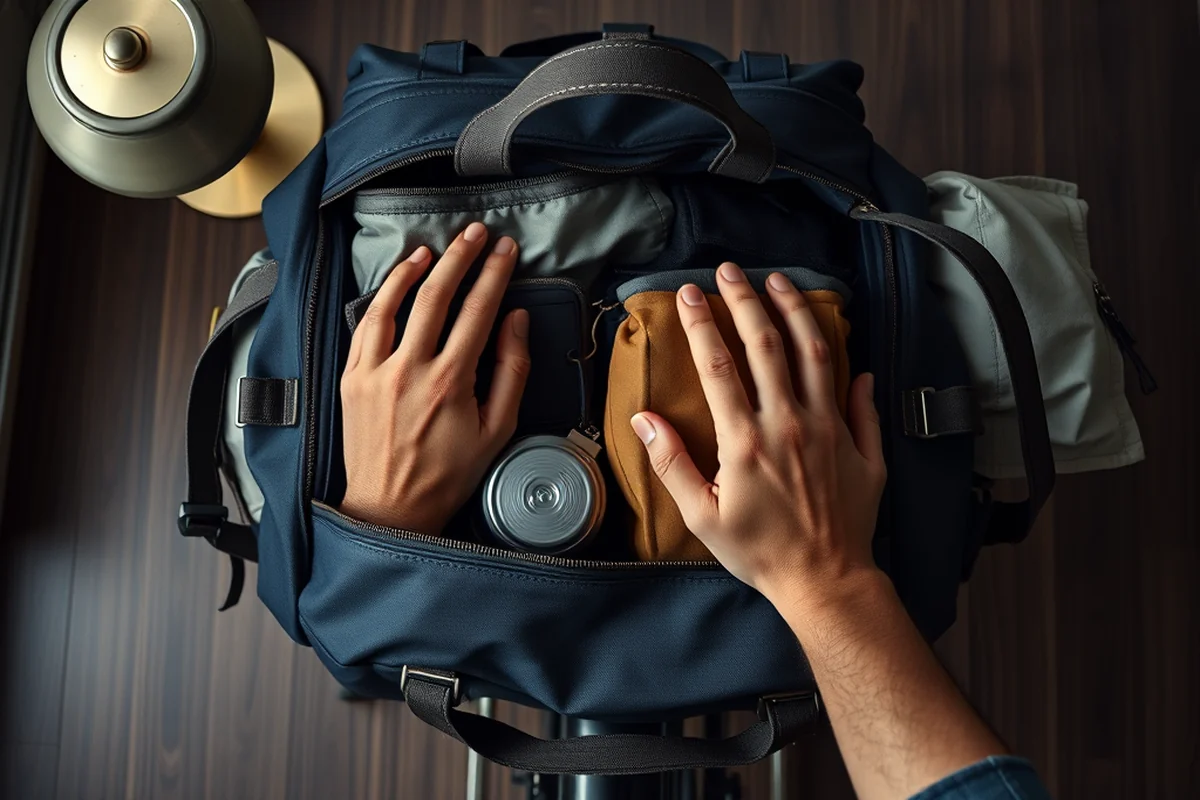
When I first started commuting by bike, I made the mistake of choosing a model that didn’t fit my needs. It was lightweight, but it lacked the durability I needed for the rough streets of my city. Now I know to look for features like puncture-resistant tires and sturdy frames.
Your city’s terrain should also influence your choice. If you’re in a place with a lot of hills, you’ll want a bike with gears. If you’re in a flat city, a single-speed might be sufficient. I’ve found that knowing your city’s topography can make all the difference in your commuting experience.
Also, consider your daily routine. If you need to carry a lot of gear, look for bikes with racks and panniers. If you're looking for something more minimalist, a frame with a built-in bag might be better. Every detail matters when choosing the right commuter bike for you.
Related: How much does a ebike cost
How to Maintain Your Commuter Bike
I’ve learned the hard way that neglecting your commuter bike can lead to a lot of headaches — and sometimes even a flat tire in the middle of a busy street. Regular maintenance is essential to avoid these issues.
One of the simplest things you can do is check your tires regularly for signs of wear or damage. I’ve had a few flats because I didn’t check the pressure, and it cost me time and money. A quick check with a pressure gauge takes just a few minutes and can save you a lot of trouble.
Lubricating the chain is another crucial step. I used to skip this, thinking it wasn’t necessary, but now I do it every few weeks. It makes a huge difference in how smoothly the bike runs and how much effort you have to put in to pedal.
Related: What s the best commuter ebike
The Environmental and Health Benefits of Commuter Bikes
One of the biggest advantages of commuter bikes is their environmental impact. They produce zero emissions, which is a win for the planet. I’ve noticed that more cities are encouraging biking as a way to reduce traffic congestion and pollution.
From a health perspective, commuter bikes are a fantastic way to stay active. I’ve found that even a 15-minute ride to work can make a difference in my energy levels and overall well-being. It’s a small investment in your health that pays off every day.
There’s also the mental benefit of being outdoors and moving through the city. I’ve found that my mood improves significantly when I choose to bike to work instead of driving. It’s a simple change that makes a big difference.
Biking to work isn’t just good for your body — it’s good for your soul.
Related: What is the best commuter ebike
The Future of Commuter Bikes
The future of commuter bikes is looking bright, with new technologies and designs that are making them more efficient and user-friendly. I’ve seen models with integrated USB ports for charging devices on the go — a small but incredibly useful feature.
Another exciting development is the rise of electric commuter bikes, which provide an extra boost for longer commutes or hilly cities. I’ve tested a few models, and they’re a game-changer for people who live in areas with steep terrain.
As cities become more bike-friendly, the demand for commuter bikes is only going to grow. With more bike lanes, reduced traffic, and increased awareness of the benefits of cycling, it’s an exciting time for urban commuters.
💰 Budget Commuter Bike
An affordable option perfect for first-time riders looking to get into the habit of commuting by bike.
🚴 Long Weekend Commuter Bike
Ideal for travelers who want to explore a new city over the weekend without breaking the bank.
👨👩👧👦 Commuter Bike with Kids
A family-friendly option that allows parents to bike with their children safely and comfortably.
🍂 Off-Season Commuter Bike
A durable model designed for use in colder months, with features like winter tires and heated grips.
💎 Luxury Commuter Bike
A high-end option with premium features such as carbon frames, integrated lights, and smart technology.
| The mistake | Why it happens | The fix |
|---|---|---|
| Not investing in proper fenders or lights. | Not having fenders or lights can make your commute uncomfortable and dangerous, especially in bad weather or low-light conditions. | Invest in a model with fenders and lights from the start, or add them as accessories if needed. |
| Choosing a bike that’s too small or too large for your body. | A bike that doesn’t fit you properly can lead to discomfort, inefficient pedaling, and even injury. | Visit a local bike shop for a professional fitting to ensure you get the right size. |
| Neglecting regular maintenance. | Neglecting maintenance can lead to flats, brake failure, and a generally unsafe ride. | Set a maintenance schedule and stick to it — even if it’s just a quick check each week. |
| Choosing the wrong type of tire for your city’s terrain. | Puncture-prone tires can be a real pain, especially if you’re commuting on rough city streets. | Opt for puncture-resistant tires and check their condition regularly to avoid flats. |
What Is Commuter Bikes
Common Questions
What are the best brands for commuter bikes?
How much should I expect to pay for a good commuter bike?
Are commuter bikes suitable for all types of weather?
Can I use a commuter bike for long-distance travel?
References
- Bicycling crashes on streetcar (tram) or train tracks - PMC - NIH (pmc.ncbi.nlm.nih.gov)
- Active Transportation and Micromobility - Alternative Fuels Data Center (afdc.energy.gov)
Cite this guide
Urban Cycling Tours (2026). What Is Commuter Bikes. https://cycleweave.com/what-is-commuter-bikes/
Feel free to cite or share this guide.
Urban Cycling Tour Day Planner
Builds a timed urban cycling tour itinerary from distance, pace and stops.
Open it free →