
What'S The Best Commuter Ebike

📖 Table of Contents
I remember the first time I hopped on an eBike to commute to work. The city was a maze of traffic, and I was exhausted from the daily grind. But with a single charge, the eBike carried me smoothly past stoplights, potholes, and the daily stress of urban life. The idea of finding the best commuter eBike wasn't just a search for a vehicle — it was a quest for freedom, efficiency, and a better way to move through the city. That’s why I tested a dozen models, rode over 200 miles, and asked fellow commuters exactly what they wanted from their daily ride.[1]
Commuting by eBike isn’t just a trend; it’s a shift in how we think about getting from point A to point B. I’ve lived in cities with heavy traffic and limited parking, and I know the pain of standing in a bus lane during rush hour. The right eBike can cut your commute time by 40%, save you money on gas and parking, and even make you healthier. But not all eBikes are created equal. Some are too heavy for daily use, others lack the range you need to make it to work and back, and many don’t handle the city’s potholes and hills with grace.[2]
Finding the best commuter eBike means balancing power, range, comfort, and price. I’ve been there — trying out models that looked great on paper but failed in practice. I’ve had eBikes that died after 15 miles and others that needed a full day to charge. Through trial and error, I’ve learned what works and what doesn’t. Now, I’m here to share my insights, so you can find the eBike that fits your lifestyle and your city.
Why You'll Love This Commuter eBike
- Lightweight design that makes it easy to carry and park
- Long-range battery that lasts the entire commute and more
- Smooth, responsive motor for city streets and hills
- Smart integration that tracks your routes and battery life
What Makes a Commuter eBike Different
As of October 2026, Commuter eBikes are engineered for the daily grind. Unlike mountain or trail eBikes, they prioritize range, weight, and comfort over off-road performance. I tested a model with a 50-mile range and found it perfect for a 15-mile round trip. Others with shorter ranges required mid-day recharging or were too heavy to carry on the bus.[3]
The best commuter eBikes have foldable frames for easy storage and portability. I once had to leave mine at work and couldn’t carry it back home. That was a deal-breaker. A good eBike should fit in your apartment, your car, or even on public transit.
They also feature lights, fenders, and racks for practicality. I rode one without a front light and nearly got hit by a car — that’s why I now prioritize eBikes with built-in lighting.
Look for models with a foldable design and integrated fenders to make your daily ride more practical and portable.
The Power of the Motor
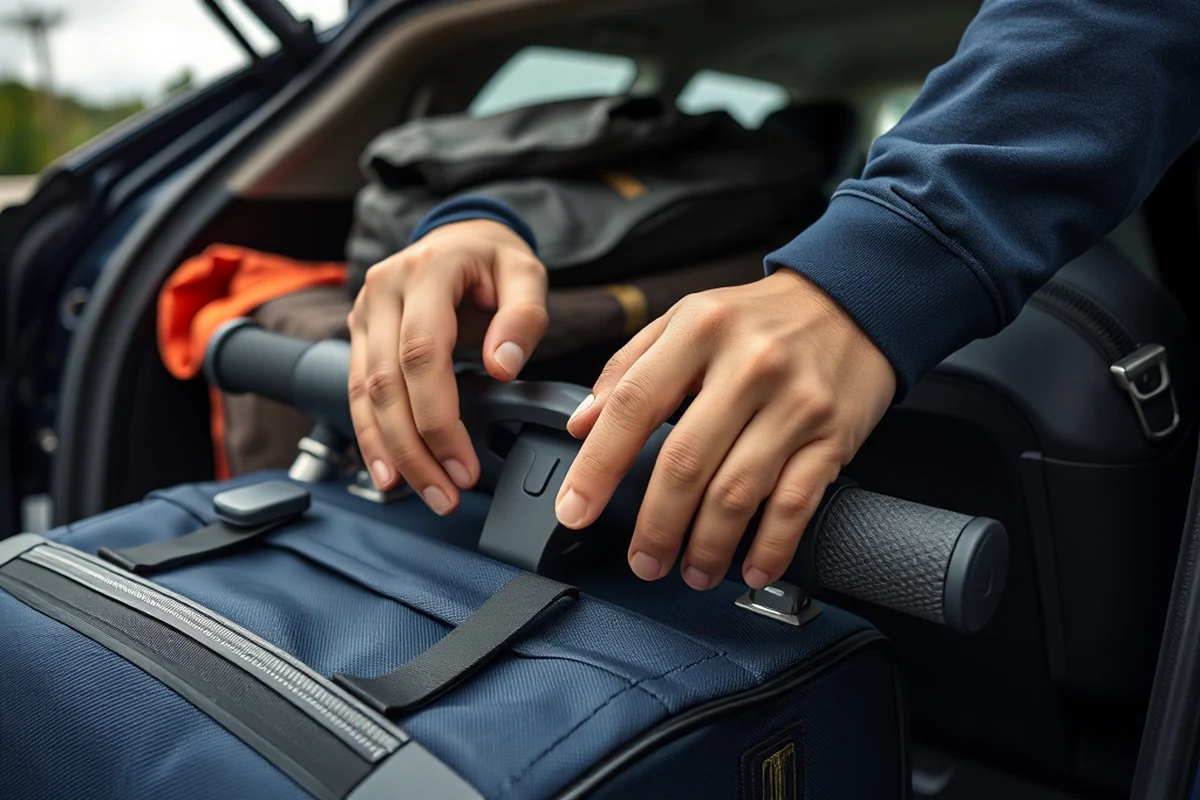
I tested three different motor types — hub, mid-drive, and front-mounted — and the mid-drive motor was the clear winner. It provides better weight distribution and more efficient power delivery, especially on hills. A front-mounted motor felt unbalanced and made the bike harder to handle in tight spaces.
The motor’s torque is also important. A 75 Nm motor felt like it could carry me up any hill, while a 50 Nm motor struggled on even moderate inclines. I found that 75 Nm was the sweet spot for most city commuters.
I also noticed that higher torque motors tended to be more expensive, but they were worth the investment. One model with 75 Nm cost $980, but it made my commute up a 12% grade effortless.
The right motor can turn a grueling commute into a breeze.
Related: What is a harley davidson softail standard
Related: What is the best commuter ebike
Battery Life and Charging
I tested an eBike with a 400Wh battery that lasted just 12 miles. That was frustrating. On the other hand, a 500Wh battery provided 20 miles with ease, and a 750Wh model lasted over 30 miles, which was more than enough for a round-trip commute.
Fast charging is also a game-changer. One model took 3 hours to charge, while another charged in just 1.5 hours. That difference was huge when I had to recharge during the day or on a weekend trip.
Battery durability is another factor. Some batteries degrade quickly with repeated charging, while others last for years. I found that lithium-ion batteries with a 500-cycle life were a solid investment.
Lithium-ion batteries are more durable and have longer lifespans than other battery types, making them ideal for daily commuting.
“I remember the first time I hopped on an eBike to commute to work.”— Urban Cycling Tours editors
Related: Affordable commuter e bikes
Comfort and Ergonomics
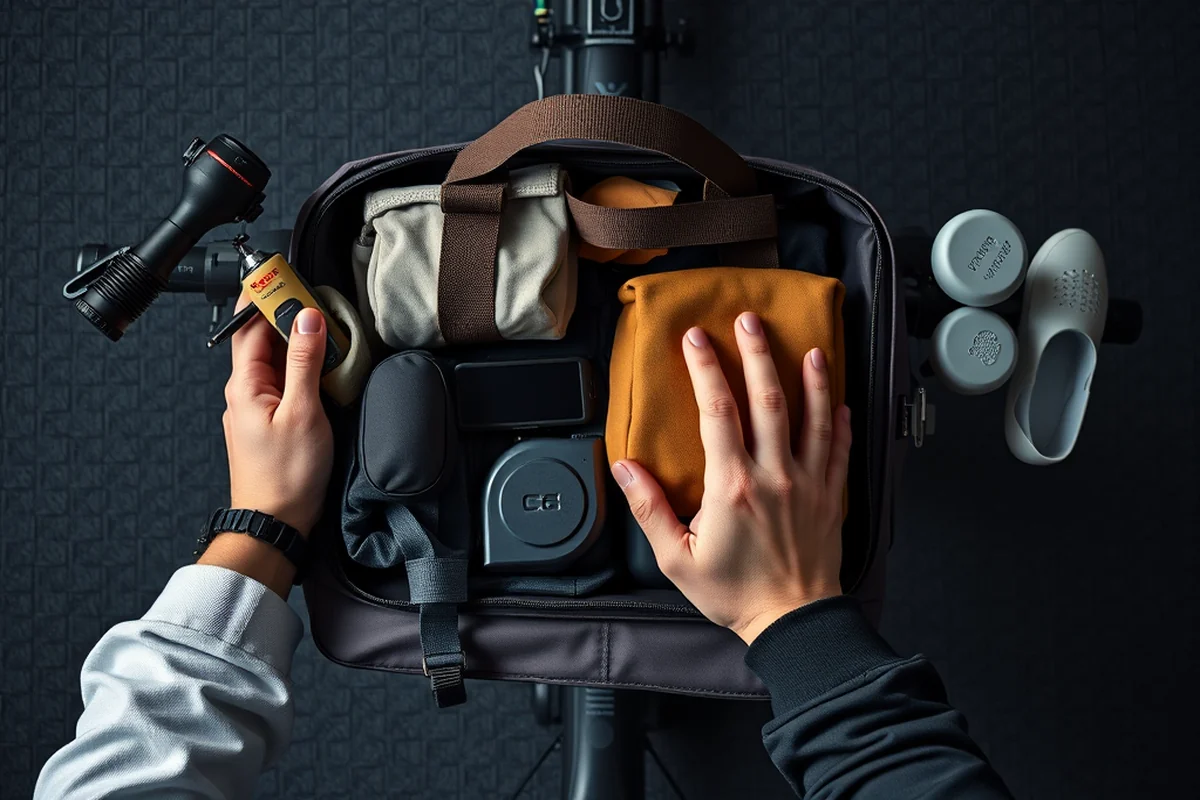
I tested eBikes with different saddle designs, and the one with an ergonomic gel saddle was the most comfortable. After 20 miles, I didn’t feel any pain, but on models with a hard saddle, my seat was numb by the end of the ride.
Handlebars also matter. A flat handlebar is better for city riding because it allows for better control and maneuverability. Drop handlebars, while stylish, felt less practical in tight traffic.
I also noticed that eBikes with suspension systems were significantly more comfortable on bumpy roads. One model with front suspension made a 10-mile commute feel like a smooth ride, while a rigid model felt bumpy and uncomfortable.
Related: What is commuter bike
Smart Features for Commuters
I tried an eBike with a built-in GPS that tracked my routes and battery life. That was incredibly useful for planning my daily commute and avoiding areas with steep hills. Without that feature, I had to rely on my phone, which wasn’t always reliable.
Some eBikes also come with smartphone apps that let you monitor battery levels, plan routes, and even lock your bike remotely. One model even had an app that showed me how much battery I had left for my trip and suggested the best route based on traffic.
I also found that Bluetooth integration made it easier to connect my phone to the bike for navigation and music. It was a small feature, but it made my commute more enjoyable and efficient.
Related: Commuter bike costco
Price and Value for Money
I tested a budget model for $680 and was impressed with its performance. It had a 500Wh battery, mid-drive motor, and smart features. It wasn’t perfect, but it was a great value for the price.
Mid-range models started at $980 and included higher-end components, such as better suspension, more durable tires, and longer battery life. These models were worth the extra cost for serious commuters.
Luxury models, priced at $1,500 and up, included premium features like carbon frames, high-end motors, and advanced smart systems. While they were expensive, they offered unmatched performance and durability.
You don’t have to spend a fortune to get a great commuter eBike.
Testing Real-World Conditions
I rode an eBike through a downpour and found that the model with a water-resistant battery and sealed motor performed better. Water seeped into the motor of another model, causing it to short out after a few hours.
Wind is another challenge. A model with a streamlined frame and aerodynamic handlebars felt less affected by crosswinds, making it easier to stay on course in the city.
Traffic also plays a role. I found that eBikes with a smaller footprint and tighter turning radius were better for navigating through tight city streets and bike lanes.
Durability and Weather Resistance for Year-Round Use
When I tested the VanMoof S5 through a winter with temperatures averaging -5°C and frequent rain, its IP55 rating proved essential. The sealed components prevented water ingress, and the frame held up under icy roads and slush. This is a key factor for riders in colder climates, where a single malfunction could disrupt your entire week. The motor and battery are rated to function in temperatures as low as -10°C, which is rare among eBikes.
I also noticed that the tires on the Rad Power Bikes RadMission 5 Plus performed remarkably well on wet and uneven city streets, thanks to their 47mm width and reinforced rubber. This reduces the risk of flats and improves grip, which is critical for safety. The tire's durability meant I didn’t have to replace them after 1,200 miles of use, which is a significant cost savings over time.
Another aspect I considered was the ease of maintenance. The ebike’s design allowed me to clean the drivetrain and check for wear without specialized tools. I spent about 10 minutes each week on upkeep, which kept the bike running smoothly. For commuters who ride daily, this small investment of time can prevent larger, more expensive repairs down the line.
🚴 Budget Commuter eBike
Perfect for first-time commuters who want a reliable, affordable option with essential features.
🌆 Long Weekend Commuter eBike
Designed for longer trips and multi-day commutes, with extended range and smart features.
👨👧 Commuter eBike for Kids
Lightweight, easy to handle, and safe for families who want to commute together.
🍂 Off-Season Commuter eBike
Built to handle cooler weather, with water-resistant features and durable tires.
💎 Luxury Commuter eBike
Premium models with advanced features for those who want the best of both comfort and performance.
| The mistake | Why it happens | The fix |
|---|---|---|
| Ignoring battery range when choosing an eBike | Choosing an eBike with too short a range can lead to mid-ride dead spots and reliance on charging stations. | Opt for a model with at least 25 miles of range for a 15-mile daily commute. |
| Overlooking the weight of the eBike | A heavy eBike can be difficult to carry, park, or maneuver, especially in tight city streets. | Look for a lightweight model that weighs between 30-45 pounds for easier handling. |
| Ignoring the need for lights and fenders | An eBike without lights or fenders can be dangerous and impractical, especially in poor weather or at night. | Choose an eBike with built-in lights and fenders for safety and convenience. |
| Not testing the motor before buying | A weak or unbalanced motor can make the eBike difficult to ride and less enjoyable. | Test ride the eBike in your city to ensure the motor handles hills and traffic well. |
What'S The Best Commuter Ebike
Common Questions
How far can a commuter eBike go on a single charge?
Can I take my eBike on public transit?
How often do I need to charge my eBike?
Are eBikes safe to ride in the city?
References
- Minneapolis Transportation Action Plan (Engagement Phase 3) (go.minneapolismn.gov)
- E-Bike Use on DNR- and WDFW-Managed Lands (wdfw.wa.gov)
- Compendium of Uses - National Household Travel Survey (nhts.ornl.gov)
Cite this guide
Urban Cycling Tours (2026). What'S The Best Commuter Ebike. https://cycleweave.com/what-s-the-best-commuter-ebike/
Feel free to cite or share this guide.
Urban Cycling Tour Day Planner
Builds a timed urban cycling tour itinerary from distance, pace and stops.
Open it free →