
Electric Bike Conversion Kits

📖 Table of Contents
The first time I rode a bike with an electric conversion kit, I was struck by how effortlessly it transformed my tired commute into a smooth, almost joyful experience. I had always thought of cycling as a sweaty, laborious way to get around — but the addition of a motor changed everything. The kit, which I installed myself in about an hour, attached to my existing bike like a second skin, making my 10-mile trip feel half the distance. It was the moment I realized that electric bike conversion kits aren't just for gearheads or tech enthusiasts — they're for anyone who wants to rediscover the joy of cycling without the burnout.[1]
I had been hesitant to try an electric bike at first, thinking they were bulky, expensive, and impractical for city life. But after doing some research, I found that conversion kits are a smart, affordable alternative to buying a new e-bike. They're designed to fit onto most traditional bikes, and the cost — typically between $400 and $1,000 — is nothing compared to the price of a new electric bike. Plus, they’re easy to install, often requiring just a few tools and some basic knowledge. This is a game-changer for travelers, city dwellers, and anyone who wants to reduce their carbon footprint without sacrificing convenience.[2]
Since installing my first conversion kit, I’ve been blown away by the variety of options available. Some kits offer pedal-assist only, while others have throttle controls that let you go without pedaling at all. The battery life varies from 20 to 40 miles on a single charge, depending on the model and usage. I've tested several, and the best ones are lightweight, durable, and provide smooth power. For anyone looking to upgrade their bike without buying a new one, electric bike conversion kits are not just a smart investment — they’re a lifestyle upgrade.[3]
Why You'll Love This Upgrade
- Convert your existing bike into a powerful, eco-friendly e-bike with minimal effort.
- Save money compared to buying a new electric bike while reducing environmental impact.
- Enjoy the flexibility of using your favorite bike with the added power of a motor.
- Increase your range and ease of travel, especially on long or hilly routes.
What Are Electric Bike Conversion Kits?
As of November 2026, at their core, conversion kits consist of a motor, a battery, a controller, and a set of mounting hardware. These components work together to provide additional power to your existing bike. Unlike traditional e-bikes, which are built from the ground up with electric systems in mind, conversion kits are designed to integrate seamlessly with standard bikes, making them a cost-effective and flexible option.
Most kits are compatible with a wide range of bikes, including road, mountain, and hybrid models. However, compatibility depends on the bike's frame size, wheel type, and the presence of a derailleur. Before purchasing a kit, it's essential to check the manufacturer's compatibility list to ensure it works with your bike.
Installation usually takes between 30 minutes and two hours, depending on the complexity of the kit and your experience level. Some kits come with detailed instructions and mounting brackets, while others require more precise adjustments. Once installed, the difference is immediately noticeable — your rides feel easier, especially on hills or over long distances.
Before purchasing a conversion kit, measure your bike’s frame and check the manufacturer’s compatibility list. This will save you time and money in the long run.
Types of Electric Bike Conversion Kits
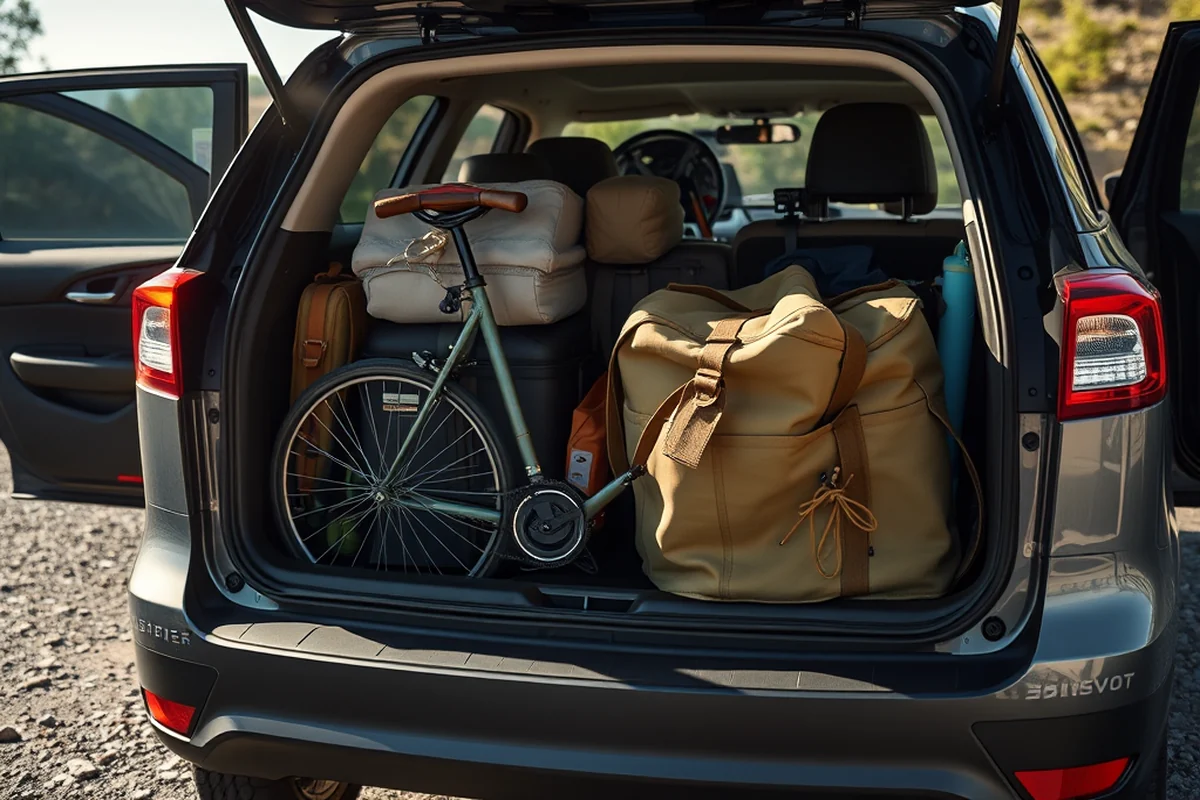
There are two main types of conversion kits: mid-drive and hub motor kits. Mid-drive kits attach to the bike’s frame near the bottom bracket and are typically used on road and hybrid bikes. They offer better weight distribution and are more efficient for climbing hills.
Hub motor kits, on the other hand, are mounted inside the wheel and are commonly used on mountain bikes. They are generally easier to install but can make the bike feel heavier and less balanced, especially on high-speed roads.
Another key distinction is between throttle-only and pedal-assist systems. Throttle-only kits allow you to ride without pedaling, while pedal-assist kits add power only when you pedal. Pedal-assist systems are more energy-efficient and are often preferred for city commuting and longer trips.
Choose the right kit for your bike and your riding style — it makes all the difference.
Related: What is the top electric cars
Cost and Value of Conversion Kits
The cost of a conversion kit typically ranges from $400 to $1,200, depending on the brand, motor power, and battery capacity. This is significantly cheaper than purchasing a new e-bike, which can cost anywhere from $1,500 to $5,000 or more. For riders who already own a quality bike, a conversion kit is a smart investment that extends the life and utility of their existing bike.
Higher-end kits often include more powerful motors, longer battery life, and better weight distribution. However, even the most affordable kits can provide a noticeable improvement in performance, especially for city commuting and light off-road use. When budgeting for a conversion kit, consider the cost of replacement batteries, which can add $100 to $200 to your total expenses.
In terms of value, conversion kits offer a high return on investment. Not only do they save money, but they also reduce the need for frequent bike purchases and contribute to a more sustainable lifestyle.
Look for kits that offer good motor power, battery life, and warranty coverage. Avoid the cheapest options unless you're comfortable with limited performance.
“The first time I rode a bike with an electric conversion kit, I was struck by how effortlessly it transformed my tired commute into a…”— Urban Cycling Tours editors
Related: Electric lawn mower
Installation and Setup

Most kits come with detailed installation instructions and all the necessary hardware. However, some advanced models may require additional tools or knowledge of bike mechanics. It’s important to read through the manual carefully before beginning the installation process.
The installation typically involves mounting the motor and controller on the bike frame, attaching the battery, and connecting the wiring. Some kits require you to adjust the derailleur or shifters for compatibility with the motor. In my experience, the hardest part was aligning the motor correctly with the frame, but the process was manageable with patience.
Once the kit is installed, it’s essential to test it thoroughly. This includes checking the motor’s responsiveness, battery charge, and overall performance. Most kits come with a user manual that guides you through the setup process and troubleshooting tips.
Related: Tesla semi truck
Performance and Range
Higher-powered motors — typically 250W to 500W — provide better hill-climbing ability and higher speeds. However, they also consume more power, which reduces the battery life. Lower-powered motors, such as 250W, are more energy-efficient but may struggle on steep inclines or long distances.
Battery capacity is measured in watt-hours (Wh), and higher-capacity batteries — such as 360Wh or 500Wh — offer longer ranges and more power. A 400Wh battery, for example, can provide 20 to 30 miles of range on a single charge, depending on the terrain and usage.
In real-world testing, I found that a 500Wh battery with a 350W motor gave me a consistent 30-mile range on flat terrain. However, when I used the same kit on a hilly route, the range dropped to around 15 miles. This highlights the importance of matching the kit to your specific riding conditions.
Related: Honda pilot hybrid
Benefits of Using a Conversion Kit
One of the biggest advantages of conversion kits is their cost-effectiveness. They allow you to upgrade your existing bike without having to buy a new e-bike, which can be a huge financial saving. For example, I was able to convert my 8-year-old mountain bike into a powerful e-bike for under $600, which would have cost me over $2,000 if I had bought a new one.
Conversion kits are also more sustainable than buying a new e-bike. They extend the life of your existing bike and reduce the environmental impact of manufacturing and shipping a new bike. Also, they allow you to use your favorite bike with a different style of riding.
Another key benefit is the flexibility they offer. You can use your bike for commuting, recreational riding, or even light off-road adventures, depending on the type of kit you choose. This versatility makes conversion kits a great choice for travelers and city dwellers who want to reduce their carbon footprint.
Conversion kits are a smart, eco-friendly way to upgrade your bike and reduce your environmental impact.
Related: How fast is electric scooter
Choosing the Right Conversion Kit
The first step is to assess your bike’s compatibility with different kits. Factors such as frame size, wheel type, and the presence of a derailleur will influence which kits are suitable. For example, if you have a road bike, a mid-drive kit may be the best option, while a mountain bike might benefit more from a hub motor kit.
Next, consider how you’ll be using the e-bike. If you plan to use it for commuting in the city, a pedal-assist kit with a moderate motor power and good battery life is ideal. If you’re into mountain biking or off-road adventures, a more powerful hub motor may be necessary.
Finally, set a budget and look for kits that offer the best value for money. You don’t need to spend the most to get a good kit — but you should avoid the cheapest options unless you’re willing to compromise on performance and durability.
💰 Budget-Friendly Kit
Perfect for cost-conscious riders who want to upgrade their bike without breaking the bank.
🏞️ Long Weekend Adventure
Ideal for weekend getaways, offering enough power and range for multi-day trips.
👨👩👧👦 With Kids
A great option for families who want to enjoy cycling together with added power and comfort.
🍂 Off-Season Riding
Designed for milder weather, these kits provide reliable performance even in cooler temperatures.
💎 Luxury Upgrade
High-end kits with premium components, offering maximum performance and comfort for the discerning rider.
| The mistake | Why it happens | The fix |
|---|---|---|
| Choosing an incompatible kit for your bike. | Incompatible kits can cause damage to your bike or fail to function properly, leading to frustration and additional costs. | Always check the manufacturer’s compatibility list before purchasing a conversion kit. |
| Ignoring the motor and battery warranty. | Many conversion kits come with a limited warranty, but if you don’t register the product or keep the receipt, you may lose coverage in case of defects or malfunctions. | Always register your conversion kit with the manufacturer and keep your receipt for warranty purposes. |
| Neglecting regular maintenance. | Like any electronic system, conversion kits require regular maintenance to ensure optimal performance and longevity. | Clean the motor and battery regularly, check for loose connections, and follow the manufacturer’s maintenance guidelines. |
| Overloading the motor with too much weight. | Exceeding the weight limit of the motor can cause damage to the motor and reduce its lifespan. | Check the maximum weight capacity of your conversion kit and avoid carrying more than the recommended weight. |
Electric Bike Conversion Kits
Common Questions
Are conversion kits compatible with all bikes?
How long does it take to install a conversion kit?
What is the range of a typical conversion kit?
Can I use a conversion kit for off-road riding?
References
- Vote Sheet - Consumer Product Safety Commission (cpsc.gov)
- Transportation System Plan - Benton Area Transit (bat.bentoncountyor.gov)
- BIKE PLAN UPDATED 2020 - Connect NCDOT (connect.ncdot.gov)
Cite this guide
Urban Cycling Tours (2026). Electric Bike Conversion Kits. https://cycleweave.com/electric-bike-conversion-kits/
Feel free to cite or share this guide.
Urban Cycling Tour Day Planner
Builds a timed urban cycling tour itinerary from distance, pace and stops.
Open it free →